


Highlights
Clean and Dirty Lockers: Separating Workwear the Right Way

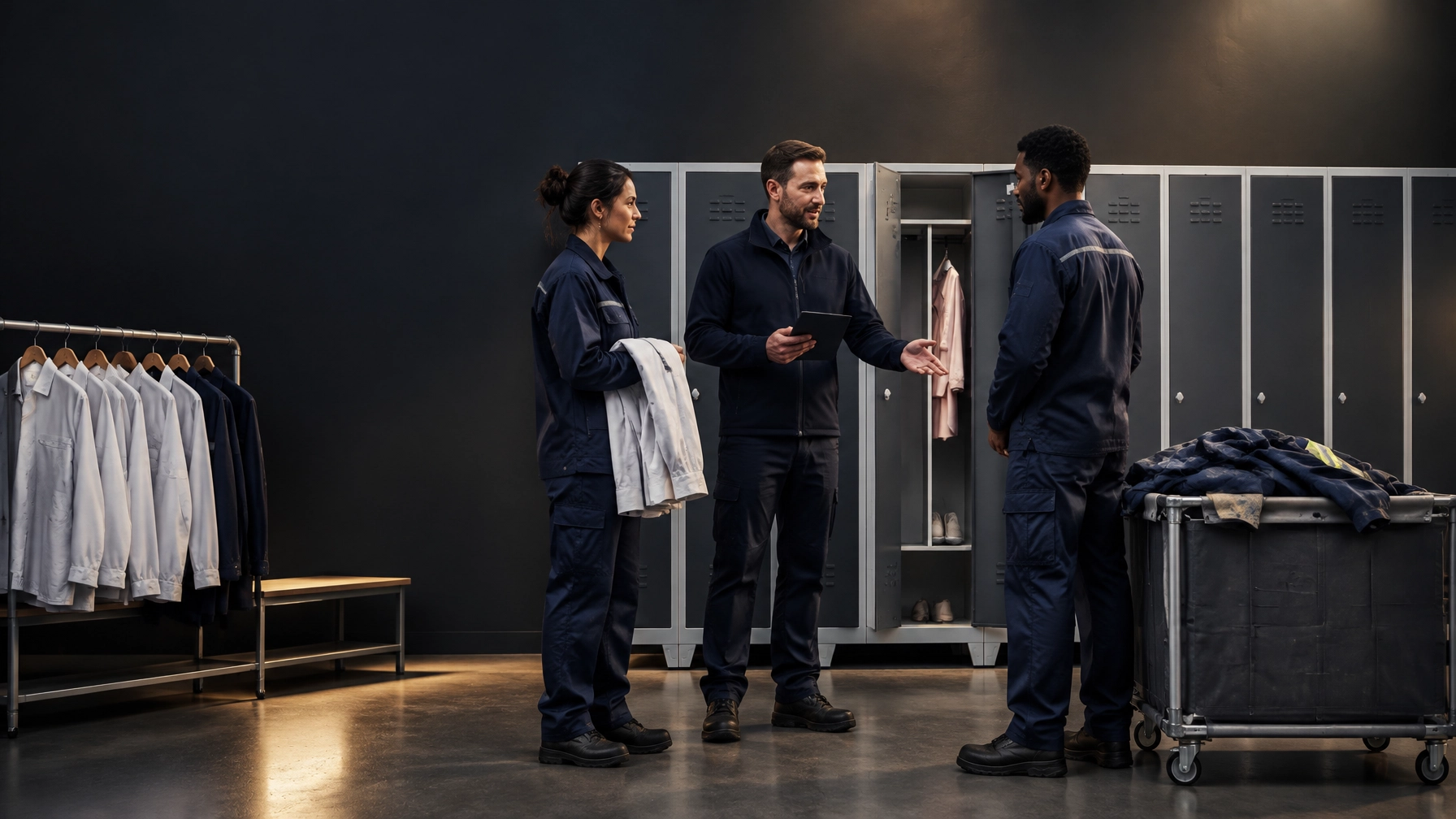
When staff change for work, clean and dirty lockers help keep fresh workwear separate from garments worn during a shift. The right arrangement gives employees a clear place for each item and helps your team maintain an orderly changing area.
| Workplace need | Practical storage approach | Buyer check |
|---|---|---|
| Fresh uniforms and workwear | A designated clean compartment or storage area | Can clean garments stay separate from used items? |
| Worn clothing awaiting collection | A separate compartment or clearly defined return point | Is the collection and laundry routine clear to staff? |
| Personal belongings | Assigned staff lockers | Can employees access their belongings securely? |
| Protective equipment | Storage suited to the equipment and its care instructions | Is used equipment handled separately from ready-to-use items? |
How Clean and Dirty Lockers Support Workwear Separation
A clean/dirty storage system is built around a simple routine: store clean clothing in its designated area, return worn garments to a separate area, and make the distinction clear to employees. A divided locker supports that separation within a shared unit.
This setup can be useful in factories, workshops, construction workplaces, healthcare facilities and other staff changing areas. The exact arrangement depends on the clothing, equipment and workplace process. HSE guidance does not prescribe one locker format for every site. It advises that contaminated protective equipment be kept separate from everyday clothing in construction changing areas. Check the HSE guidance on construction changing areas and lockers alongside the guidance and requirements that apply to your workplace.
Make the routine easy to follow
Clear separation works best when employees know where clean garments go and where worn workwear should be returned. Use simple labels or colour cues if they help your team identify each area. Explain the routine during induction and review it when shifts, staffing or laundry arrangements change.

Keep PPE storage in the right role
A locker can support an organized process, but it does not replace the care instructions for clothing or protective equipment. HSE advises employers to ensure PPE is maintained and stored properly. Its PPE overview explains the general duties, while its PPE maintenance guidance notes that reusable equipment should be cleaned and kept in good condition.
Keep the storage routine practical: identify where used items are returned, who handles cleaning or inspection, and how items are made available again. Where a workplace also needs dedicated protective-equipment compartments, compare the PPE locker range with your workwear storage plan. The PPE storage regulations guide explains what employers must provide and how clean and used equipment should stay apart.
Choose a Configuration That Fits Your Team
Start with the people using the changing area and the items they need to store. A full-height compartment can suit garments that need to hang. A multi-door arrangement can help when several employees share a locker footprint. The useful question is not simply how many doors fit in the room, but whether each compartment fits the daily storage routine.
Loxmet’s Clean & Dirty Lockers category includes single-tier and double-tier configurations, with options that include locker benches. The range is designed with a middle divider to keep clean and dirty clothing separate. Compare individual models such as the single-tier, one-door clean and dirty locker and confirm dimensions against your room layout.
Compare workwear and uniform storage
Workwear lockers generally provide personal space for uniforms, coats or work clothing. Uniform lockers may be appropriate when employees need a secure place for issued garments between shifts. Clean and dirty configurations are a more specific choice when your process needs separate space for clean-issued clothes and worn workwear.
Consider these questions before selecting a model:
- What garments and personal items will employees store?
- Do garments need full-height hanging space?
- How many employees use the changing area at once?
- Where will used clothing go before collection or laundering?
- Will employees also need a bench or separate PPE storage?
These checks help you compare staff lockers by function, not just external size. If the changing room has limited floor space, map door openings, walkways and bench locations before confirming quantities. Loxmet also offers locker benches for changing areas where seating is part of the layout.

Plan Ordering and Delivery
Confirm the required configuration, dimensions, quantity and colour before requesting a quotation. Catalogue products in catalogue colours are generally delivered within 10 working days. Custom colours and made-to-order products typically require approximately 10 additional working days.
Loxmet manufactures metal storage solutions in Istanbul, Turkey, and offers standard catalogue products alongside custom fabrication. Single-unit orders are accepted. For a configuration or project enquiry, share your room plan and storage requirements through the contact page. You can also review ordering, delivery and warranty information in the Loxmet FAQs.
Buyer Questions
Are clean and dirty lockers required by law?
Requirements depend on the workplace and applicable rules. HSE guidance for construction says contaminated protective equipment should be kept separate from everyday clothing, but does not prescribe one universal locker design. Check the relevant guidance for your site and define a suitable storage process.
What is the difference between this configuration and a standard workwear locker?
A standard workwear locker provides personal clothing storage. The clean/dirty design has separate areas intended to keep clean garments apart from worn workwear.
Can these lockers also store personal belongings?
That depends on the selected configuration and workplace routine. Decide which items belong in each area, and avoid mixing personal belongings with used workwear if your process requires them to be separate.
Should we choose single-tier or double-tier lockers?
Choose based on garment size, user needs and available room space. Full-height storage can suit garments that need to hang; double-tier arrangements divide the unit into more compartments. Check the model dimensions and intended use before ordering.
Do lockers replace PPE cleaning and maintenance procedures?
No. Lockers provide organized storage. Employers still need suitable procedures for cleaning, maintaining and storing PPE, following relevant guidance and equipment instructions.
Can we order a custom configuration or a single unit?
Loxmet accepts single-unit orders and offers custom-made metal fabrication. Catalogue products in catalogue colours are generally delivered within 10 working days; custom colours and made-to-order products typically require approximately 10 additional working days. Contact the team with your dimensions and requirements to discuss options.
Keep Workwear Storage Clear and Practical
Choose storage around your team’s garments, changing routine and available space. Clean and dirty lockers give staff a clear separation point for fresh and worn workwear, while uniform lockers and PPE lockers can support other parts of the workplace storage plan. Compare the Clean & Dirty Lockers range and contact Loxmet when you are ready to discuss a suitable configuration.