


Highlights
Employee Locker Policy: Rules Every Employer Should Set

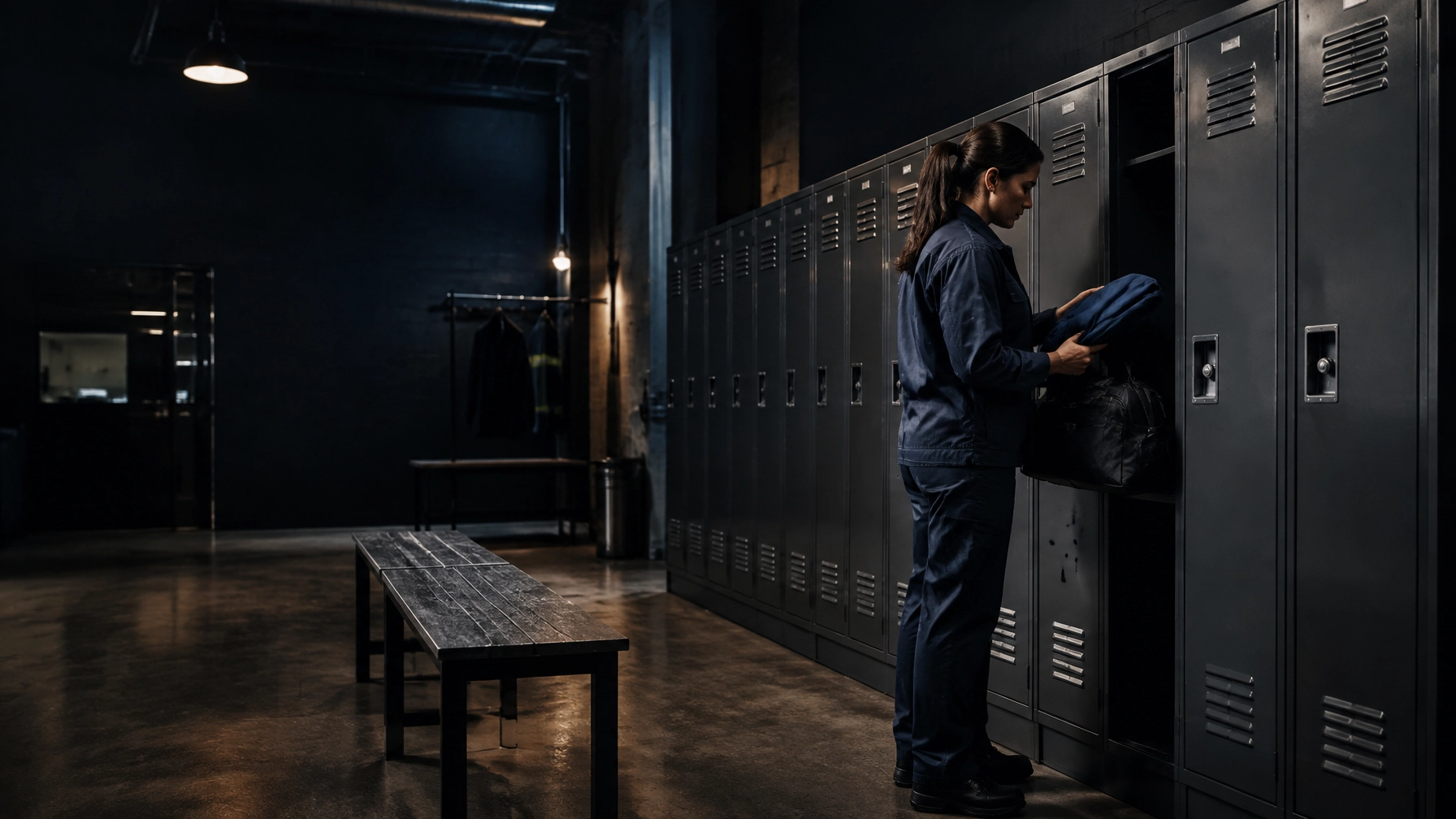
A clear employee locker policy helps prevent disputes, lost belongings, hygiene problems and confusion about access. Set practical rules for who can use each locker, what may be stored and what happens when a key is lost or a locker is left behind.
| Policy area | What to decide | Why it matters |
|---|---|---|
| Allocation | Individual or shared use; eligibility and assignment method | Gives employees clear access and supports fair use |
| Keys and locks | Key issue, spare access, lost-key reporting and replacement | Protects belongings and keeps access manageable |
| Locker contents | Permitted items, workwear, PPE and prohibited materials | Supports safe, orderly storage |
| Access and privacy | Who may open a locker, for what reasons and how access is recorded | Sets expectations while respecting privacy |
| Cleaning and maintenance | Cleaning rotation, hygiene responsibilities and damage reporting | Helps keep storage usable and safe |
| Leaving the workplace | Locker clearance deadline and handling of unclaimed items | Avoids abandoned contents and allocation disputes |
Why an Employee Locker Policy Matters
When expectations are informal, employees can disagree over who has a locker, who may access it or who is responsible for a missing item. Written locker room rules give managers and employees a shared reference. They also make routine decisions more consistent across departments and shifts.
A written employee locker policy should explain that a locker offers secure storage, not an unrestricted guarantee against loss. Employees need to know how to report a missing key, a damaged lock or a suspected security issue. Managers need a consistent process for responding.
Hygiene is another practical reason to set rules. Wet clothing, food waste or contaminated equipment can affect the changing area and nearby belongings. Clear instructions on storage, cleaning and separating items help keep employee locker rooms in good order.
Set Clear Rules for Access and Contents
Start by deciding whether lockers are assigned to named employees or shared between users. Individual assignments can suit stable teams. Shared workplace lockers can support changing shifts, temporary staff or visitor use, but require clear booking, handover and clean-out procedures.
State what employees may store. Common examples include personal items, a work uniform, clean workwear and assigned protective equipment. Define any limits for valuables, food, wet garments or items that present a safety or hygiene risk. Spell out prohibited contents in plain language and explain how employees can ask about an item they are unsure of.
Where work clothing or protective equipment may be contaminated, establish a separate storage or handling process. Employers may need dedicated uniform lockers, clean-and-dirty storage or PPE lockers to support these arrangements. Uniforms and work clothing belong in one compartment; contaminated or used garments need separate storage. Do not assume a general locker is suitable for every item or work process.

Fair Assignment, Keys and Privacy
Allocation should reflect how the workplace operates. Consider work location, role requirements, shift patterns and the number of people using the changing area at busy times. Apply the same criteria consistently, and explain how employees can request a locker or raise an allocation concern.
Decide how keys or codes are issued and managed. Employees should know who to contact when a key is lost, a lock stops working or access is needed urgently. Document who holds spare keys or authorized access credentials, and keep a record of how staff lockers are numbered and allocated. For shared lockers, explain when a locker must be cleared and how the next user can report a problem.
Access rules need careful wording. Separate routine maintenance, emergency access and abandoned-locker procedures from searches connected to suspected misconduct. Explain who can approve access, what notice will normally be given, whether the employee may attend and how the action will be recorded. Make clear that any search must have a legitimate reason and be handled in a proportionate, respectful way. Seek appropriate local advice when drafting rules for inspections, privacy or employment procedures; official employment guidance is a useful starting point for employers in the UK.
Make Hygiene and Maintenance Part of the Routine
Set a cleaning schedule for shared employee locker rooms and say what employees must do after using a shared locker. For assigned storage, ask employees to keep the inside clean, remove rubbish and avoid leaving wet or contaminated items stored inappropriately. Explain how work clothing should be kept apart from personal clothing where the job or risk assessment requires it.
Employees should report damaged doors, hinges, locks or sharp edges promptly. Provide a named contact or reporting route, and tell employees not to force a jammed door or try an unauthorized repair. A quick report helps facility teams address problems before they affect secure access or other users, and keeps workplace lockers in service for longer.

Sample Employee Locker Policy Checklist
Use this plain-language outline as a starting point for your own employee locker policy. Adapt it to your workplace, local requirements and employment procedures.
Purpose: Lockers provide secure, orderly storage for approved personal belongings, workwear and assigned equipment.
Assignment: Lockers are [assigned to individuals/shared by shift]. The allocation contact is [role or department]. Employees must use only their allocated or authorized locker.
Permitted contents: Employees may store [approved personal items, workwear and equipment]. Do not store [prohibited items], or leave food, rubbish, wet clothing or contaminated items in a way that creates a hygiene or safety problem.
Keys and locks: Keep keys or access codes secure. Report loss, damage or access problems promptly to [contact]. Only authorized staff may arrange replacement or emergency access.
Privacy and access: Routine access for maintenance, emergencies or a documented operational reason will be handled by [authorized role]. Except where urgent circumstances require immediate action, the employee will normally receive notice and an opportunity to attend. Any investigative search follows the separate workplace procedure and is documented.
Cleaning and damage: Keep the locker and surrounding area tidy. Report damage or faults to [contact] as soon as possible. Follow the workplace cleaning and workwear-handling instructions.
Leaving or changing roles: Empty the locker and return keys or access items by [specified process]. Unclaimed contents will be handled under the workplace’s published process.
Questions: Contact [manager or facilities team] for clarification or to report a concern.
Keep the document short enough to read quickly. Put the full policy in the employee handbook or staff portal, then display a brief summary near the changing area. Explain the rules during onboarding, remind employees when routines change and apply them consistently. This is more effective than relying on signs alone. The FAQ page covers common storage and delivery questions that often come up when employers plan a changing area.
Fit Locker Rules Into Workplace Welfare
Locker arrangements are part of wider workplace facilities planning. In Great Britain, HSE explains that workers need access to clothing storage and somewhere to change if special clothing is worn for work. Its workplace welfare guidance outlines these facilities. For construction sites, HSE also provides guidance on changing rooms and lockers, including keeping contaminated protective equipment separate from everyday clothing.
The Workplace (Health, Safety and Welfare) Regulations address suitable and sufficient changing facilities in relevant circumstances. Requirements depend on the workplace and jurisdiction, so check the rules that apply to your site. A policy supports day-to-day management; it does not replace the employer’s duty to provide appropriate facilities.
For layout and capacity, review locker room dimensions and locker bench planning. Choose staff lockers to suit the items employees store and the way your shifts use the room. Loxmet manufactures in Istanbul, Turkey, offering more than 100 standard products and custom metal fabrication. Catalogue products in catalogue colours are generally delivered within 10 working days; custom colours and made-to-order products typically require approximately 10 additional working days. Single-unit orders are accepted, and the 10-year warranty covers production faults. Pricing is quote-based; contact the team for product information and a quotation.
Questions Employers Ask
Should every employee have an assigned locker?
Not always. An assigned locker suits employees who need regular personal storage. Shared lockers can work for rotating shifts or short-term use when the allocation, handover and cleaning process is clear.
What should employees be allowed to keep in a locker?
Define permitted contents based on the workplace and the storage purpose. Common examples include personal belongings, work clothing and assigned equipment. State prohibited items and any separate handling rules for wet or contaminated garments.
Can an employer open an employee’s locker?
Set out limited, legitimate reasons and an approval process for access. Distinguish emergency access and maintenance from an investigative search. Explain notice, employee attendance and record-keeping arrangements, and check applicable local rules.
What should employees do if they lose a locker key?
They should report it promptly to the named manager or facilities contact. The employee locker policy should explain how identity is checked, who can authorize access and how the lock or key is secured or replaced.
How often should shared lockers be cleaned?
Set a schedule that fits actual use, alongside clear user responsibilities for leaving a locker tidy after each use. Increase attention when the room is heavily used or when workwear and equipment create specific hygiene needs.
Should locker rules be displayed in the changing room?
Display a short summary of your locker room rules, covering key actions such as keeping lockers clean and reporting damage. Keep the full policy accessible in the staff handbook or workplace portal so employees can check access, privacy and clearance procedures.
Review your employee locker policy when staffing patterns, workwear requirements or facility use changes. If you are planning new work lockers or updating an existing changing area, contact Loxmet to discuss standard and custom storage options.