
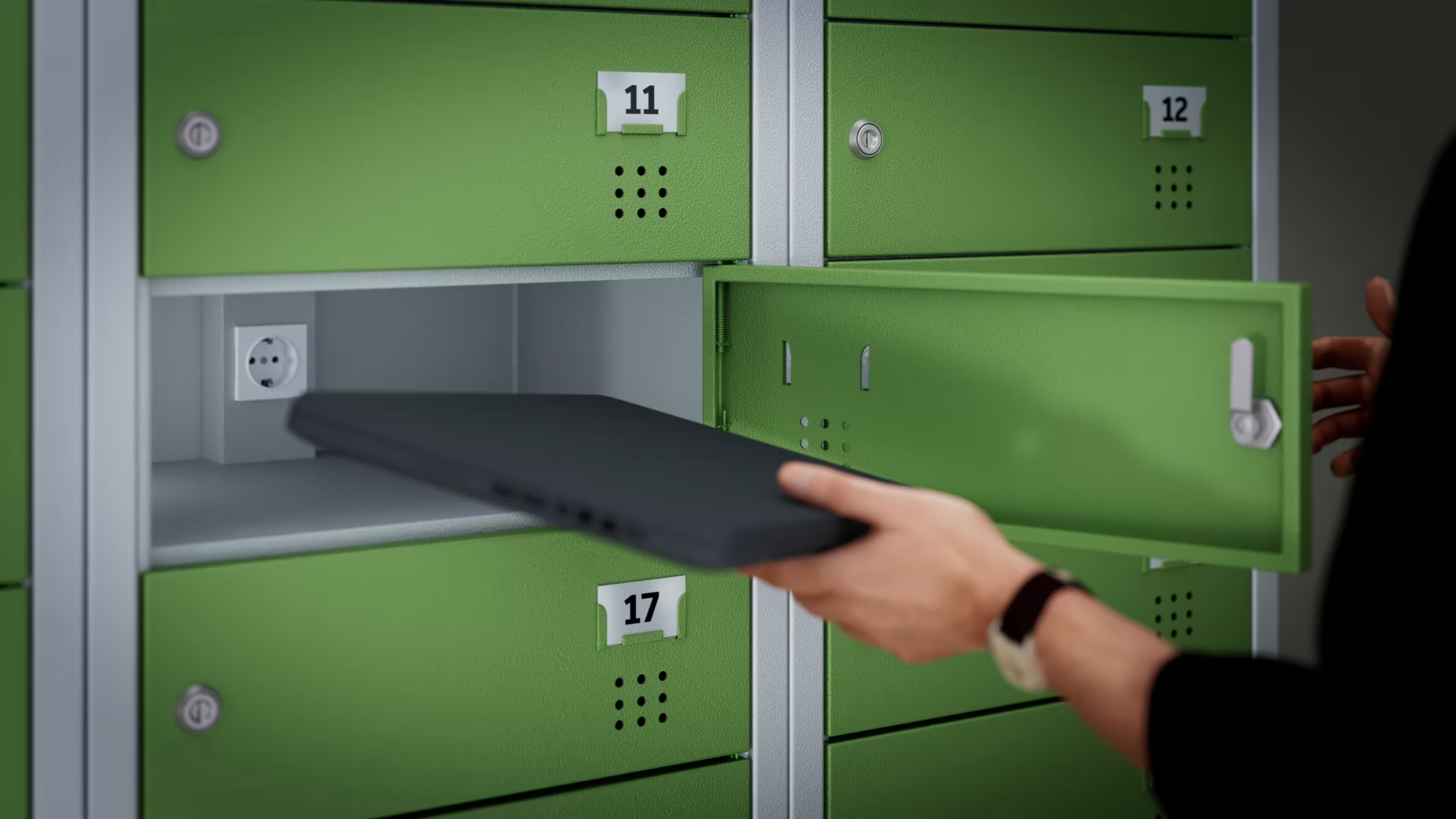
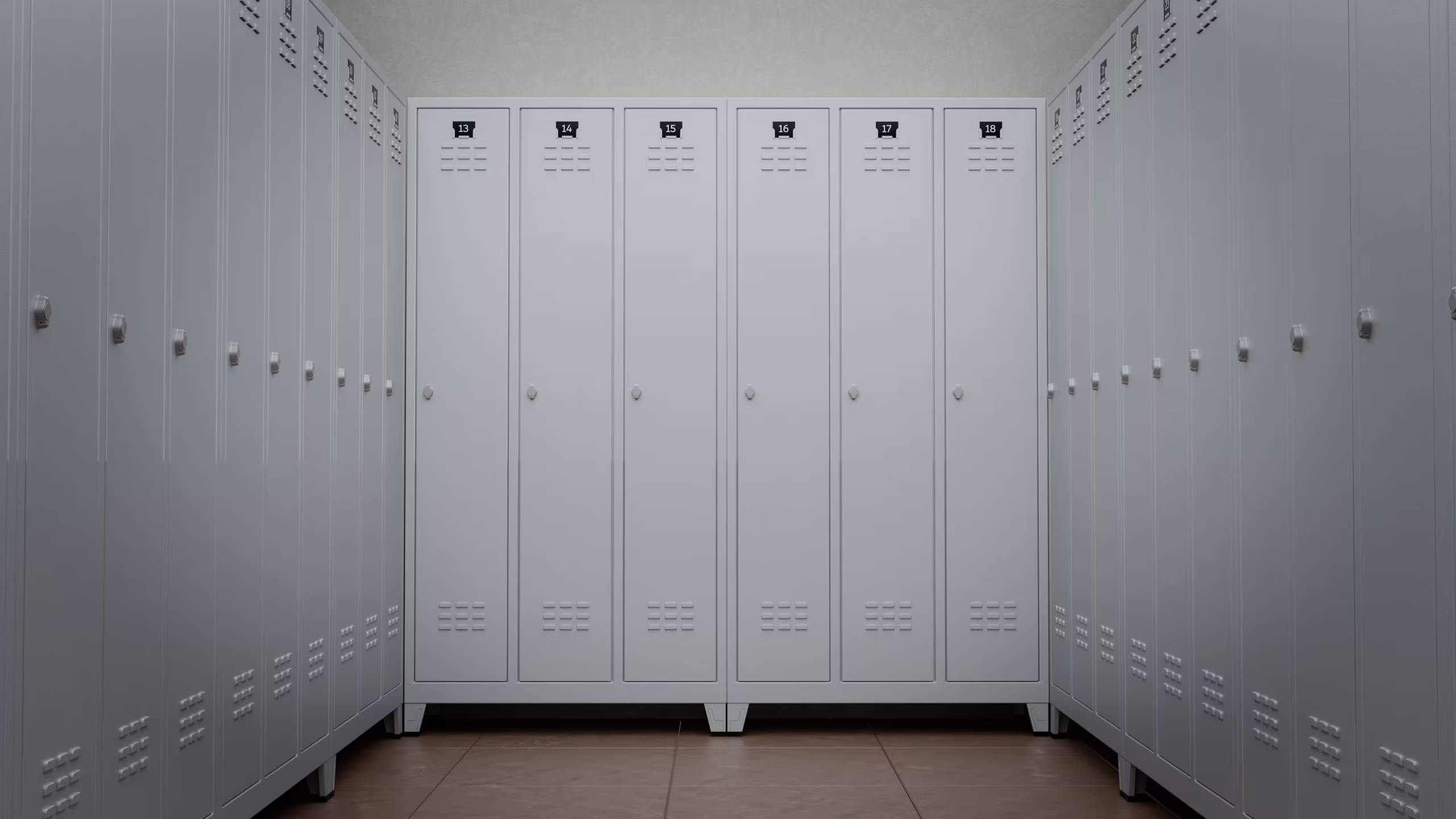
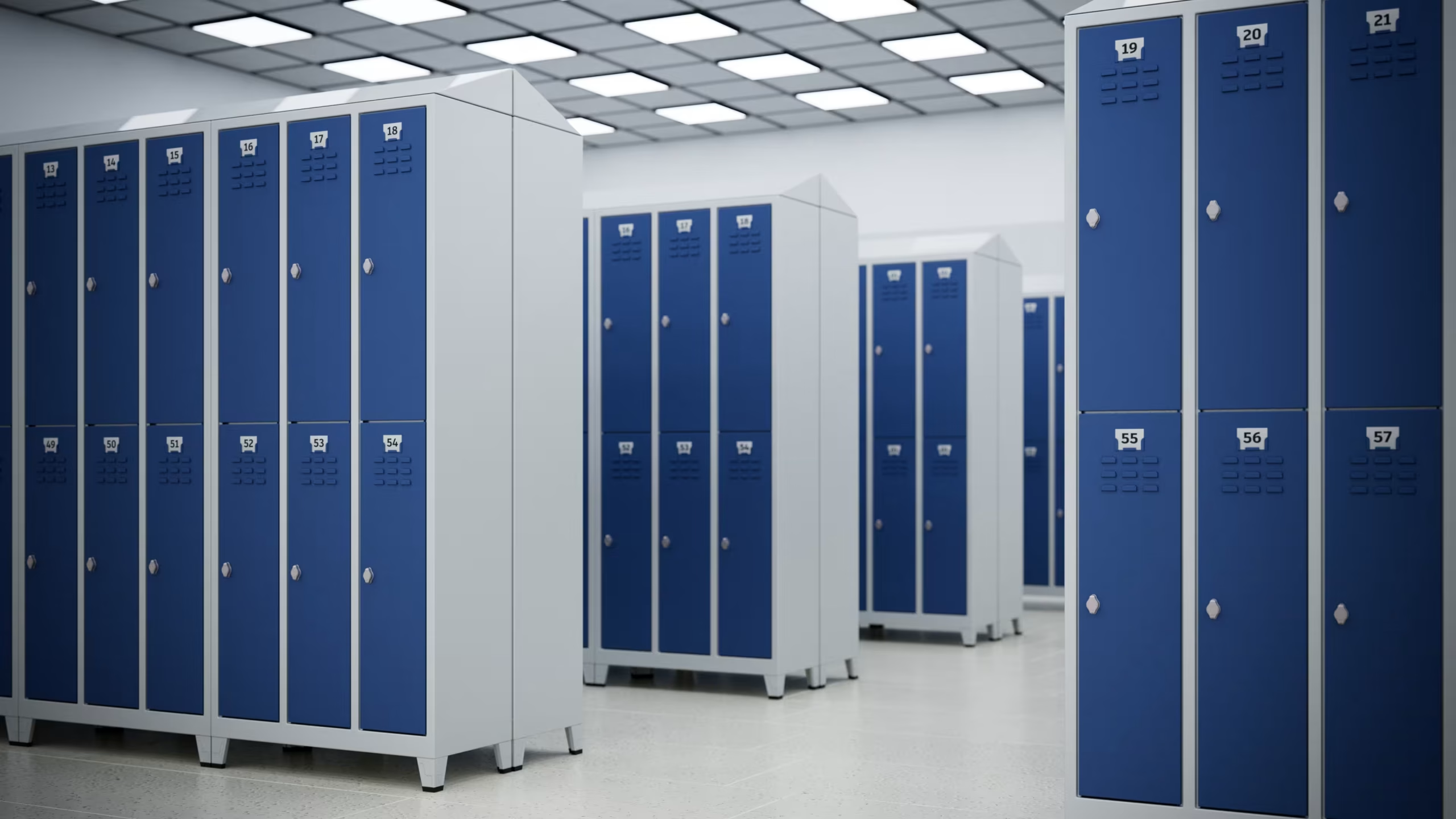
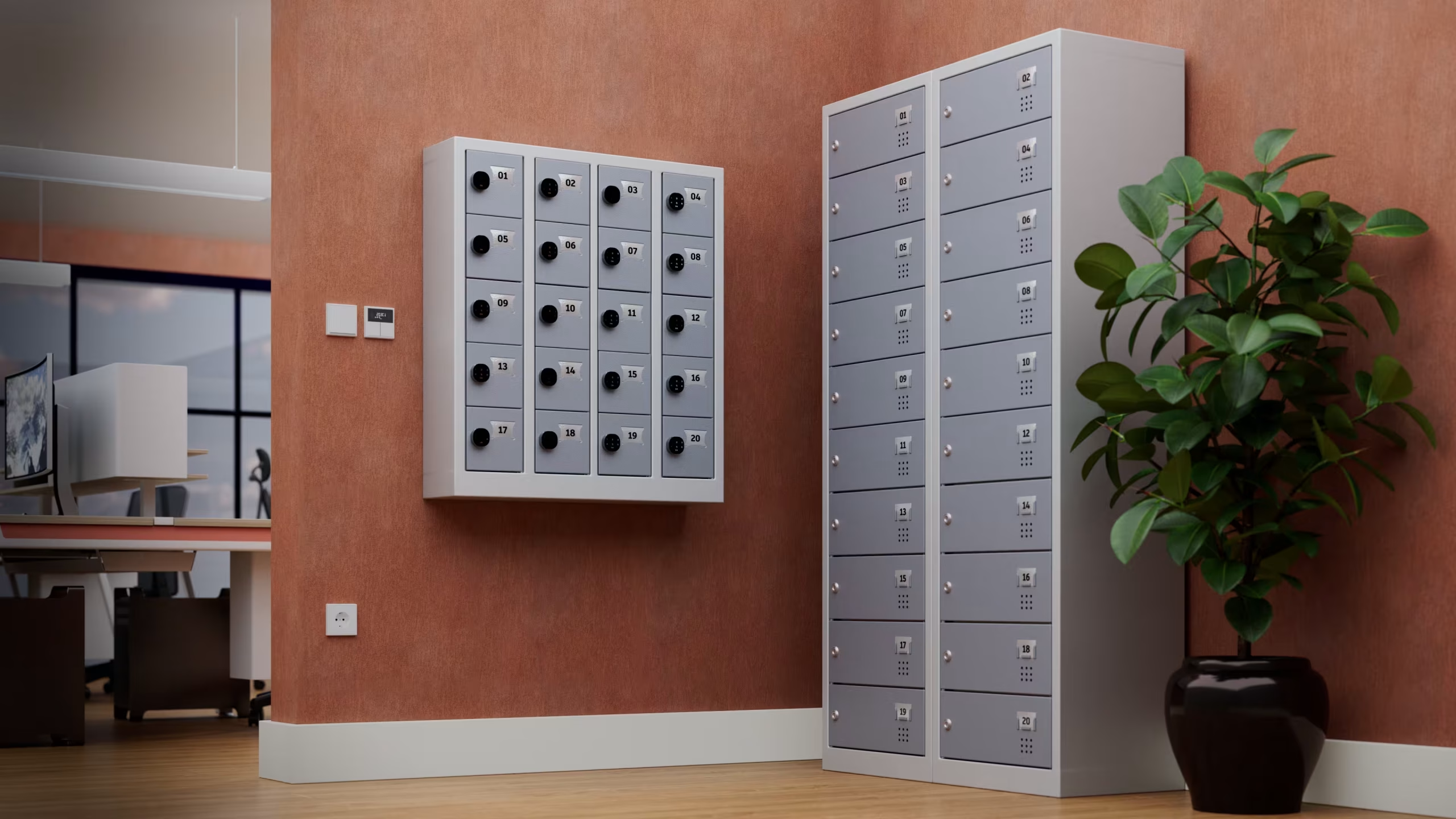

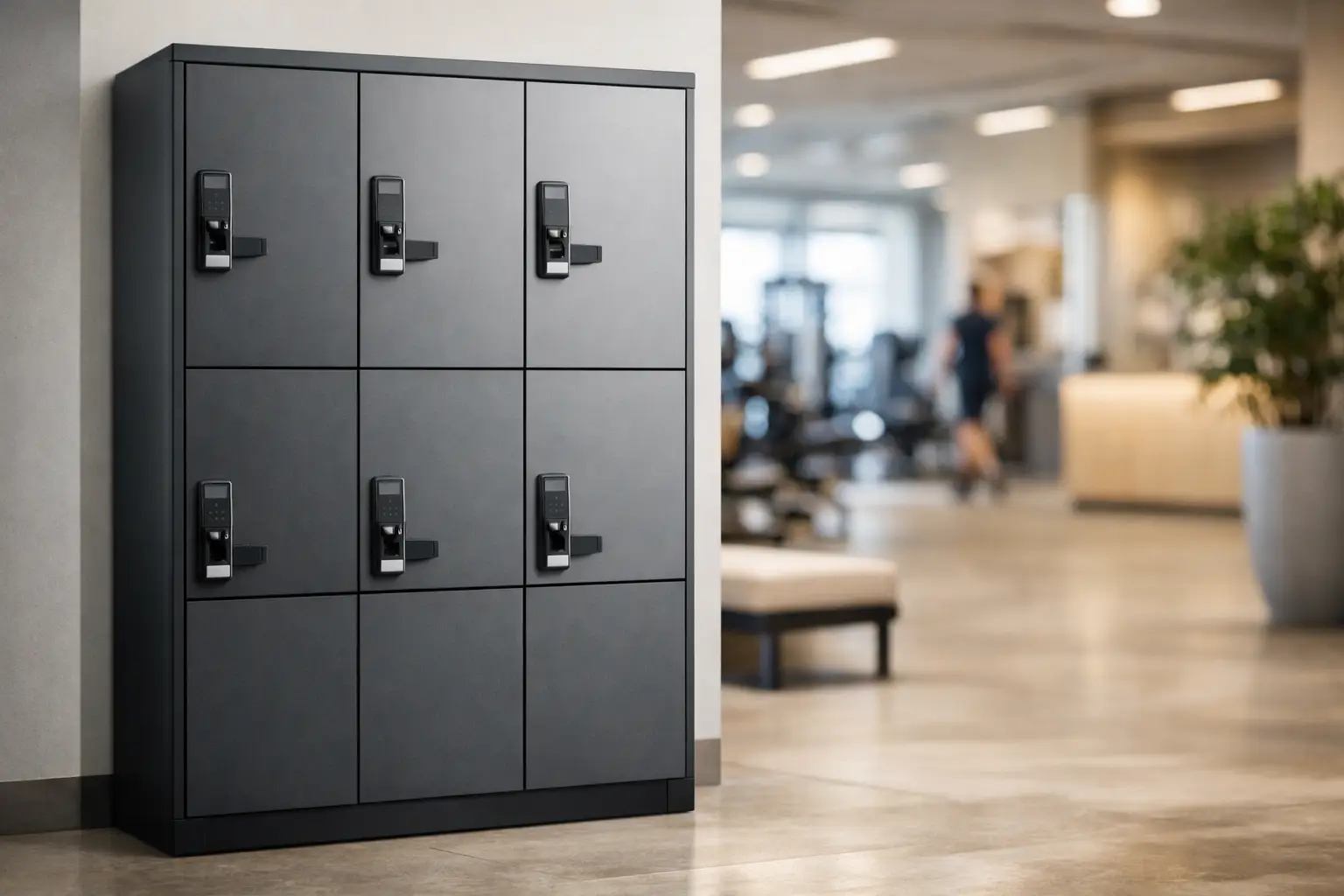
When floor space is tight but staff, students, or members still need personal storage, a 6 door locker usually becomes part of the conversation fast. It gives you six separate compartments in one vertical unit, which makes it a practical choice for facilities that need more user capacity without expanding the footprint of the locker room, break area, corridor, or changing space.
For procurement teams, the value is straightforward. A 6 door locker increases storage density, keeps allocation simple, and works across a wide range of environments. But it is not the right answer in every project. The right specification depends on what users are storing, how often doors are opened, what level of security is required, and how hard the unit will be used over time.
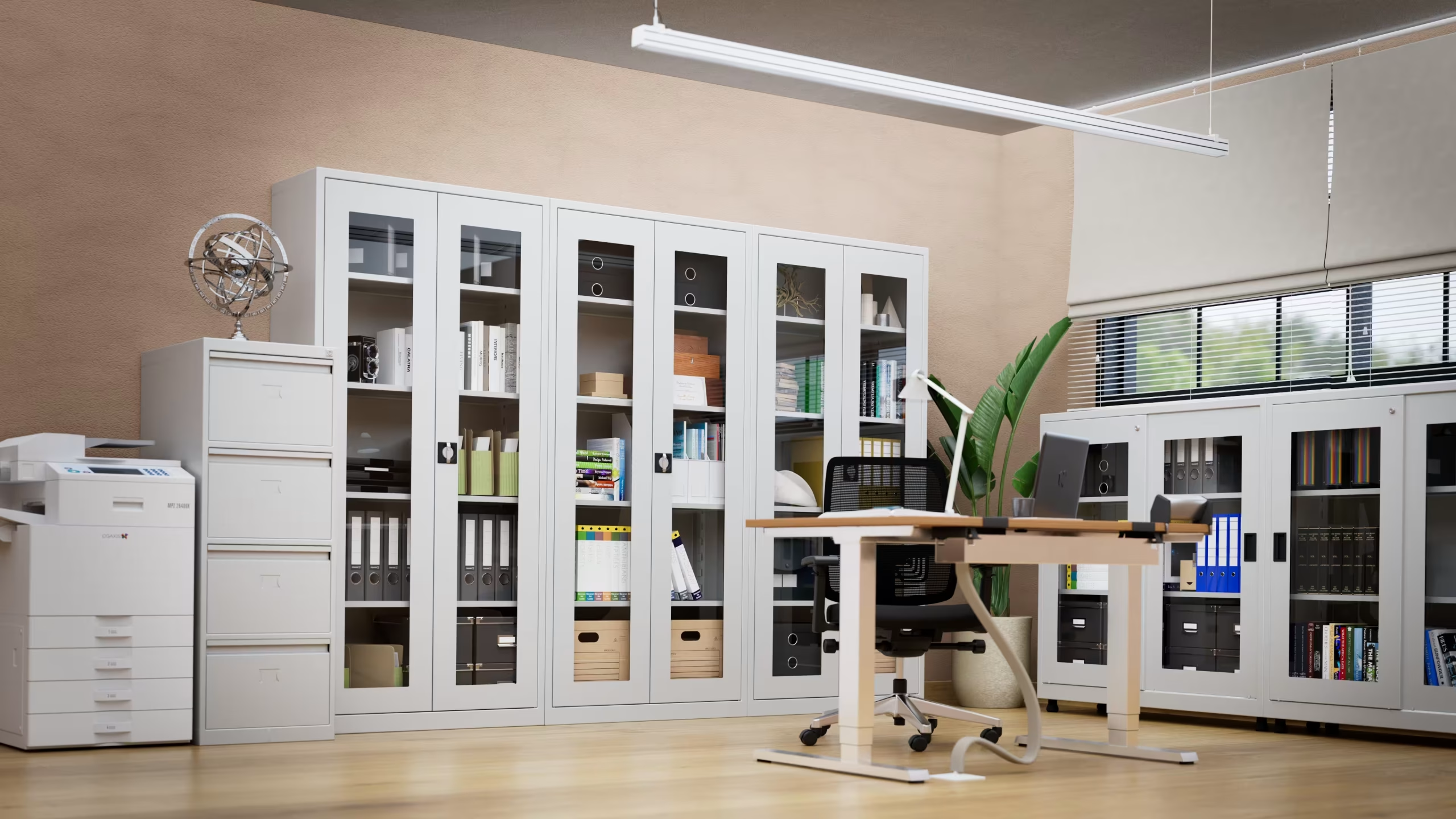
A 6 door locker is built for shared environments where many users need individual storage and the contents are typically compact. That includes offices, factories, schools, gyms, healthcare support areas, and staff welfare spaces. Instead of dedicating a full-height compartment to each user, you divide the cabinet into six secure sections and use vertical space more efficiently.
This matters most in projects where every square foot has a cost. In a narrow room, a bank of 6 door lockers can support more users than larger compartment formats without forcing a redesign of the space. For fit-out contractors and facility planners, that often makes layout decisions easier.
There is also a control benefit. Separate doors allow straightforward user assignment, better access management, and fewer disputes over shared storage. In workplaces with rotating shifts or temporary staff, this kind of structure keeps daily operations cleaner.
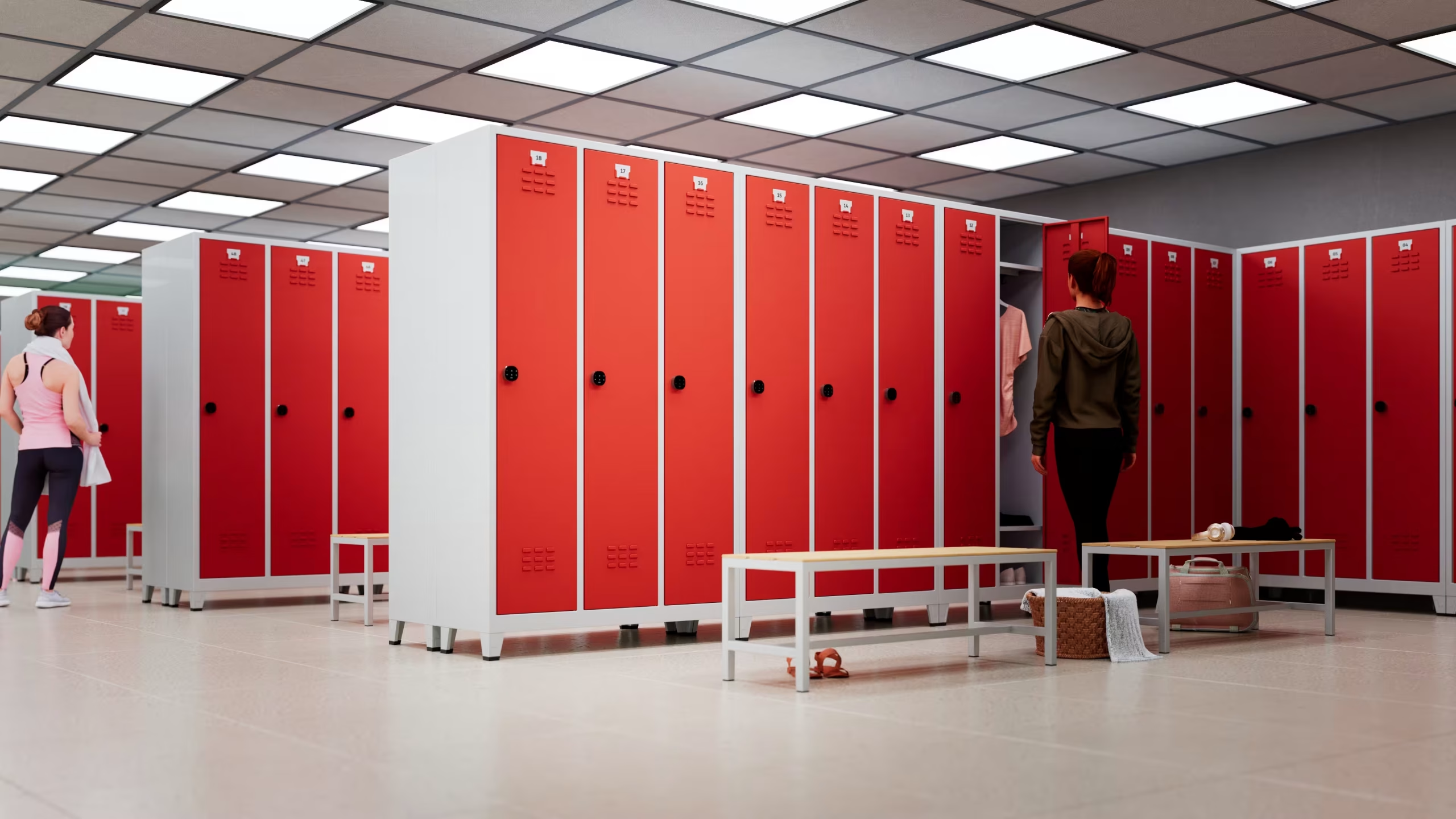
The best applications are the ones where users need secure personal storage for small to medium items rather than bulky gear. In offices, that may mean bags, lunch containers, personal effects, and small electronics. In schools, it may cover books, stationery, and personal items. In gyms, it often suits wallets, phones, clothing layers, and accessories.
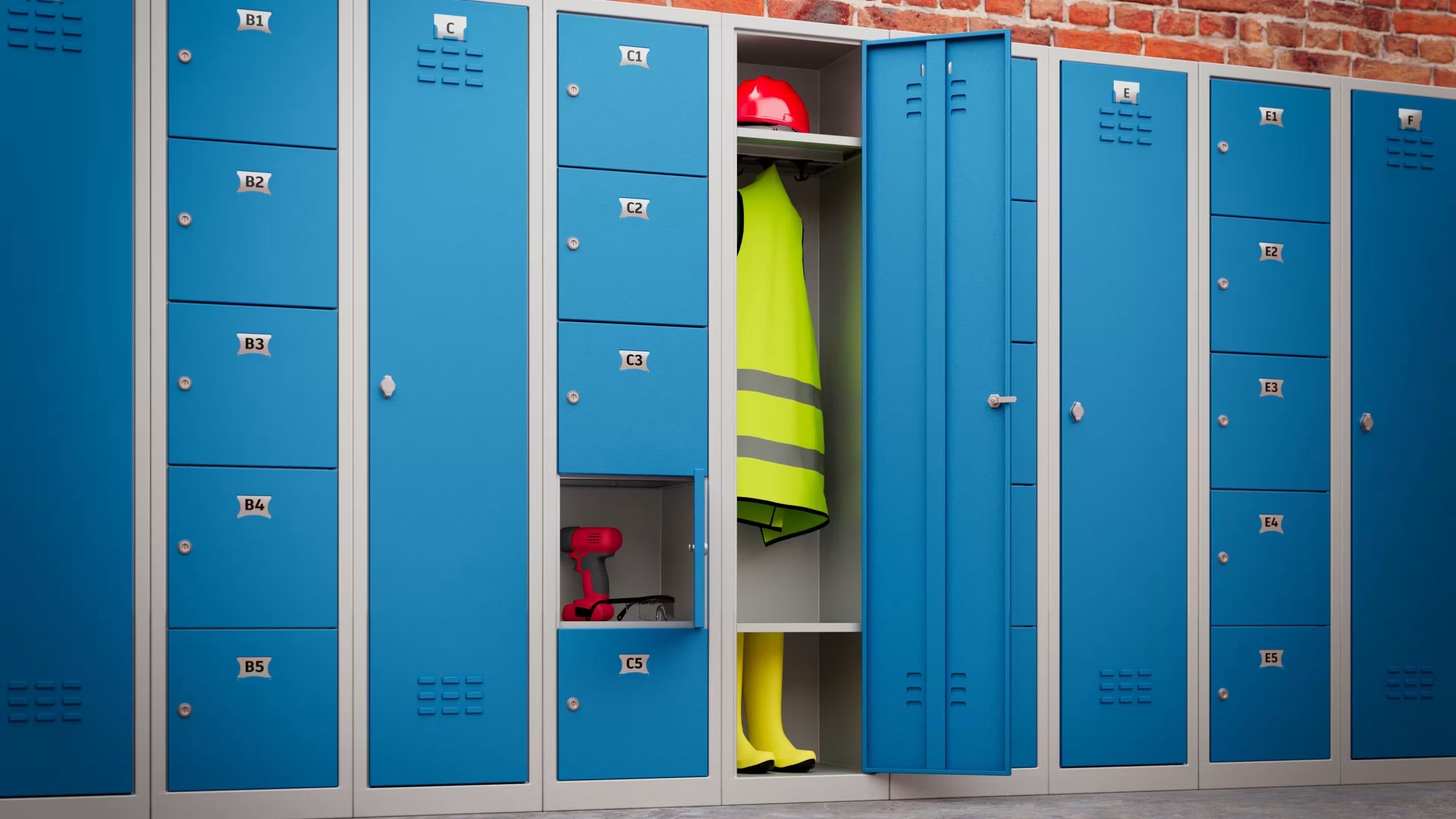
Industrial sites can also benefit, especially in staff areas where workers need to separate personal belongings from the work floor. If PPE or uniforms are part of the requirement, the decision becomes more specific. Some sites can use a 6 door locker effectively, while others need larger compartments or a dedicated PPE locker format to handle boots, helmets, folded garments, or clean-dirty separation.
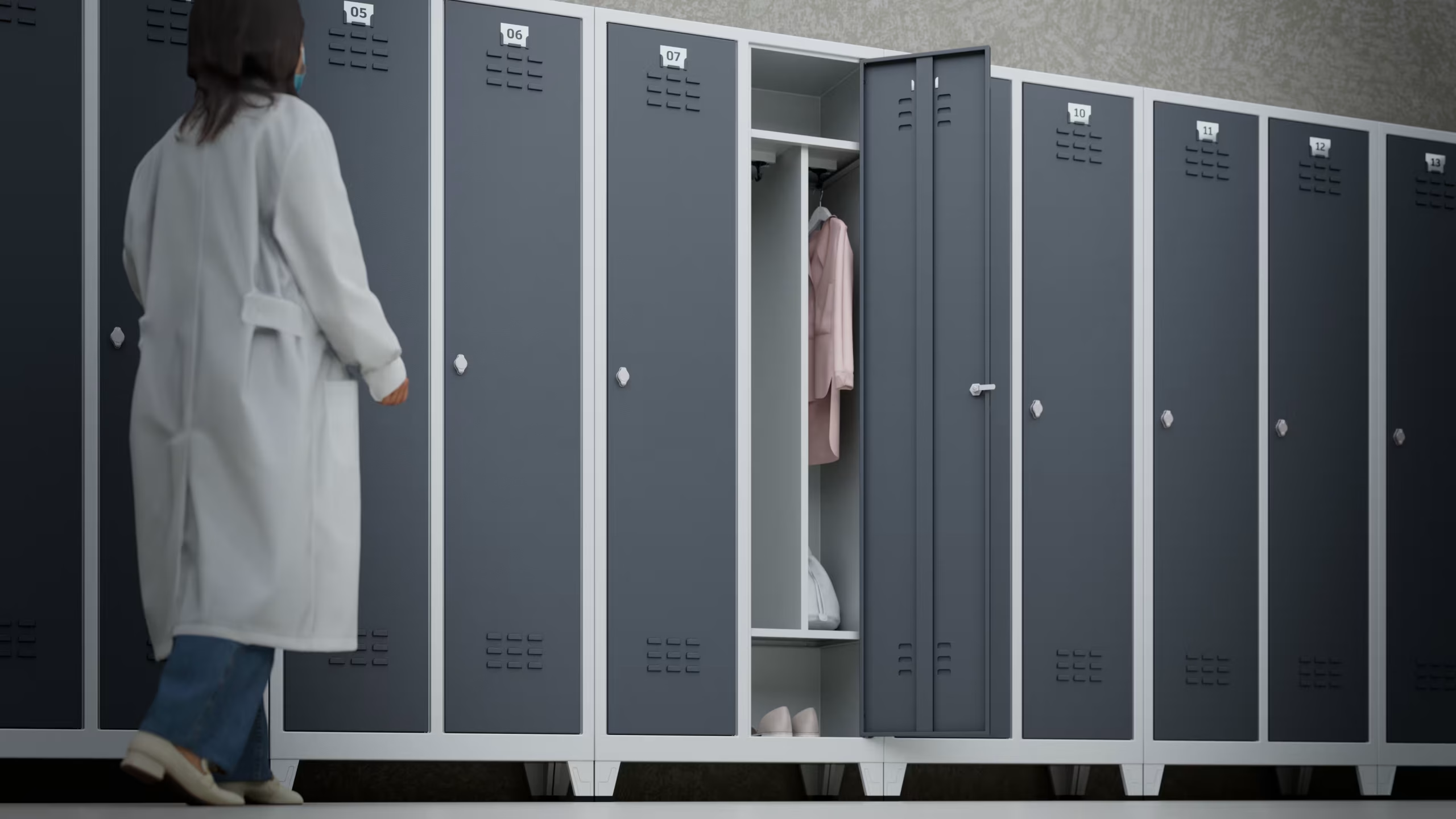
Healthcare and laboratory support spaces may use this format for controlled staff storage, but here the finish, cleaning needs, and lock system become more important than the compartment count alone.
Higher capacity is the main advantage, but compartment size is the natural trade-off. A 6 door locker gives each user less internal volume than a 2 door or 4 door unit of similar overall dimensions. That is a strength when users only need compact storage. It becomes a limitation when coats, larger bags, protective equipment, or document boxes need to fit inside.
This is why buyer expectations need to be clear before specification. If the project goal is maximum user count in a limited footprint, a 6 door locker is a strong option. If user comfort and larger item storage matter more, fewer doors per unit may be the better decision.
A good buying process starts with one simple question: what exactly will each compartment need to hold on a normal day, not on paper, but in actual use?
The door count alone does not tell you enough. Commercial buyers should look at construction details that affect service life, user experience, and maintenance load.
In high-use facilities, the cabinet body and doors need to resist impact, repeated opening, and daily wear. Thin material can reduce cost at the start but create problems later with bent doors, misalignment, and poor long-term appearance. A stronger steel build generally supports better rigidity and a longer service life, especially in schools, production sites, and changing areas with constant traffic.
Even small personal storage compartments benefit from airflow. This matters in gyms, staff areas, and any environment where clothing or frequently handled items are stored. Ventilation slots should support air movement without weakening the door structure.
If regular cleaning is part of the operating routine, surface finish matters as well. Powder-coated metal is commonly preferred because it is durable, practical to maintain, and suitable for commercial interiors.
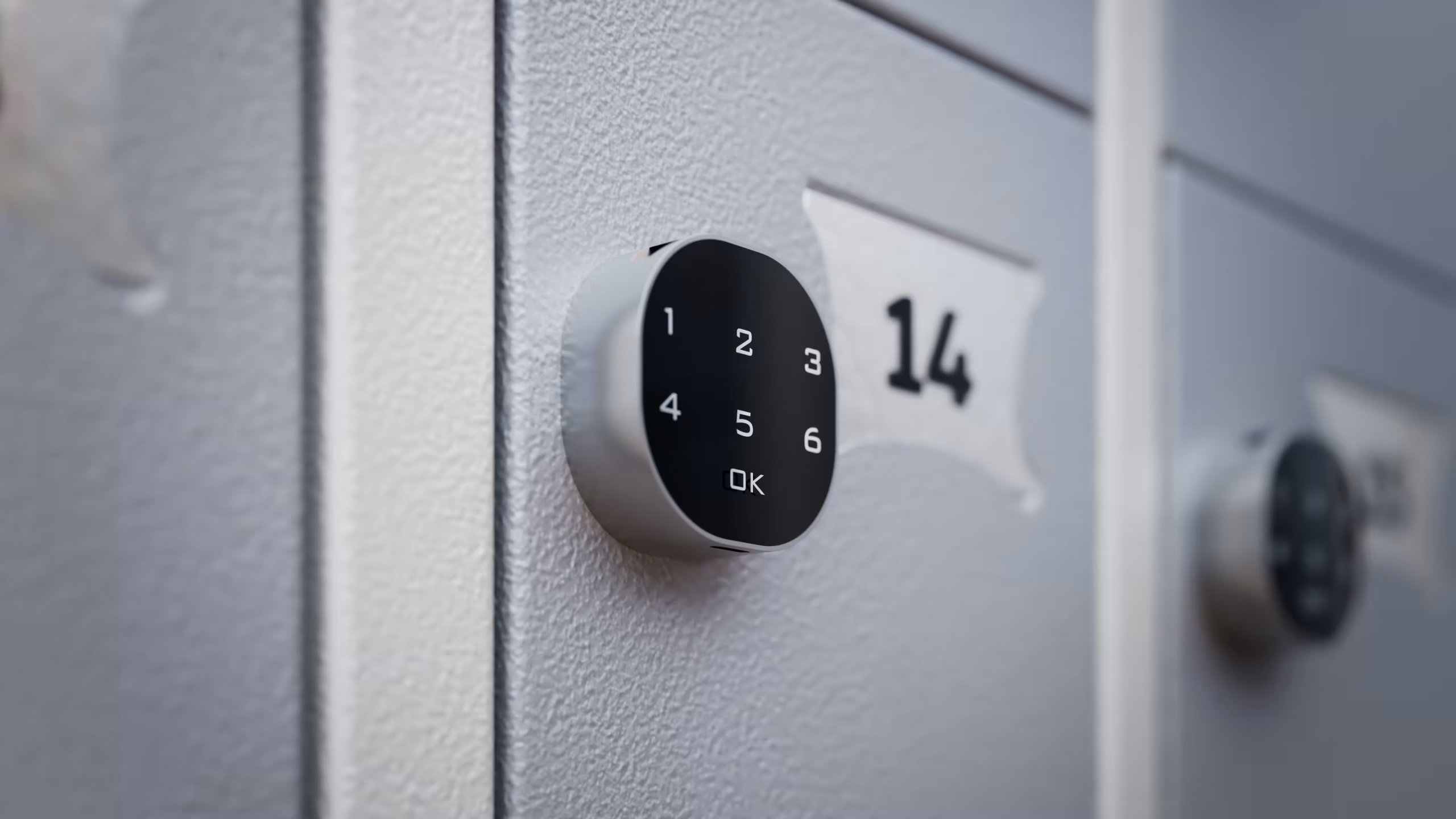
The right lock depends on how the locker will be assigned. For permanent users, key locks or padlock fittings may be sufficient. For managed facilities, cam locks with master key systems can simplify administration. For premium environments or controlled-access projects, digital or code-based solutions may make more sense.
There is no universal best choice here. A school, an office, and an industrial site may all need different lock strategies, even if they are buying the same 6 door locker format.
Some projects only need an empty compartment. Others need hooks, label holders, number plates, sloping tops, or perforated sections. These details are easy to overlook during early sourcing, but they affect daily use more than many buyers expect.
For example, if users need to hang a light jacket or store small work items in an organized way, a basic shell may not be enough. A slightly different internal configuration can improve satisfaction and reduce misuse.
Locker selection should always be tied to the room plan. A well-made locker can still be the wrong product if it creates congestion, poor door swing clearance, or awkward access in a busy corridor.
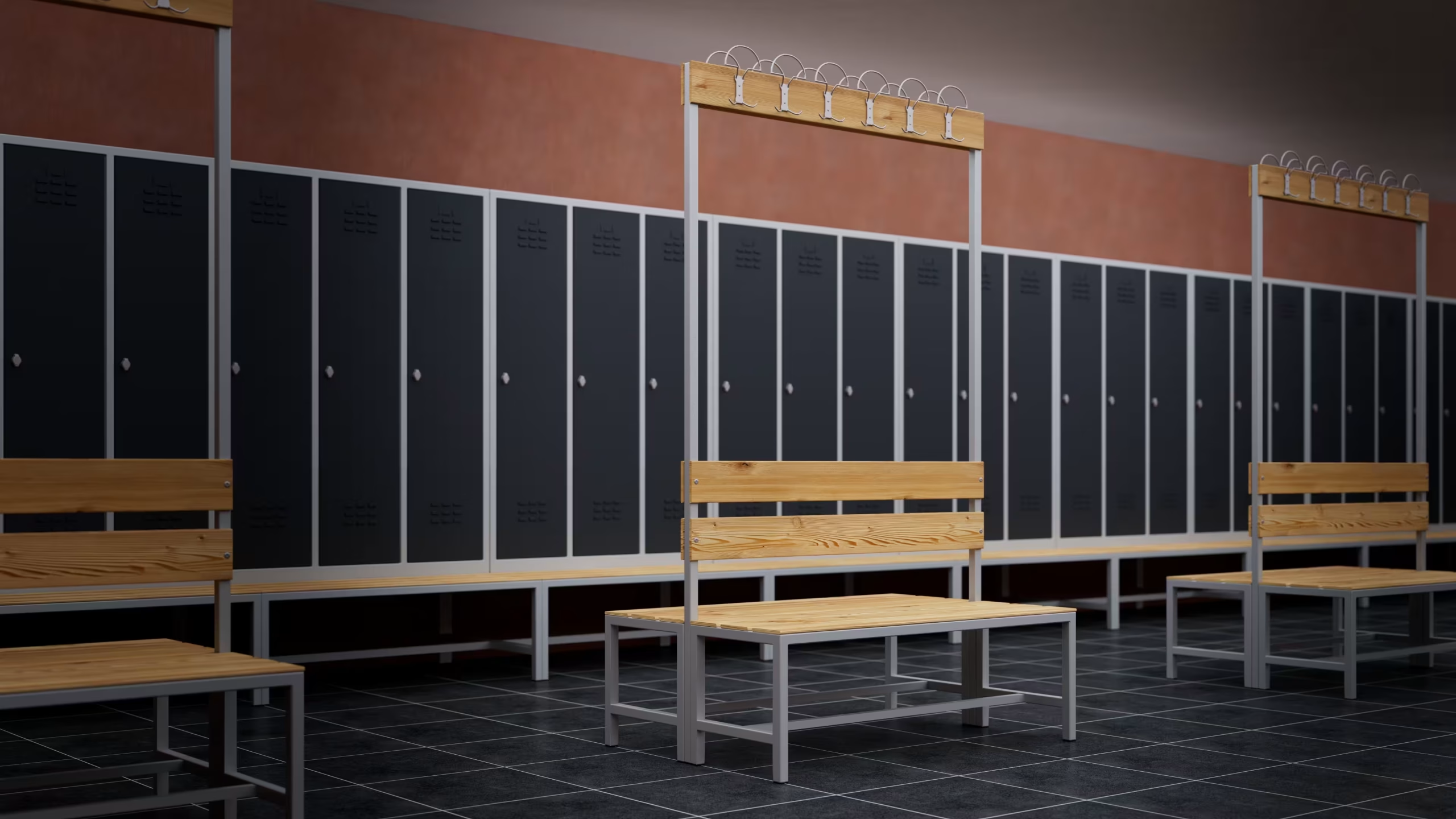
A 6 door locker is often chosen because it increases user capacity in compact spaces, but layout discipline still matters. Buyers should consider aisle width, bench placement, cleaning access, emergency egress, and whether users need privacy while accessing compartments. In schools and fitness facilities, traffic patterns at peak times can affect the best placement as much as the locker specification itself.
Height, width, and depth should also match the intended use. Deeper units may help with bags and folded clothing, while shallower units can work well in hallways and office support areas. There is no single ideal dimension for every project. The right answer depends on stored items and room constraints.
Many projects can be served well by a standard 6 door locker, especially when lead time, budget control, and repeatability matter. Standard models are often the quickest path for offices, schools, and general staff storage.
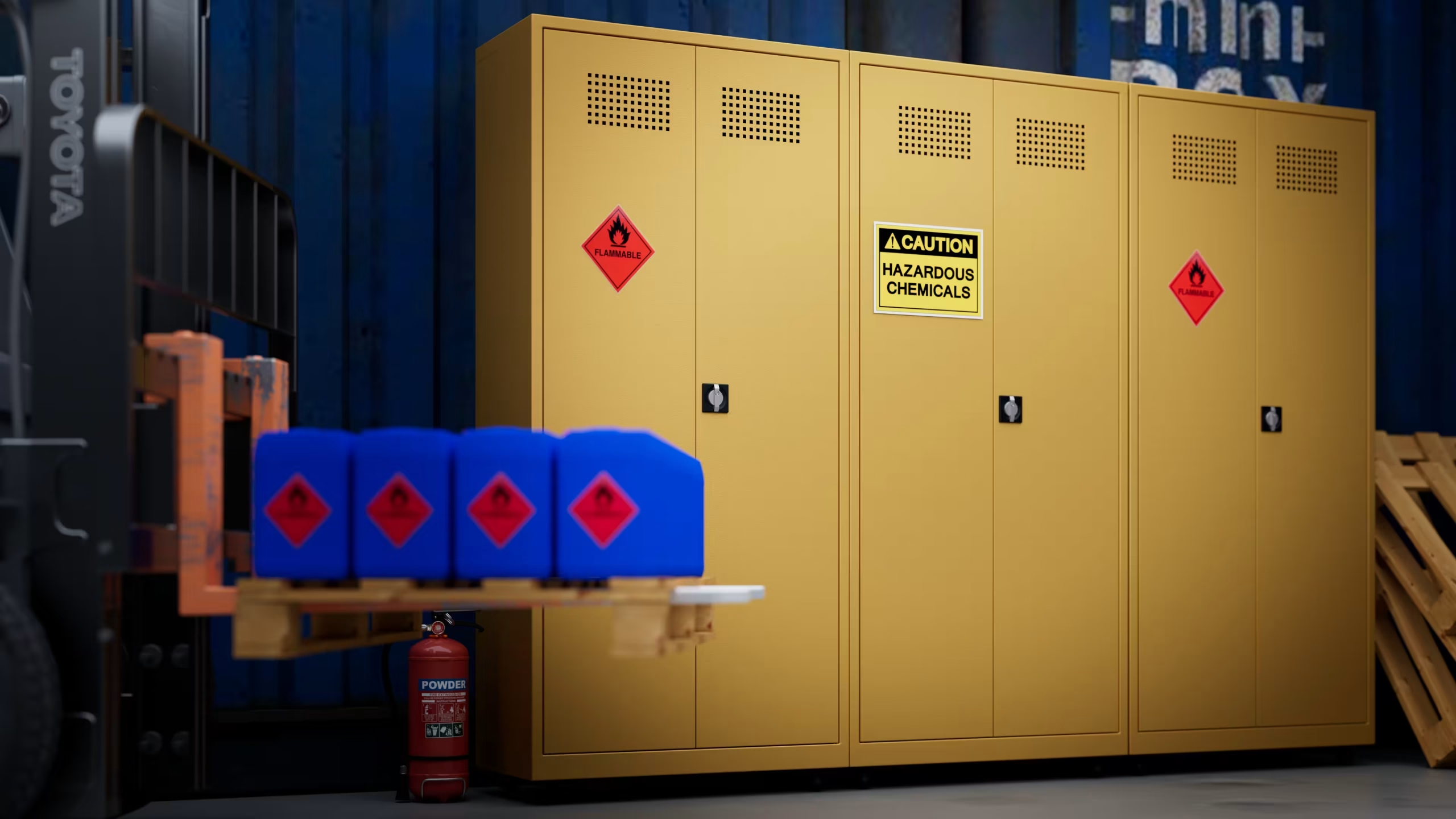
Custom production becomes more relevant when the environment creates special demands. That may include non-standard dimensions, specific color requirements, reinforced bases, alternative lock preparation, charging integration, special ventilation, or design changes to meet project drawings. For distributors and project buyers, this flexibility can be the difference between forcing a compromise and getting a product that fits the site properly.
This is where manufacturer capability matters. A supplier that handles both standard production and custom metal fabrication can support mixed requirements across a project rather than treating every exception as a problem.
Price matters, but in B2B purchasing it should not stand alone. A low-cost unit may look competitive until warranty terms, lead time reliability, finish quality, and packing standards are reviewed. Buyers managing installations across multiple rooms or multiple sites usually need more than a basic product list. They need consistency.
For that reason, supplier evaluation should include manufacturing strength, order flexibility, communication speed, and the ability to support project-specific requirements. If the purchase is part of a wider storage package that includes cabinets, benches, shelving, or PPE storage, consolidation with one dependable manufacturer can reduce coordination work and improve consistency across the facility.
Loxmet operates in exactly this space, supporting business buyers who need durable metal storage products with both standard and customized options.
If your users need secure individual storage for compact personal items, and your facility needs to maximize capacity without wasting floor space, a 6 door locker is usually a strong fit. It works best when the specification is tied to actual use, not assumptions, and when build quality matches the traffic level of the site.
The best locker decisions are rarely about the number of doors alone. They come from matching space, security, durability, and user behavior. Get that balance right, and the locker will do its job quietly for years – which is exactly what commercial storage should do.

