


Highlights
Compartment Locker Selection for Busy Facilities

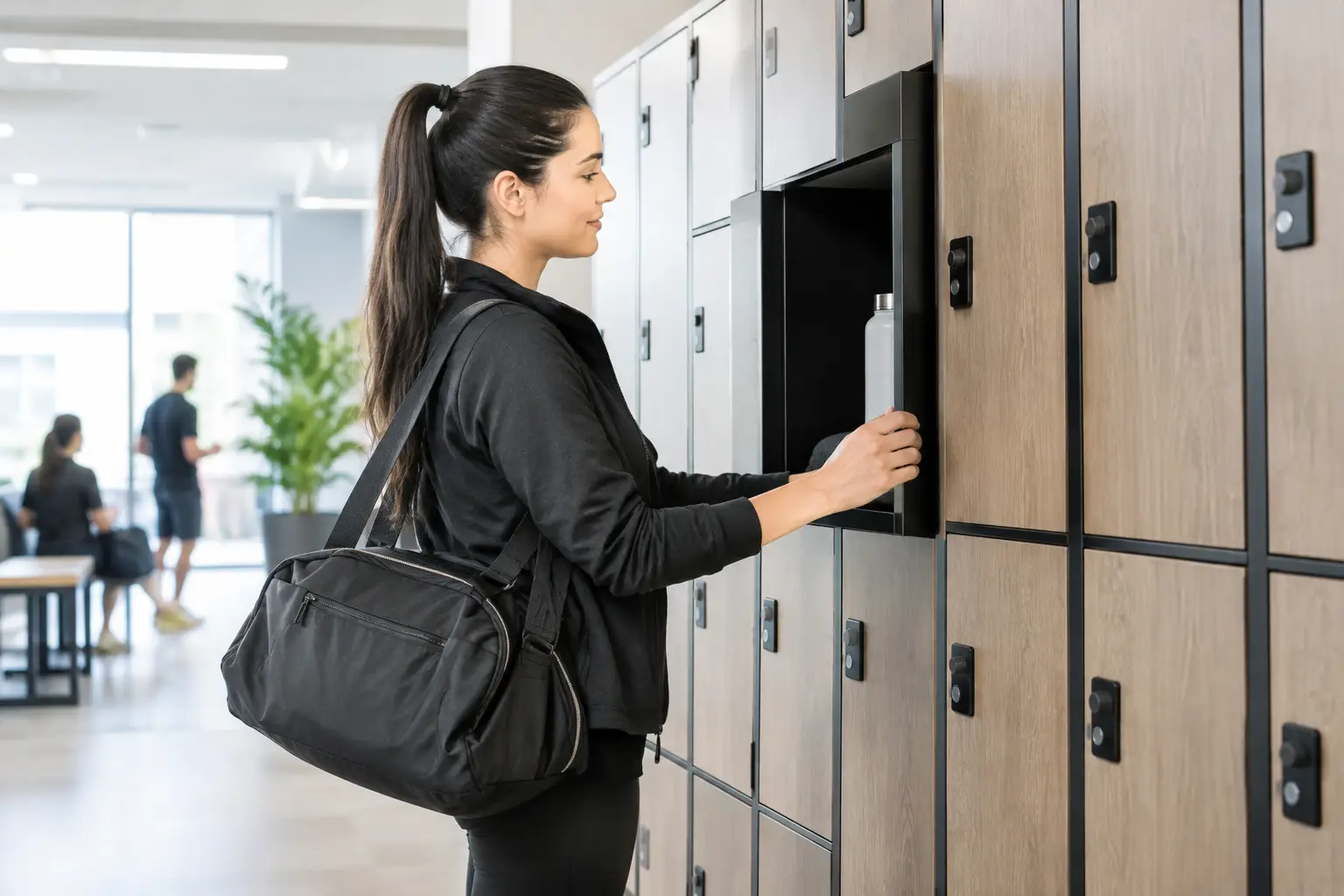
A compartment locker solves a common facility problem: many people need secure personal storage, but available floor space is limited. Whether the setting is a production floor, school corridor, staff room, fitness center, or health care facility, the right configuration keeps belongings protected without creating congestion or adding unnecessary maintenance work.
For procurement and facility teams, the question is not simply how many doors a locker has. It is whether the unit will fit the users, the room, the security policy, and the daily demands placed on it. A well-specified metal locker remains functional for years. A poorly matched unit can lead to overcrowding, damaged doors, lost keys, and an installation that wastes valuable space.
What Is a Compartment Locker?
A compartment locker is a metal storage unit divided into multiple individual lockable sections. Each compartment is assigned to one user or used for short-term storage. Compared with a full-height single-door locker, it provides a higher number of secure storage points within the same footprint.
These lockers are commonly supplied in two-door, four-door, six-door, or higher-density arrangements. The right choice depends on what users need to store. Employees changing into workwear may require a taller compartment. Visitors securing a phone, wallet, or bag may be better served by smaller stacked compartments. The most efficient layout is therefore based on storage volume, not only user numbers.
Metal construction is particularly suitable for commercial facilities because it resists impact, supports repeated opening and closing, and can be specified with finishes appropriate for demanding environments. It also provides a consistent appearance across larger installations, which matters in customer-facing sites as well as industrial operations.
Start With the User and the Stored Item
The best locker specification begins with a practical question: what will go inside? A locker intended for personal valuables does not need the same dimensions as one holding uniforms, helmets, laptops, PPE, or work boots.
Small compartments maximize capacity and are effective for short-duration use, especially in reception areas, gyms, training centers, and shared office environments. However, they can become frustrating when users need to store backpacks or protective equipment. Larger compartments offer greater flexibility but reduce the number of users served per locker bank.
For industrial sites, consider whether workers need separate space for clean clothing and workwear. In hygiene-sensitive operations, separation can be necessary rather than optional. For office and education settings, confirm whether devices, binders, or larger bags need to fit without being forced against the door.
A simple site survey prevents many specification errors. Record the typical items stored, peak user count, available wall length, ceiling height, circulation space, and cleaning access. This information gives suppliers a sound basis for recommending a suitable compartment arrangement.
Choose the Right Compartment Locker Density
Locker density affects cost, floor space, user comfort, and long-term flexibility. High-density storage is attractive where every square foot matters, but it should not compromise the intended use.
A four- or six-compartment configuration often works well for personal belongings in shared staff areas. Units with more compartments may suit temporary-use locations where contents are small and turnover is high. Two-compartment lockers are better for users who need to store a change of clothes, a bag, or specialized work equipment.
There is also a vertical access consideration. Very high locker stacks increase capacity, but upper compartments may be inconvenient for some users. This is especially relevant in schools, public facilities, and workplaces designed for a broad range of employees. A layout that looks efficient on a floor plan may perform poorly if users cannot comfortably access part of the installation.
When planning a large project, mixing locker sizes can be more effective than using one format throughout. For example, a facility may need standard personal lockers for most staff and a smaller group of larger units for supervisors, maintenance teams, or employees carrying additional gear.
Construction Details That Affect Service Life
Commercial lockers are opened, locked, bumped, cleaned, and sometimes misused every day. The durability of a compartment locker depends on more than the thickness of the steel. Door reinforcement, hinge design, frame rigidity, ventilation, coating quality, and lock integration all influence how the product performs over time.
Look for doors that remain aligned under frequent use. A rigid body and properly formed door edges help reduce flexing and improve the locking action. Recessed or protected handles can reduce snagging in busy changing areas and corridors. Where lockers are used in industrial settings, the ability to withstand minor impacts from bags, carts, and equipment is a practical requirement.
Powder-coated steel is widely specified because it provides a durable, cleanable surface and supports a wide range of colors. The finish should match the environment. Light, clean colors may suit offices and health care spaces, while darker or more practical finishes can be preferable in workshops, warehouses, and high-traffic staff areas.
Ventilation should also be considered when users store shoes, uniforms, or PPE. Vent slots support airflow and help manage odors and moisture. They are less critical for valuables-only lockers, where a more enclosed design may be preferred. The specification should follow the use case rather than treating every locker room the same.
Select Locking for How the Facility Operates
The locking method has a direct effect on administration. Traditional key locks are familiar and economical, but keys can be lost and replacements require tracking. Padlock fittings give users control of their own locks, which can reduce key management for temporary-use environments. They also place more responsibility on the user.
Combination locks can be useful where keys are impractical, although facility managers should consider code-reset procedures and user support. Digital and RFID locking systems are suited to controlled-access environments, shared lockers, and facilities that need usage records or centralized management. These systems can improve convenience, but they add electrical, software, and maintenance considerations.
The best choice depends on whether lockers are permanently assigned, shared daily, or used by visitors. A factory with assigned employee storage may favor a straightforward keyed or combination solution. A corporate office with flexible attendance may benefit from short-term digital allocation. For any option, confirm that replacement parts and lock servicing can be handled efficiently over the life of the installation.
Plan the Installation, Not Just the Product
A locker bank should work as part of the room. Door swing, aisle width, bench placement, wheelchair access, emergency routes, and cleaning access all need to be considered before ordering. In narrow changing rooms, doors opening opposite each other can create bottlenecks during shift changes.
Raised bases, sloping tops, and bench integrations can improve hygiene and simplify cleaning, depending on the facility. A raised base allows easier access beneath the locker, while a sloping top can prevent dust accumulation or items being left on top. These features may add cost, but they can reduce ongoing housekeeping effort in high-use environments.
Wall fixing and anchoring should be planned according to the locker height, configuration, and site conditions. Banks of lockers may be supplied as individual units, nested sections, or a combined run. Discuss transport routes, delivery access, and installation sequencing early, particularly for multi-floor projects or sites with limited loading access.
Customization Makes Standard Lockers Fit Better
Standard sizes are often the fastest route for a straightforward requirement, especially when delivery time is a priority. Yet projects with unusual room dimensions, branding requirements, hygiene policies, or specialized equipment storage can benefit from custom metal fabrication.
Customization may include compartment dimensions, door quantities, ventilation patterns, lock preparation, color selection, numbering, name card holders, and integrated benches. For distributors and project buyers, the ability to combine standard production with custom adjustments helps meet client requirements without starting from a completely new design.
The key is to customize only where it creates operational value. Special colors may support wayfinding. Larger compartments may reduce complaints from users carrying equipment. Additional ventilation may be justified for workwear storage. Features without a clear operational purpose can increase cost and lead time without improving the facility.
Specify for the Next Five Years
Locker projects are often evaluated on purchase price, but the more useful measure is cost over service life. A unit that needs regular door adjustments, replacement locks, or early repainting can become more expensive than a stronger product with a higher initial cost.
Consider expected headcount changes, shift patterns, and whether the space could serve a different department later. Modular locker banks give facilities more freedom to expand or reconfigure over time. Selecting durable metal construction and a supplier that can support repeat orders also helps maintain a consistent installation as needs grow.
Loxmet supports commercial buyers with heavy-duty metal storage solutions, standard product options, and custom production for specific facility requirements. The practical starting point is a clear brief: who will use the lockers, what will they store, how will access be managed, and what conditions will the units face each day. Those answers will lead to a compartment locker system that earns its place on the floor for years to come.