


How to Handle a Smelly or Dirty Work Locker
Practical steps for how to handle a smelly or dirty work locker, including cleaning, odor prevention, inspections, and better locker selection at work.

Locker Etiquette for Shared Spaces at Work
Locker etiquette for shared spaces helps facilities protect privacy, reduce clutter, and keep employee storage secure, orderly, and ready for every shift

Temperature and Humidity Control in Locker Areas
Temperature and humidity control in locker areas protects metal lockers, improves comfort, and helps facilities plan ventilation for reliable daily use.

Digital Lock Systems vs Traditional Locks for Metal Lockers
Compare digital lock systems vs traditional locks for metal lockers to select secure, durable access control for your workplace, school, gym, or facility.

What Type of Paint Should Be Used for Metal Lockers?
What type of paint needs to be used for metal lockers? Choose durable coatings for corrosion resistance, cleaning, appearance, and demanding facility use.

Employee Satisfaction and Locker Provision
Employee satisfaction and locker provision improve privacy, organization, and retention. Learn how to specify durable lockers for demanding workplaces.

How Tall Are Lockers? Standard Sizes Explained
How tall are lockers? Compare standard locker heights, compartment sizes, and planning factors for offices, schools, gyms, and industrial facilities.
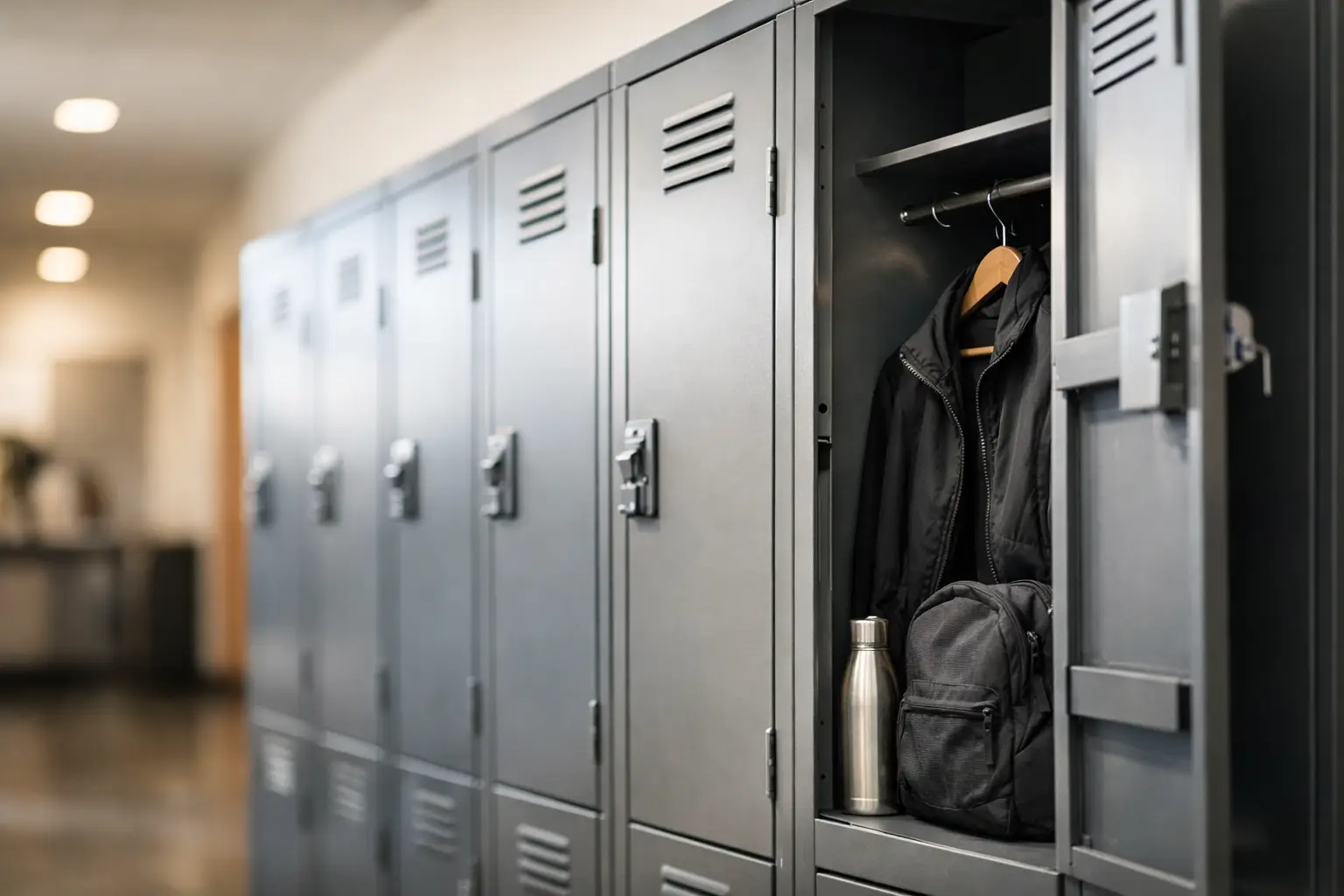
How Durable Are Metal Lockers for Daily Use?
How durable are metal lockers? See how steel gauge, door design, coatings, and maintenance determine service life in high-use, large commercial facilities.

What Metal Are Lockers Made From? Buyer’s Guide
What metal are lockers made from? Compare steel, stainless steel, aluminum, and coatings to select durable storage for your workplace or facility needs.

Why Do Lockers Have Vents? A Practical Answer
Why do lockers have vents? Learn how ventilation controls moisture, odor, corrosion, and heat while helping facilities select lockers fit for daily use.