


Highlights
How Durable Are Metal Lockers for Daily Use?

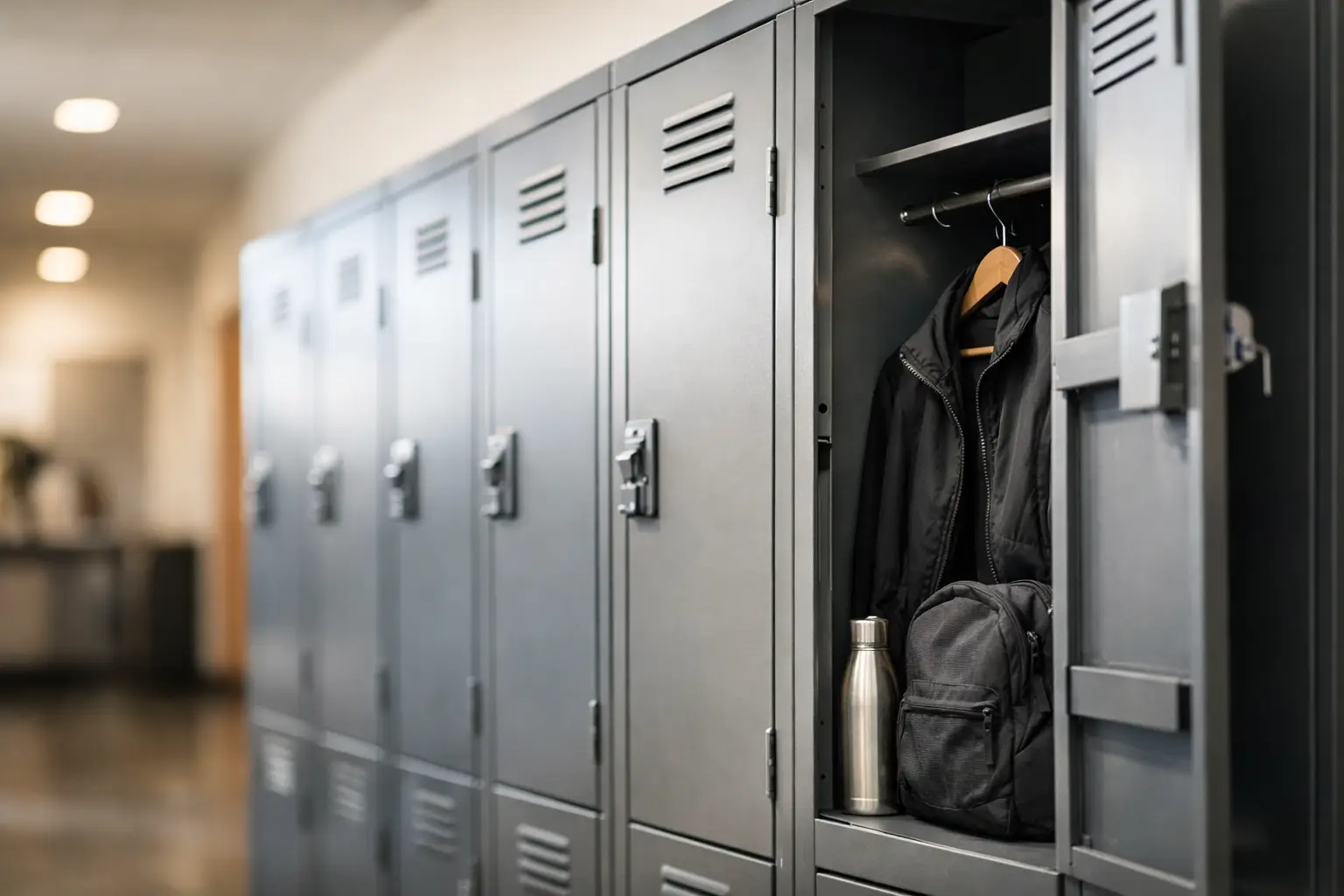
A locker room can put more wear on storage equipment in one shift than a lightly used office can in a month. Doors are opened repeatedly, bags are pushed inside, wet clothing is stored, and locks are tested every day. So, how durable are metal lockers? When they are specified for the actual environment, they can provide many years of dependable service. Their lifespan depends less on the word “metal” and more on steel thickness, construction method, finish quality, door design, and how the lockers are used.
How Durable Are Metal Lockers in Commercial Facilities?
Metal lockers are among the most durable storage options for shared workplaces, schools, gyms, industrial sites, healthcare areas, and staff changing rooms. Unlike storage units made from lighter materials, steel lockers are designed to resist daily impact, concentrated loads, repeated opening cycles, and attempts at forced access.
That does not mean every metal locker performs the same way. A thin, lightly assembled locker intended for occasional use will not deliver the same service life as a heavy-duty unit with reinforced doors, formed steel components, and a durable powder-coated finish. Buyers should evaluate the locker as a complete construction system rather than comparing only its outside dimensions or purchase price.
For a facility with high staff turnover, multiple shifts, or public access, a properly specified metal locker is a long-term operational asset. It protects employee belongings, reduces replacement cycles, and keeps changing rooms and work areas organized under demanding conditions.
Steel Gauge Sets the Starting Point
Steel thickness is one of the clearest indicators of locker durability. Lower gauge numbers generally indicate thicker steel. Thicker steel panels are better able to resist dents, bending, and flexing when lockers are loaded or when doors are closed with force.
A lighter-gauge locker may be appropriate for controlled office use or low-traffic staff areas. For factories, schools, transport facilities, fitness centers, warehouses, and public changing rooms, heavier-gauge steel is usually the safer choice. The added material strength helps the cabinet retain its shape over time, particularly around the door opening, base, and side panels.
Thickness alone is not enough. Well-formed edges and folded panel profiles add stiffness without adding unnecessary bulk. This is why a supplier should be able to explain both the steel gauge and the structural design of the locker.
Construction Details Matter More Than Appearance
The strongest lockers use construction methods that prevent movement between panels. Welded or securely fastened joints, reinforced corners, and stable bases keep the body square during transport, installation, and years of use. If the cabinet twists or shifts, doors can become misaligned and locking performance can suffer.
Door construction deserves special attention. Doors receive the most direct abuse, so they should include formed edges or internal reinforcement where required. A door that feels rigid, closes cleanly, and does not flex excessively is less likely to bend around the lock area or lose alignment after repeated use.
Hinges are another practical test. Continuous or well-supported hinge systems distribute the load across the door and reduce sagging. On lockers used many times per day, this detail can make a meaningful difference in service life.
What Causes Metal Lockers to Wear Out?
Metal is durable, but facility conditions still affect it. The most common causes of premature locker failure are impact damage, moisture exposure, poor installation, overloaded shelves, and weak locking components. A good purchasing decision accounts for these risks before the lockers arrive on site.
Moisture and Corrosion
Humidity, wet uniforms, damp towels, cleaning chemicals, and poor ventilation can create corrosion risks. This is particularly relevant in gyms, swimming facilities, food-processing areas, healthcare changing rooms, and industrial wash-down zones.
A quality powder-coated finish provides a protective barrier against scratches and everyday moisture. The finish should cover visible surfaces evenly and adhere properly to prepared steel. However, no coating can protect exposed metal indefinitely if deep scratches are ignored or lockers remain wet for long periods. Ventilation slots, drainage considerations, and routine cleaning help prevent moisture from becoming a long-term problem.
For unusually harsh environments, buyers may need a more specialized material, finish, or cabinet design. Standard painted steel can be an excellent fit for many applications, but it should not be treated as a universal answer for constant chemical exposure or persistent wet conditions.
Impact, Misuse, and High Traffic
In busy facilities, lockers are often hit by carts, boots, equipment bags, and cleaning tools. Door slamming and improper use are also common. Heavy-duty doors, stiff frames, and reinforced lock areas help prevent visible damage from turning into a security problem.
The trade-off is straightforward: lockers designed for harder use generally cost more and may weigh more. Yet the lower initial price of a lighter product can be offset quickly by repairs, door replacements, and early renewal. Procurement teams should compare expected service life and maintenance demand, not just unit cost.
Locks and Handles Are Wear Points
A strong cabinet is only useful if the locking system remains reliable. Cam locks, hasps, combination locks, electronic locks, and coin-return systems each suit different operating models. The right choice depends on whether lockers are assigned permanently, shared by visitors, managed through a central system, or used for secure device charging.
Lock areas should be reinforced so that daily pulling and turning does not distort the door. For high-use applications, it is also practical to choose lock systems with replaceable cylinders or serviceable parts. This makes maintenance faster when keys are lost, users change, or a lock reaches the end of its working life.
Match Locker Durability to the Application
The question is not simply whether metal lockers are durable. It is whether a particular locker is durable enough for a specific operating environment.
Employee changing rooms often need ventilated compartments, strong hanging rails, and doors that tolerate frequent opening. Industrial facilities may require sloping tops for easier cleaning, raised bases, PPE separation, or compartment layouts that keep personal items apart from workwear. Schools and sports venues benefit from reinforced doors and secure lock preparation because of heavy daily traffic. Offices may prioritize a clean finish, compact dimensions, and secure storage for bags or personal devices.
Charging lockers add another layer of requirements. Beyond cabinet strength, buyers should assess cable management, ventilation, electrical component protection, access control, and the number and type of devices being stored. Chemical storage cabinets require a different standard again, with safety features selected for the substances and regulations involved.
This is where custom manufacturing can be valuable. Loxmet supports standard and tailored metal storage projects, allowing buyers to specify compartment sizes, ventilation patterns, locking arrangements, colors, bases, and other functional details. Customization should solve an operational problem, not add complexity without purpose.
How to Assess Locker Quality Before Ordering
A specification sheet should give procurement teams more than a product image and overall dimensions. Ask for the steel gauge, door and body construction, coating type, lock options, ventilation arrangement, load capacity where relevant, and assembly method. For project orders, confirm whether lockers are delivered assembled or require installation on site.
It is also useful to inspect a sample or detailed production information before placing a large order. Check door alignment, edge finishing, hinge movement, lock operation, and cabinet stability. Small details reveal whether a locker has been designed for years of use or only for a short purchasing cycle.
Warranty terms provide another useful signal, although they should be read alongside the product specification. A long warranty is most meaningful when the manufacturer has clear production controls, available replacement parts, and the capability to support repeat orders as a facility expands.
Maintenance That Extends Service Life
Metal lockers do not require complicated upkeep, but simple routines protect the investment. Clean painted surfaces with suitable non-abrasive products, dry standing moisture promptly, and inspect doors and locks during regular facility checks. Tighten or replace worn hardware before a minor issue causes door misalignment or damage to the frame.
Facilities should also set clear user rules. Prohibiting overloading, forced door closure, and unauthorized lock changes prevents many avoidable repairs. In shared environments, a basic locker assignment and key-control process helps staff identify issues early.
A well-built metal locker is not disposable furniture. With the right steel construction, finish, hardware, and maintenance plan, it becomes dependable infrastructure that supports the daily rhythm of the facility for years.