


Highlights
Locker Etiquette for Shared Spaces at Work

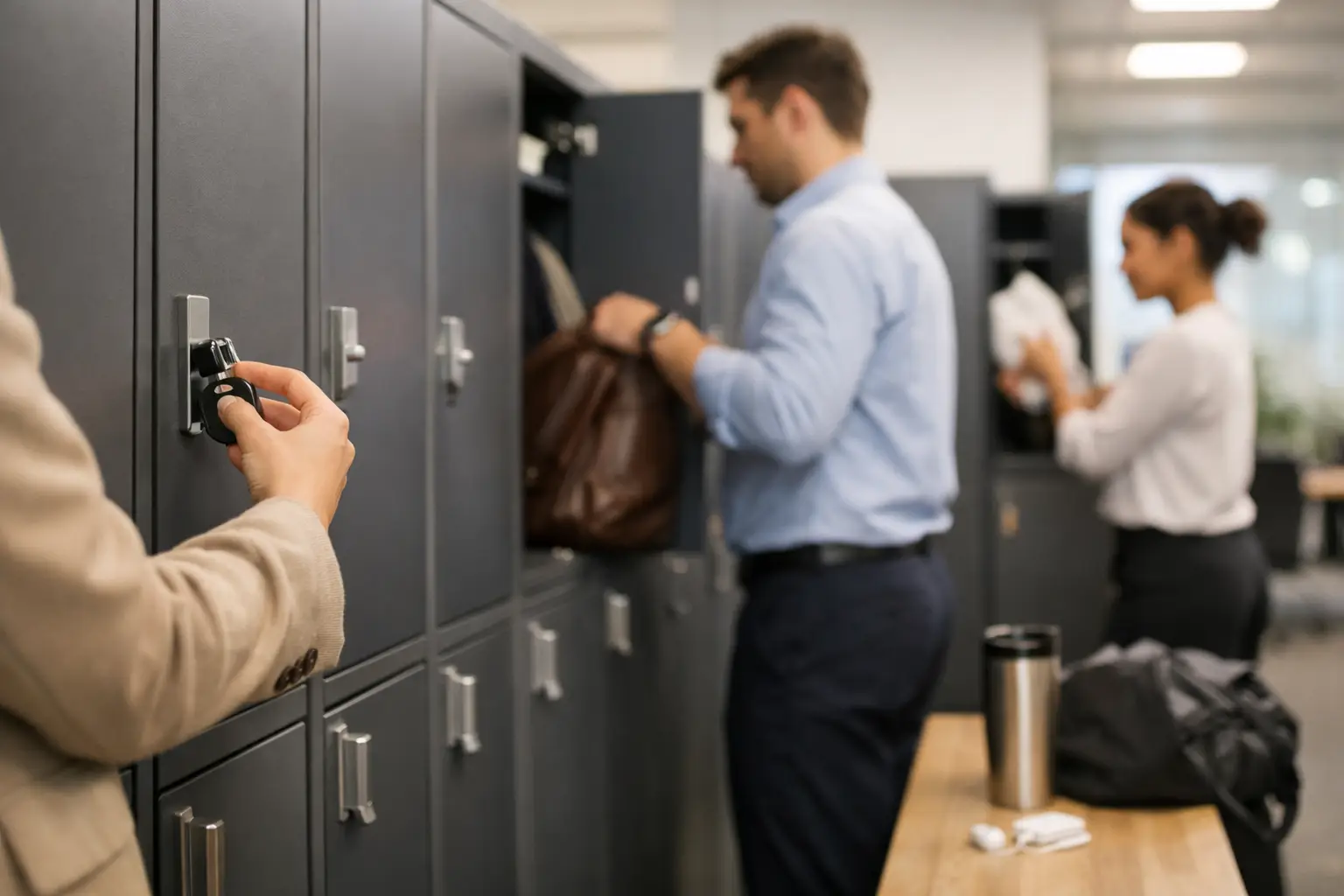
A locker door left open in a busy changing room can block an aisle, expose personal belongings, and delay the next shift. A name label that stays on an unused locker can create the same problem more quietly. Locker etiquette for shared spaces is not simply a matter of good manners. It is an operational standard that affects safety, privacy, space utilization, and the useful life of workplace storage.
For facility managers, the goal is clear: give people reliable personal storage while keeping the locker area clean, fair, and easy to manage. That requires practical user rules, a clear allocation process, and locker specifications suited to the actual environment.
Why Shared Locker Areas Need Clear Rules
Shared locker rooms are used by people with different schedules, roles, and expectations. In a warehouse, employees may need quick access to PPE and personal items before a shift. In an office, lockers may support hybrid work and daily desk sharing. In a school, gym, healthcare facility, or construction site, traffic can be heavier and storage needs more varied.
Without defined expectations, small issues accumulate. Lockers become long-term storage for forgotten items. Aisles fill with bags and shoes. Users force doors that are already assigned, or leave valuables in unlocked compartments. Cleaning teams cannot access areas efficiently, and facility teams spend time resolving avoidable disputes.
Good etiquette protects the user as much as the facility. It sets boundaries around personal space while making it clear that the locker system serves the whole workplace, not one individual indefinitely.
Locker Etiquette for Shared Spaces: Core Expectations
The most effective rules are short, visible, and consistently enforced. They should be posted at the locker bank and included in employee onboarding, site induction, or membership information. Vague guidance such as “keep the area tidy” is rarely enough. Users need to know what tidy looks like in practice.
Use Only Your Assigned or Approved Locker
A locker should be used only when it has been assigned, reserved through the site’s process, or designated for day use. Users should not occupy empty lockers without approval, move another person’s belongings, or treat a temporary locker as permanent storage.
This is especially relevant in flexible workplaces. Day-use lockers support higher utilization, but only when users clear them at the end of the day. Permanent assignment may be the better option for shift workers, staff who carry uniforms or PPE, and roles that require regular equipment storage. The right policy depends on the operation, but the allocation method should always be unmistakable.
Keep Personal Items Inside the Locker
Bags, clothing, footwear, helmets, and loose equipment should stay inside the assigned compartment. Leaving items on benches, on top of lockers, or in aisles creates trip hazards and makes cleaning more difficult. It can also create confusion about ownership.
If standard locker dimensions cannot accommodate the items employees must store, etiquette alone will not solve the problem. Facility teams may need larger compartments, garment-hanging options, boot storage, or separate equipment lockers. Storage rules must match the physical capacity of the installation.
Close and Lock the Door Every Time
Users should fully close the door after each use and secure personal belongings with the approved lock or locking system. A door that is only partly latched can be damaged when another user walks past or attempts to close it. It also signals that the locker may be available, which can lead to disputes.
Facilities should clarify whether users provide their own padlocks, receive assigned keys, or use integrated combination, RFID, or electronic locks. Each approach has trade-offs. Padlocks offer flexibility but can be forgotten or left behind. Centralized electronic access can simplify administration, though it requires a defined process for credentials, power, and maintenance.
Respect Privacy and Personal Boundaries
A locker is shared infrastructure, but its contents are personal. Users should not open, inspect, borrow from, or rearrange another person’s locker. Even when a compartment appears unused, staff should follow the approved clearance procedure rather than making assumptions.
Privacy also applies to the locker room itself. Avoid blocking someone’s access, standing directly in front of an open locker when space is limited, or discussing another person’s belongings. These standards are particularly valuable in changing areas, healthcare settings, and workplaces with diverse teams.
Leave the Space Ready for the Next User
The shared area should be left in the condition the next person needs: doors closed, benches clear, waste removed, and floors free of loose belongings. Food should not be stored unless the facility specifically permits it. Wet clothing, contaminated PPE, chemicals, and sharp items require separate procedures and suitable storage equipment.
A locker bank is not a general disposal area. If an item needs drying, charging, decontamination, or controlled access, it should be placed in a purpose-built area. Charging lockers, ventilated PPE lockers, and chemical storage cabinets each address needs that a standard personal locker should not be expected to handle.
Responsibilities for Facility Managers
Users need clear expectations, but the facility also has responsibilities. Shared storage works best when the operating policy is supported by the layout, the product specification, and routine management.
Start by defining who needs a locker, what they need to store, and for how long. A corporate office with rotating attendance may need a large number of compact day lockers. An industrial site may require fewer but larger, heavy-duty units with ventilation, sloping tops, and separate clean and dirty storage. A school may prioritize high capacity and easy identification. The selection should follow the workflow, not just the available wall space.
Labeling matters. Number every compartment clearly and use a documented assignment register where lockers are allocated to individuals. For short-term use, a booking process or electronic lock with automatic release can reduce abandoned occupancy. Clear identification also makes maintenance reporting faster when a door, hinge, lock, or ventilation opening needs attention.
Cleaning and inspection should be scheduled rather than reactive. Regular checks can identify unclaimed lockers, damaged doors, unauthorized locks, spills, and blocked aisles before they become larger problems. Employees should know how much notice will be given before any locker is opened for inspection or clearance, except where immediate safety or security concerns apply.
Create a Fair Process for Unclaimed Lockers
Every shared locker program needs a documented process for lockers that appear abandoned. Without one, managers risk inconsistent decisions and unnecessary conflict.
A practical approach is to identify the locker, provide written notice, give the user a reasonable deadline, and record the action taken. If the locker remains unclaimed, an authorized staff member can open it according to company policy, inventory its contents, and store those contents securely for a stated retention period. Personal data and sensitive belongings should be handled discreetly.
The notice period should reflect the setting. A day-use locker may be cleared overnight. A permanently assigned locker generally requires more time and direct communication. In unionized, regulated, healthcare, or educational environments, local policies and legal requirements may set additional rules. Facility teams should align locker procedures with HR, security, and site management before enforcement begins.
Design Choices That Support Better Behavior
People are more likely to follow locker etiquette when the equipment is easy to use and built for the environment. Doors should open without obstructing key walkways. Compartments should be sized for the actual items stored. Durable powder-coated metal construction, reliable hinges, and secure locking options help reduce damage and repeated maintenance calls.
Ventilation can be essential where uniforms, footwear, or PPE are stored. Benches give users a practical place to sit while changing, but they should be positioned to preserve circulation space. In wet or high-cleaning environments, raised bases or suitable plinth arrangements can make floor cleaning easier. For higher security needs, lock type, door strength, and controlled access should be assessed together rather than treated as separate purchasing decisions.
Loxmet supports this approach with heavy-duty metal locker configurations designed around workplace requirements, from personal storage and PPE use to charging and controlled-access applications.
Make Etiquette Part of Daily Operations
Rules only work when they are visible and applied consistently. Keep signage concise. Explain the policy during onboarding. Give supervisors a simple escalation route for blocked access, lost keys, damaged locks, or unclaimed compartments. Most importantly, review the locker area after the first few weeks of use. Repeated clutter, lockouts, or overcrowding usually point to a capacity or process problem, not just poor user behavior.
A well-managed locker area sends a practical message: personal belongings are respected, shared space is protected, and the facility is ready for the people who rely on it every day.