
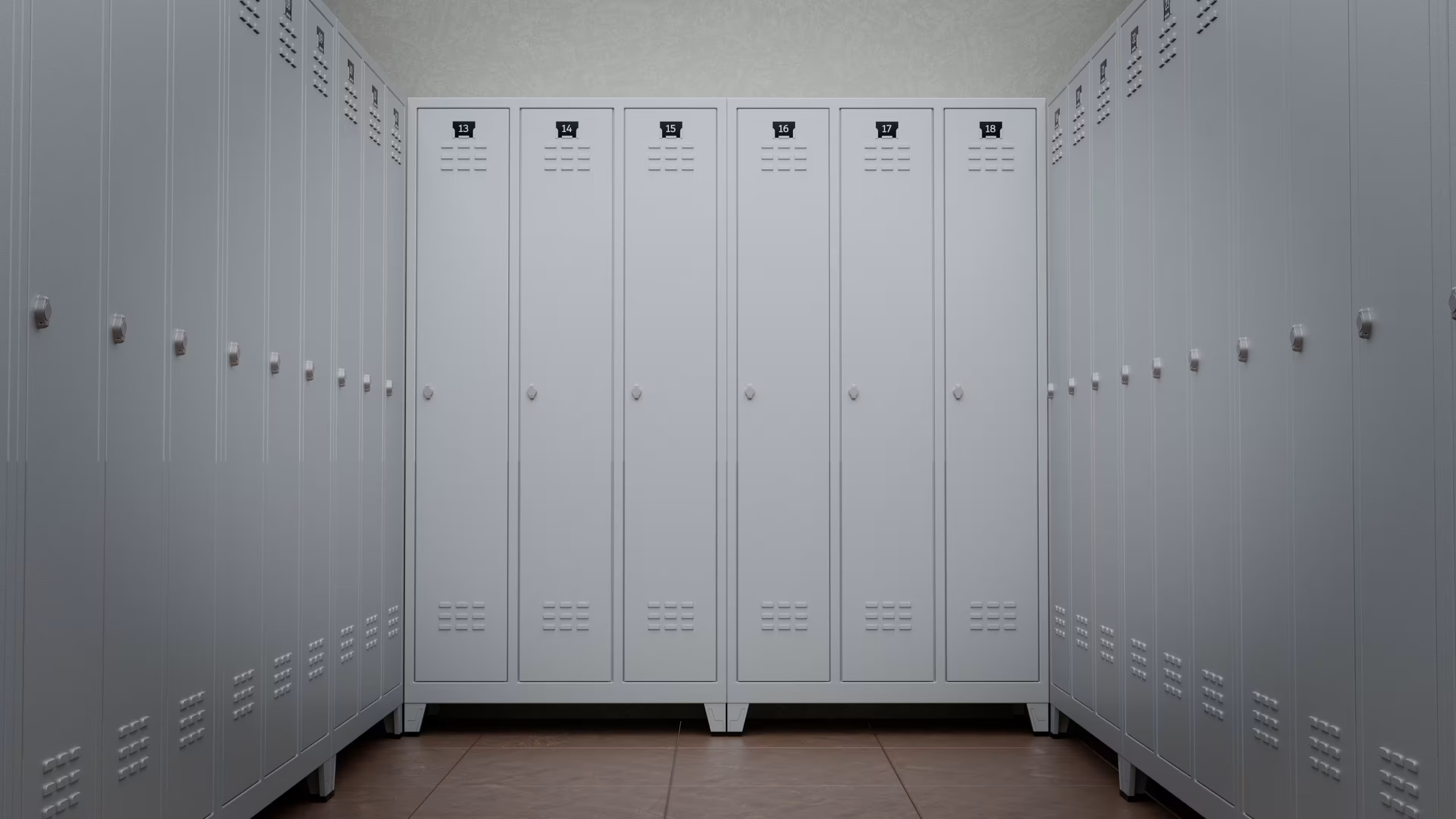
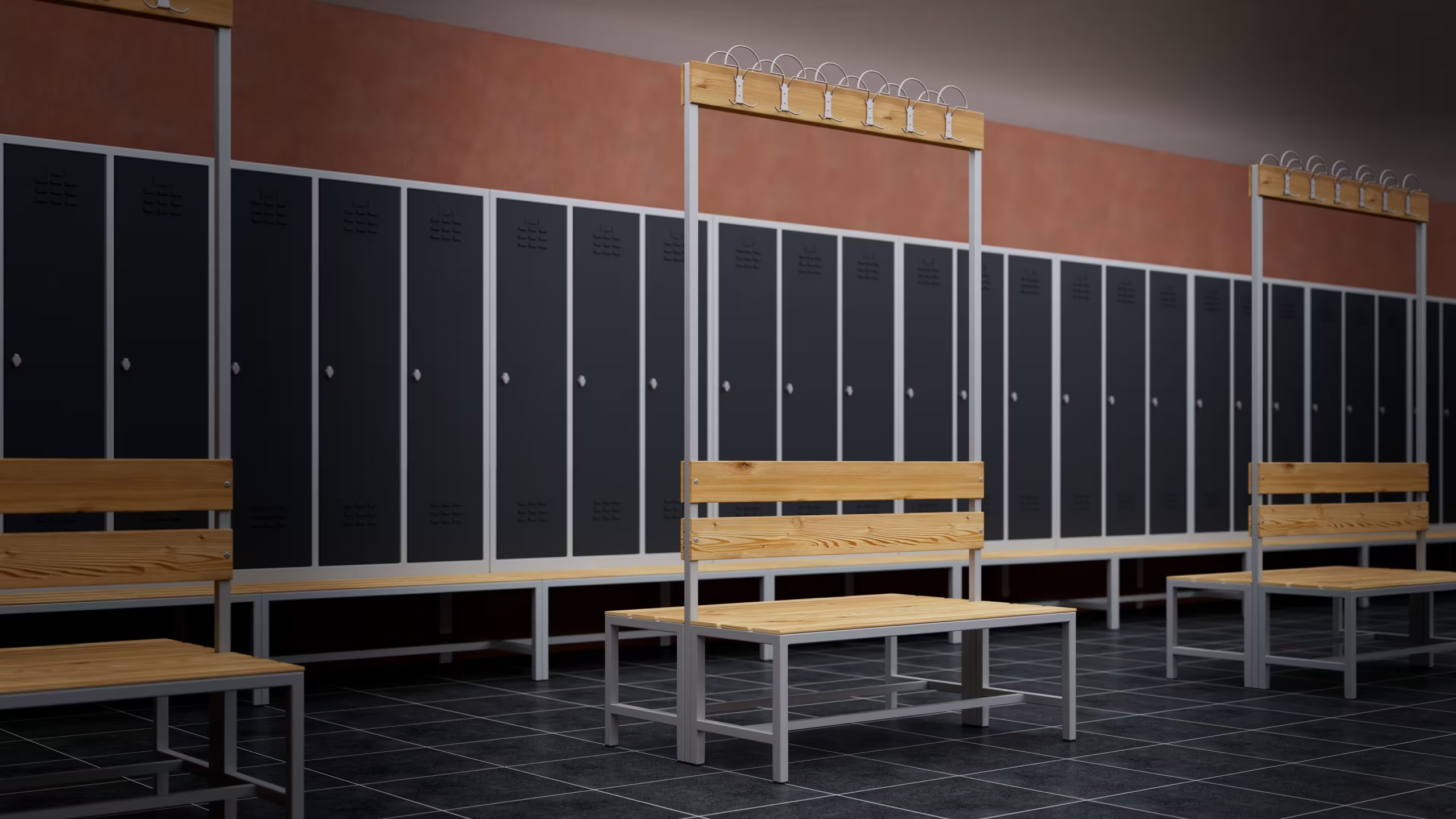
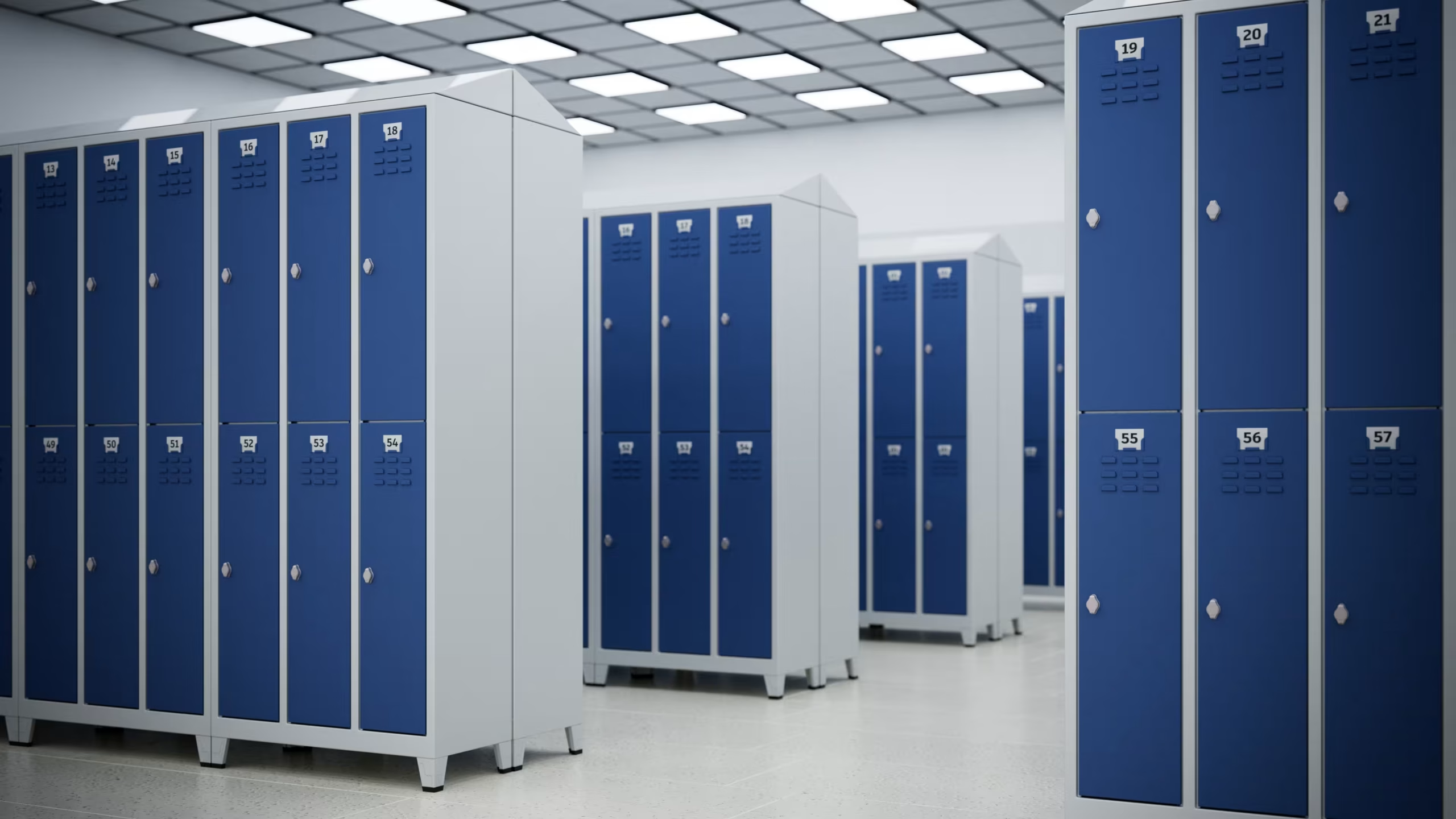
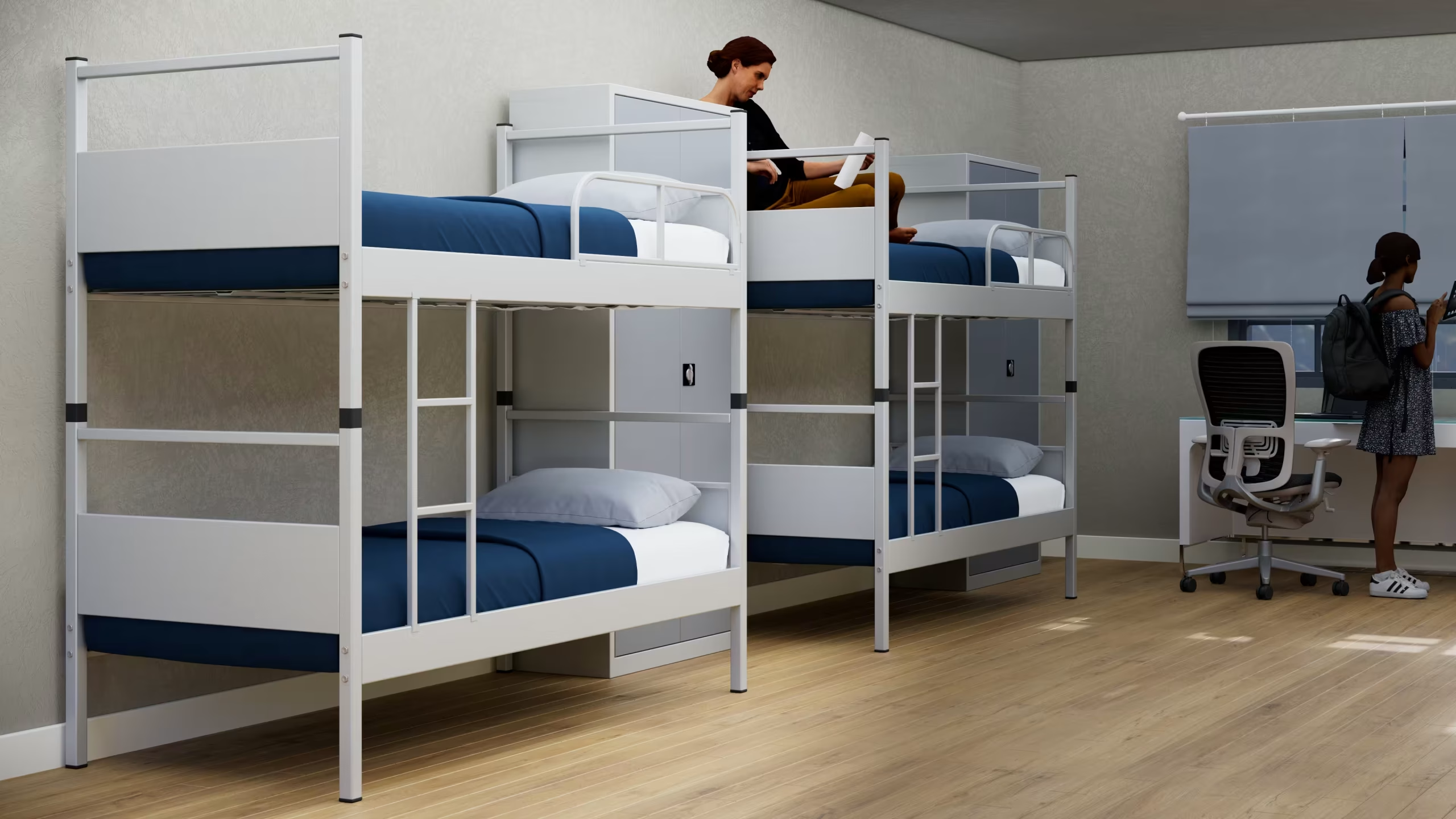
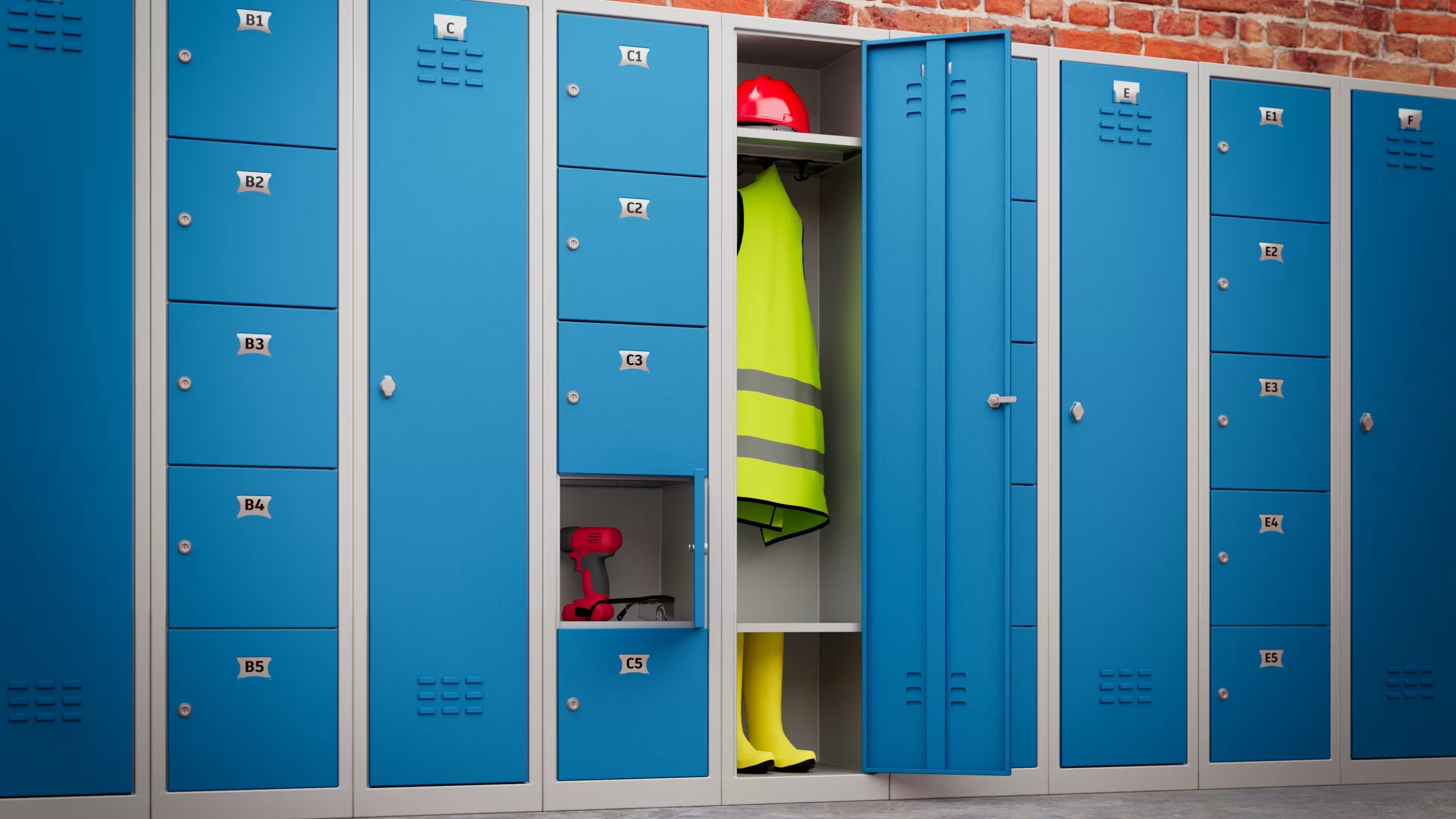
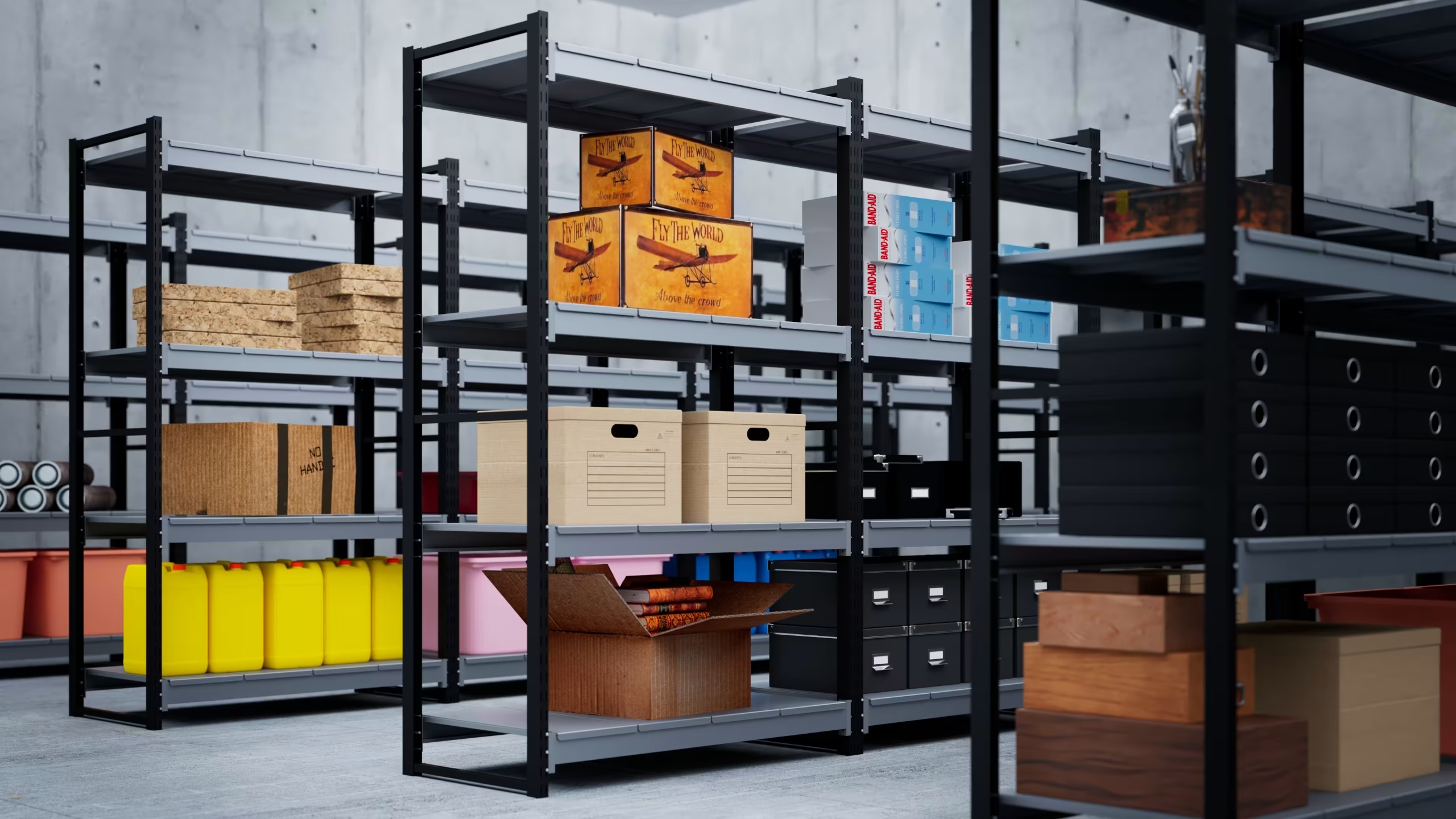
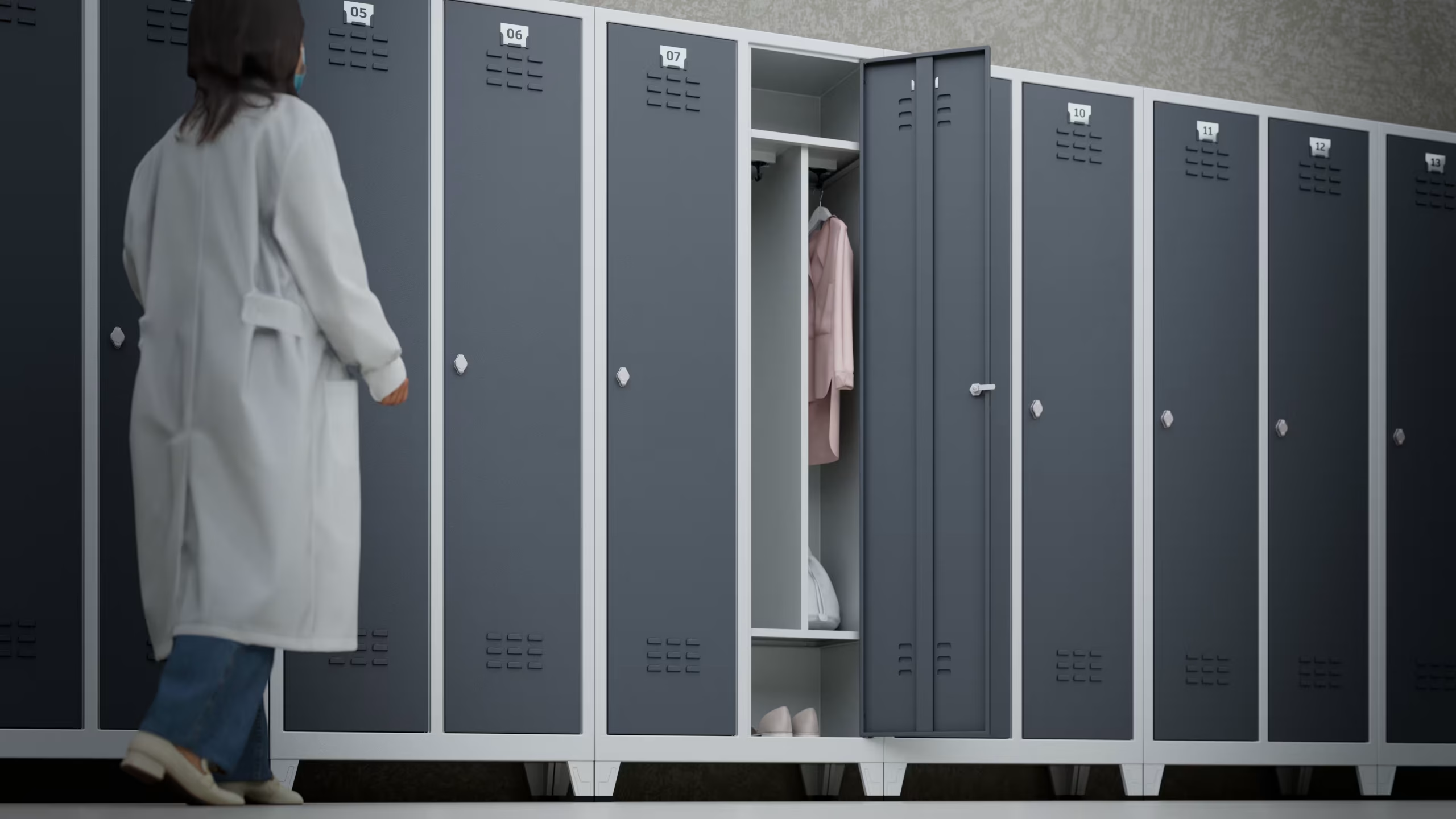
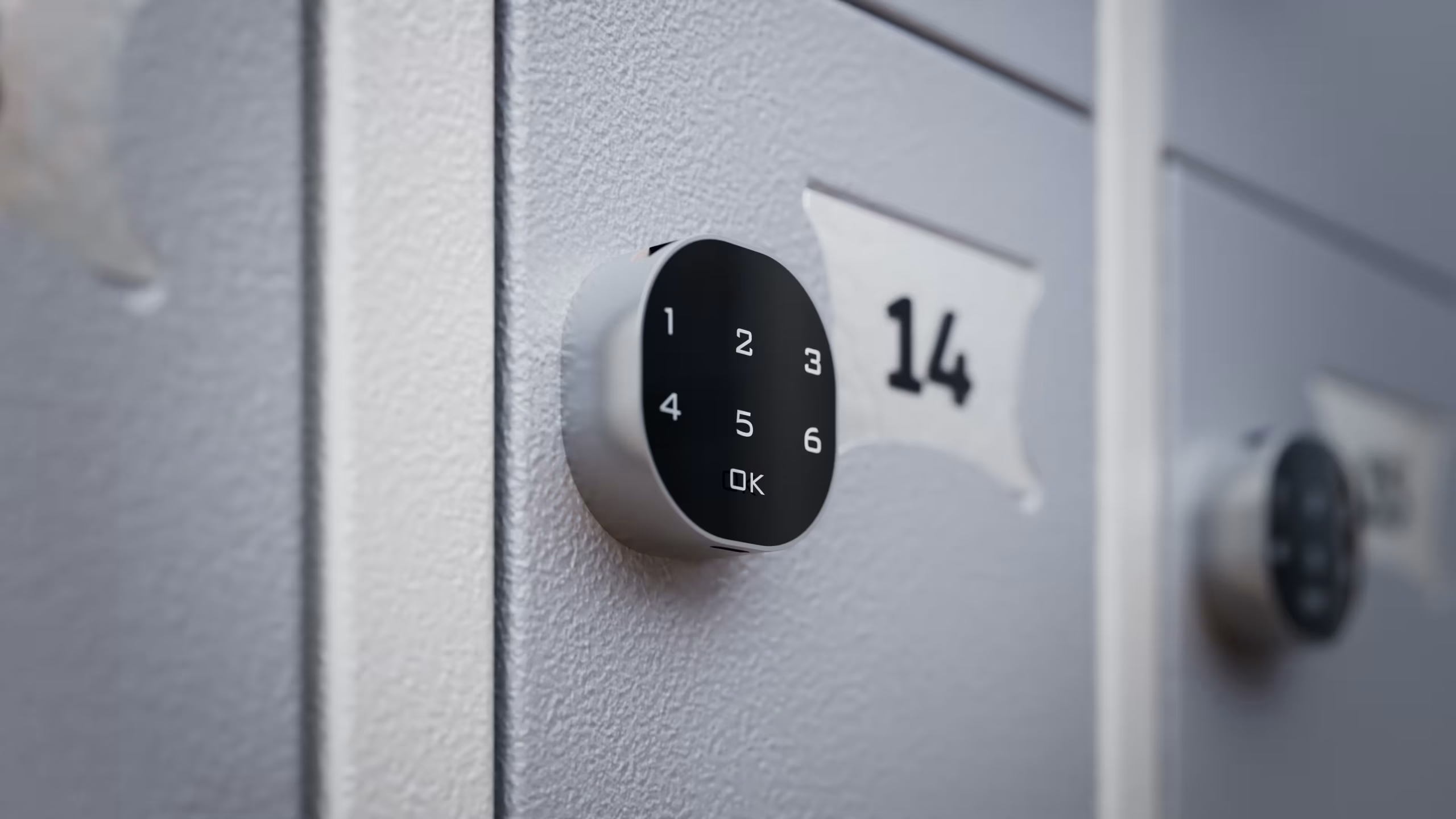

A locker order usually looks simple on paper until the real conditions show up. Wet zones, charging needs, PPE separation, narrow corridors, aggressive cleaning routines, and rollout deadlines can turn a standard product into a poor fit fast. That is where a custom locker manufacturer becomes a practical advantage, not an extra.
For procurement teams, facility managers, and distributors, the decision is less about appearance and more about operational match. The right manufacturer can adapt dimensions, compartment layouts, locking options, ventilation, and material details to suit the site. The wrong one leaves you managing workarounds, complaints, and replacement costs long after installation.
A custom locker manufacturer does more than change color or add a logo. Real customization starts with how the locker will be used, who will use it, and what the environment demands. In a school, that may mean compact footprints and high user turnover. In an industrial facility, it may mean dirty-clean separation, reinforced doors, sloped tops, and heavy-duty hinges. In an office or university setting, the requirement may shift toward personal storage combined with device charging and controlled access.
This distinction matters because many suppliers offer limited modification, while only a few are set up to engineer and produce lockers around operational requirements. Buyers should know the difference early. Cosmetic changes are easy. Structural changes, internal configurations, and project-specific fabrication require a stronger manufacturing base.
A capable manufacturer should be able to discuss steel thickness, door reinforcement, ventilation strategy, lock compatibility, corrosion considerations, and installation constraints without turning the conversation into guesswork. That level of detail usually signals that the company builds for long-term use rather than short-term sale.
Standard lockers have a clear place. They are faster to quote, easier to compare, and often the best option when the application is straightforward. If a buyer needs a common size for a dry indoor staff area, standard production may be the most efficient route.
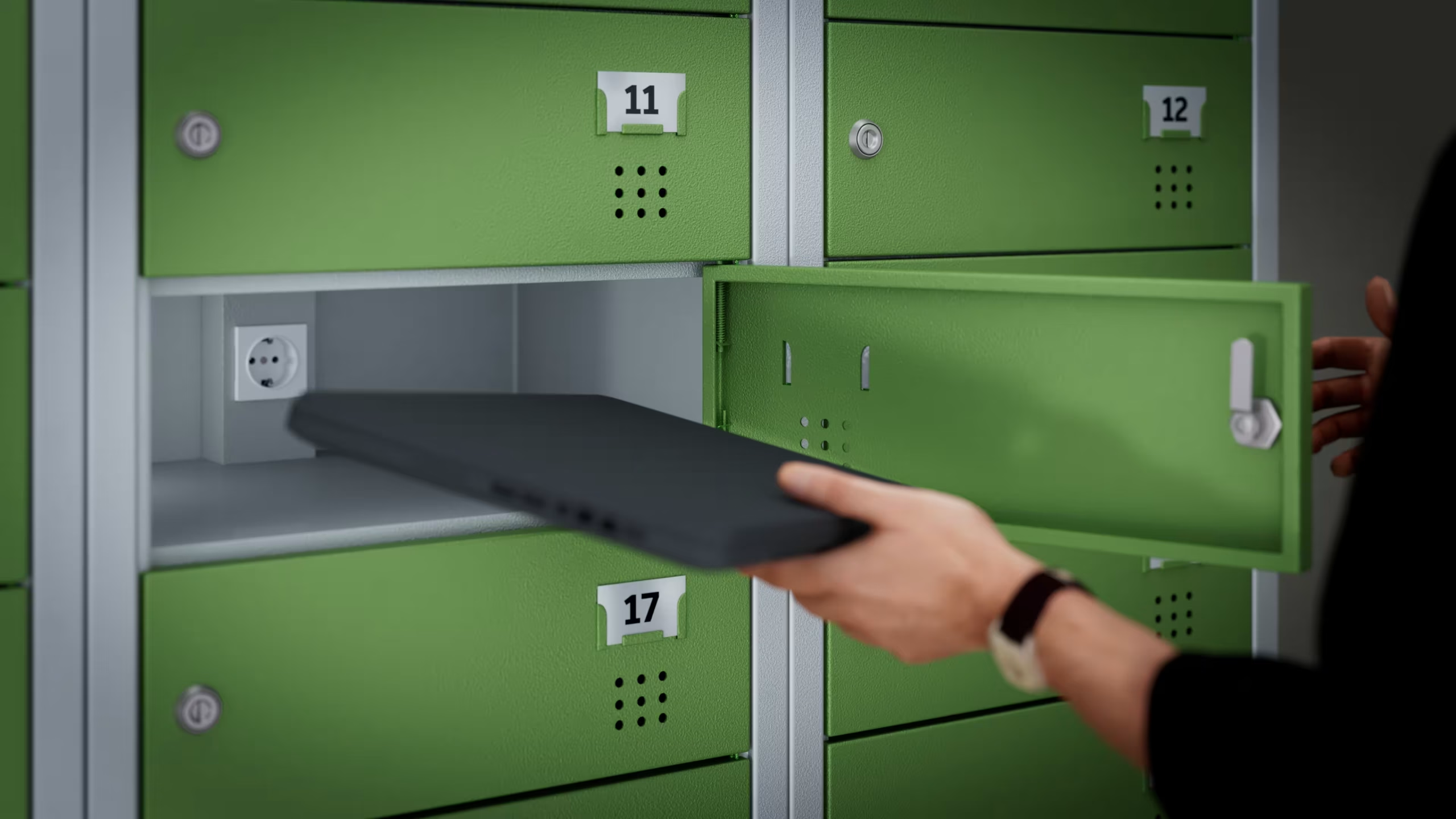
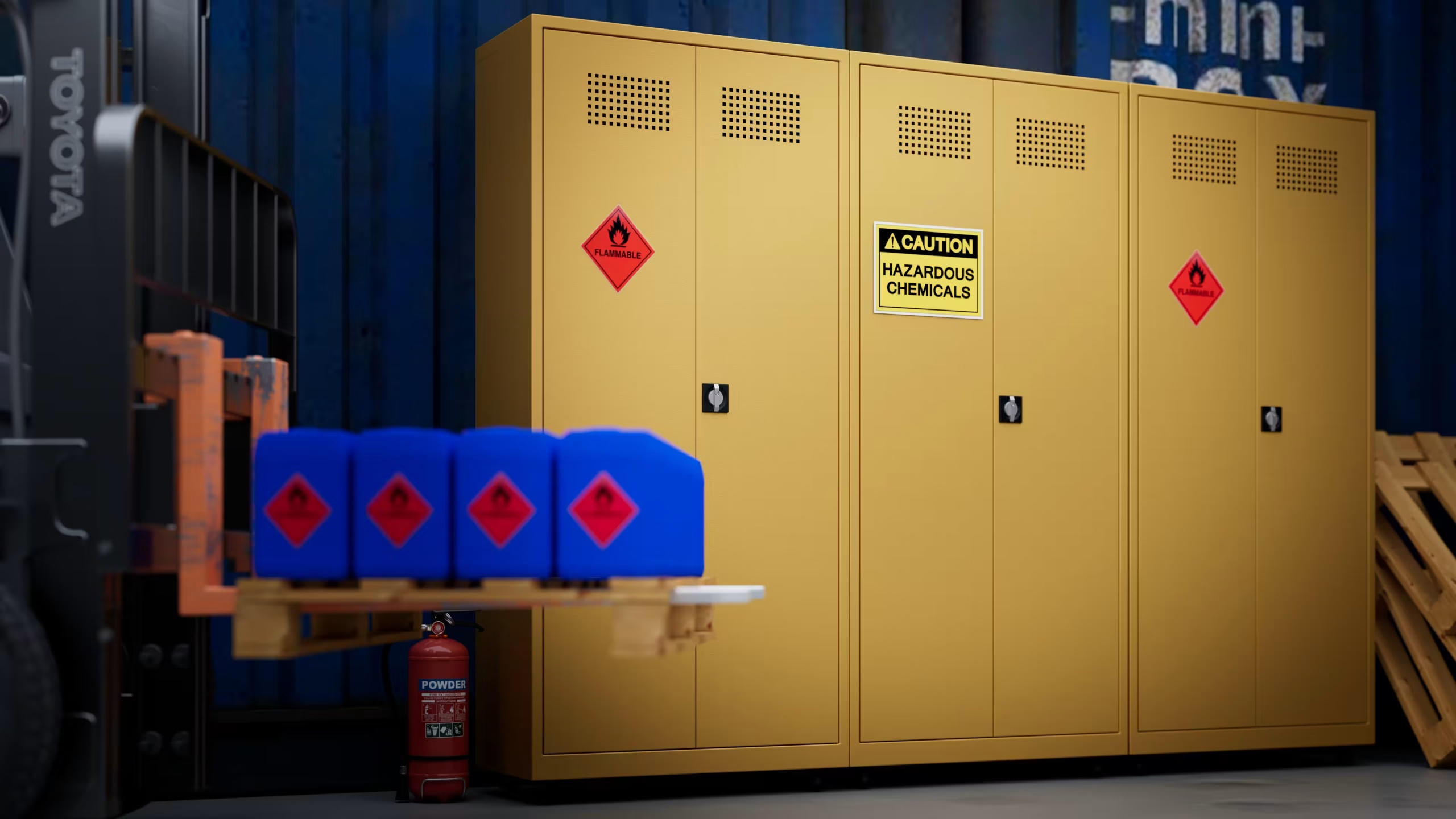
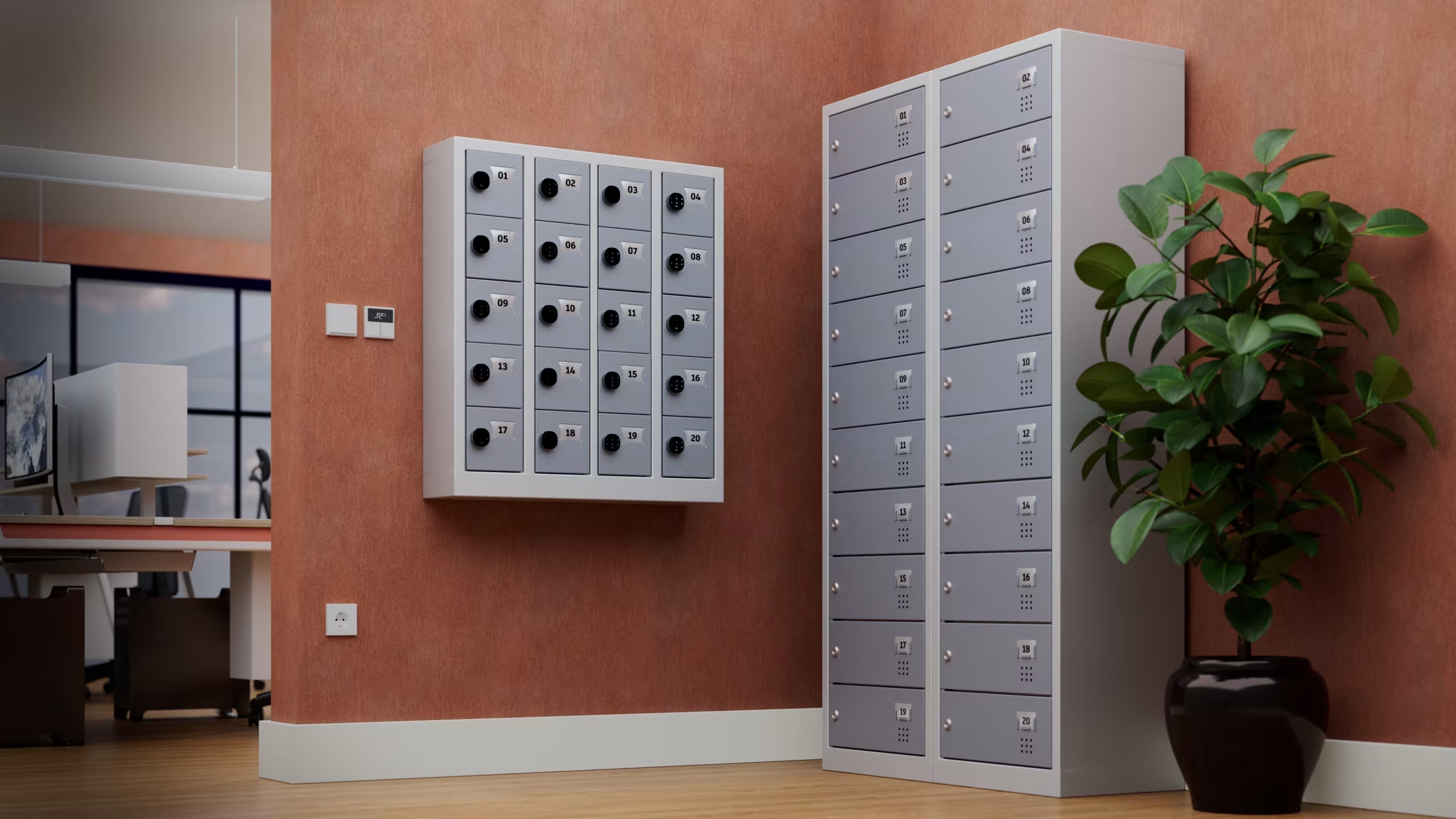
Custom production makes more sense when the facility has unusual dimensions, a mixed user base, or compliance-driven storage needs. Charging lockers are a good example. Power integration, cable management, heat control, and door access all need to work together. Chemical storage is another. Ventilation, compartment separation, and hazard-related design details cannot be treated as optional extras.
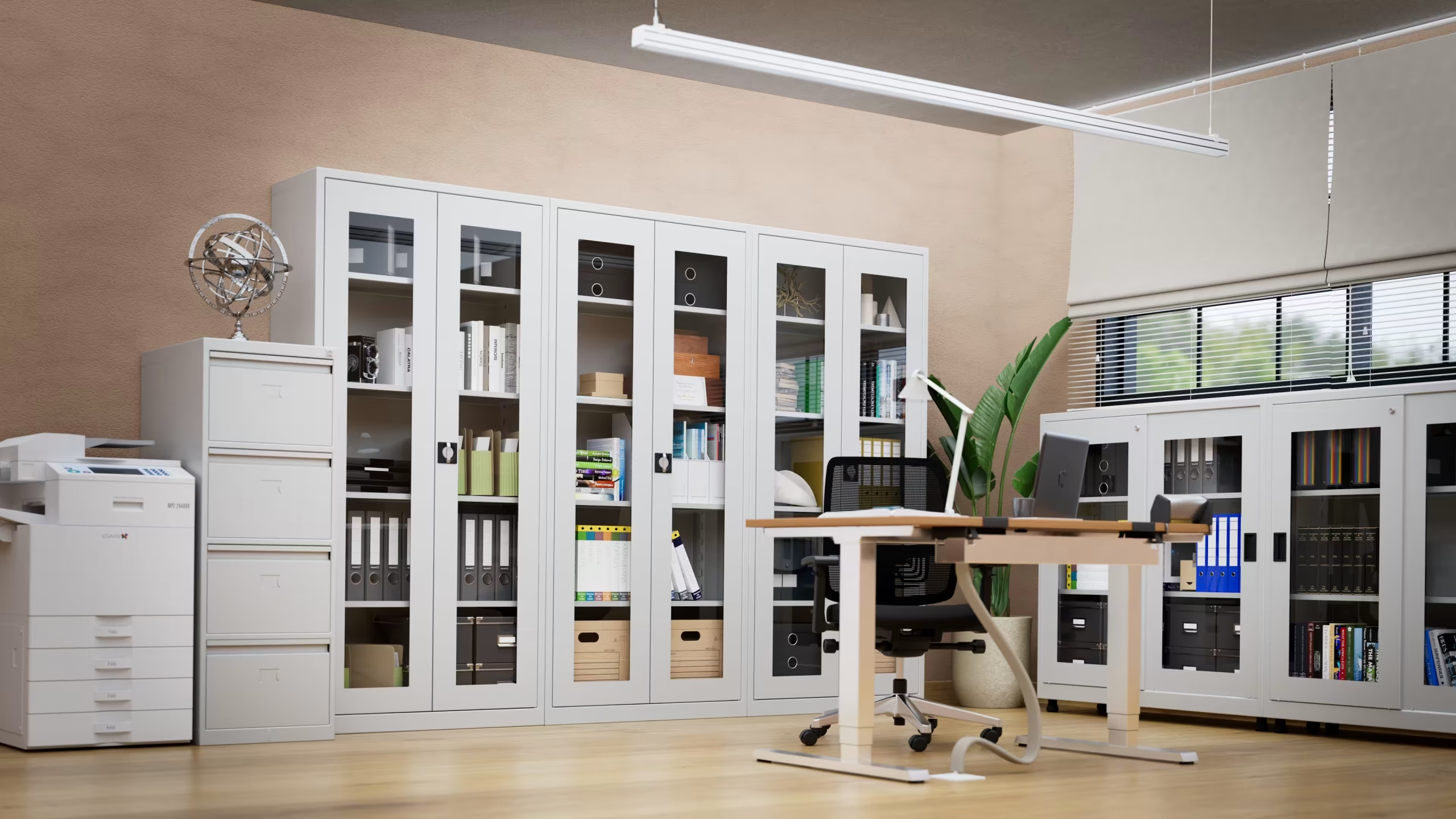
The same applies when a project requires consistency across several storage categories. A manufacturer with a broad metal furniture range can often align lockers, cabinets, shelving, and benches within one project. That reduces sourcing friction and creates a cleaner specification process for buyers managing multiple spaces.
The first question is not price. It is capability. Can the manufacturer produce at the level your site requires, and can they do it consistently across the order? A low quote loses value quickly if quality varies from batch to batch or if the design changes during production because the supplier cannot execute the original specification.
Start with materials and construction. Ask how the lockers are built, what steel grades and thicknesses are used, how doors are reinforced, and how the finish performs under daily wear. Powder coating quality, weld consistency, and edge finishing are not minor details in high-traffic environments. They shape service life.
Then assess engineering flexibility. Some projects need small adjustments, such as lock type changes or alternative dimensions. Others require a new compartment layout, integrated charging, extra ventilation, label holders, or a bench base. A manufacturer that handles both standard and custom work is often better positioned here because it can balance speed with adaptation.
Lead time is the next issue. Custom work always requires planning, but that should not mean vague scheduling. A dependable supplier should explain what can ship quickly from standard production and what requires additional manufacturing time. Buyers need realistic timing, especially when lockers are part of a larger fit-out or operational opening.
Finally, look at order flexibility. Not every project starts with a large volume. Pilot programs, phased installations, and distributor sampling often begin with smaller quantities. A manufacturer that supports low minimums while maintaining industrial quality gives buyers more room to test, scale, and standardize over time.
Locker customization works best when the buyer and manufacturer define the use case clearly. Size is one variable, but internal function usually matters more. A full-height employee locker serves a different purpose than a multi-door charging locker or a PPE unit with separated compartments.
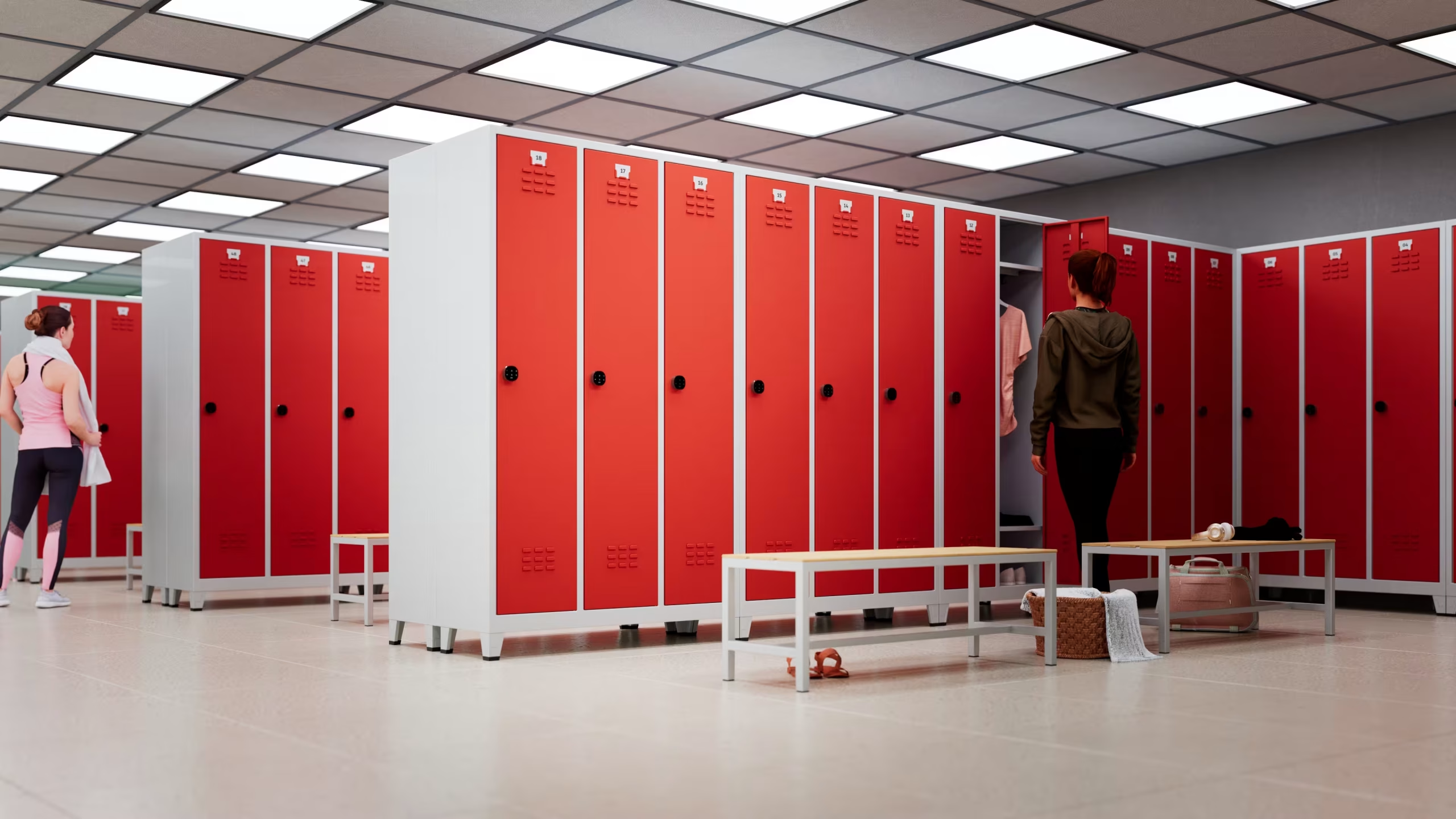
Door configuration is often the first major decision. More doors increase user density but reduce personal storage volume. That can work well in schools, gyms, and short-duration use areas. Fewer doors provide more capacity and are usually better for workplaces where users store uniforms, bags, footwear, or equipment.
Locking method should follow the operating model. Padlock hasps remain common because they are simple and cost-effective. Cam locks suit managed environments. Digital and electronic options can make sense for shared-use or high-turnover sites, but they add cost and maintenance considerations. The best choice depends on who controls access and how often occupancy changes.
Ventilation is another detail that gets underestimated. In dry office settings, standard airflow may be enough. In industrial, fitness, healthcare, or PPE applications, better ventilation can improve hygiene and reduce odor buildup. If users store damp items, workwear, or gear, compartment airflow should be addressed early in the design.
The same practical thinking applies to accessories. Sloped tops support easier cleaning. Perforated doors improve airflow and visibility. Label holders simplify user assignment. Integrated benches help locker room organization. None of these features are universal requirements, but each can solve a real operational issue.
For commercial buyers, supplier reliability is tied directly to manufacturing depth. A project may need repeat orders months later, dimensional consistency across sites, or coordinated production across several metal storage categories. That is difficult to manage if the supplier depends heavily on outsourcing or offers customization only through ad hoc modifications.
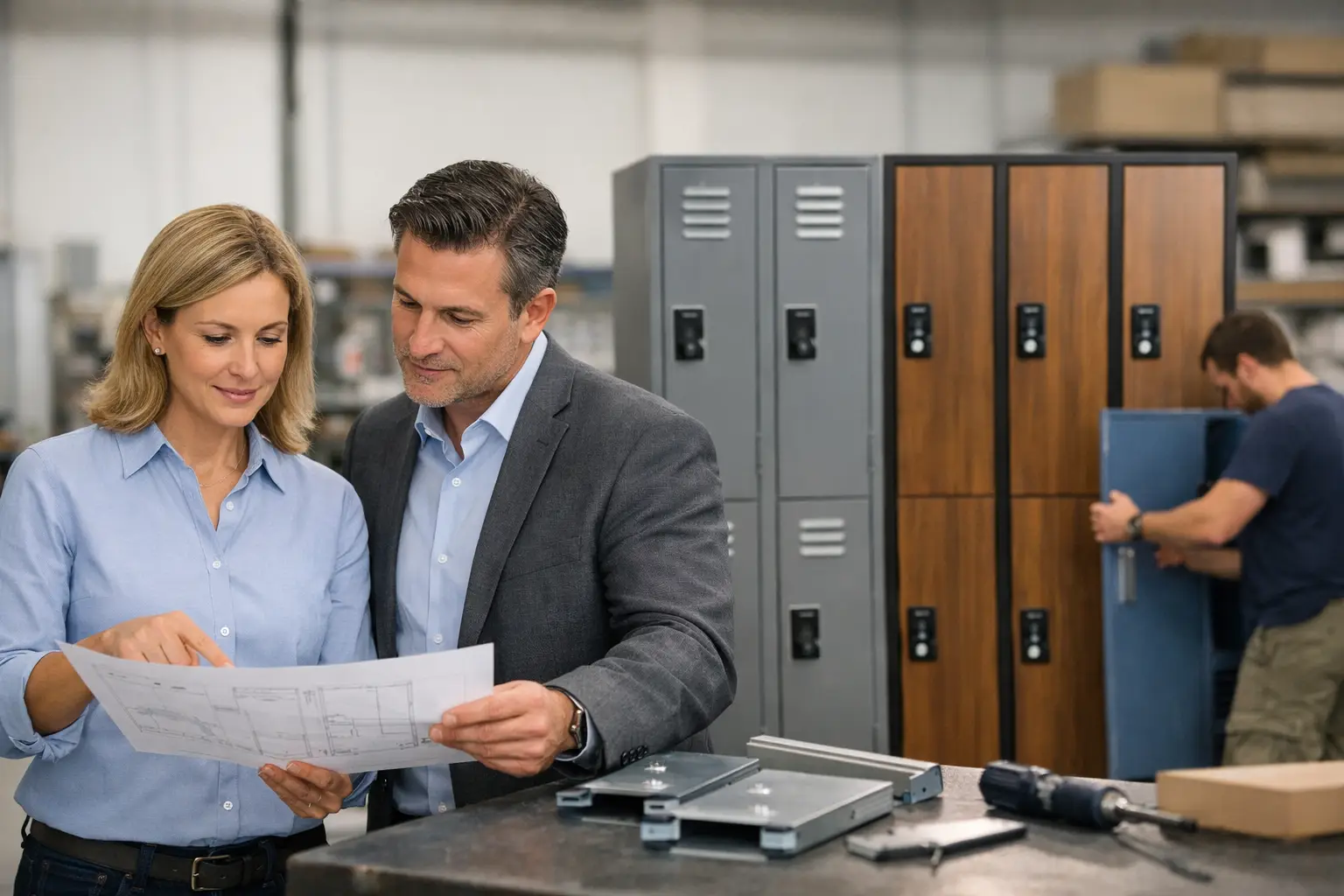
A manufacturer with established production capability can usually provide better control over tolerances, finish quality, and schedule. That matters for distributors building a repeatable product line and for institutional buyers who want standardization across facilities. It also improves communication. When the production team understands the design request directly, approvals tend to move faster and technical issues are easier to resolve.
This is where a company such as Loxmet fits the needs of many international buyers. A broad catalog supports fast selection when standard products are suitable, while custom metal fabrication provides room to adapt lockers to specific workplace requirements. That combination is useful because not every project needs a fully custom build, but many need more than an off-the-shelf option.
Customization improves fit, but it also introduces decisions that affect budget and timing. More complex door layouts, integrated electrical components, special dimensions, and non-standard locking systems can extend production time and increase unit cost. That does not make them poor choices. It just means the return should be measured against function, durability, and reduced compromise on site.
There is also a balance between standardization and optimization. A fully tailored locker may perform perfectly in one facility but be harder to duplicate across a wider rollout. In contrast, a lightly modified standard platform may deliver enough customization while keeping future procurement simpler. For buyers managing multiple locations, that trade-off is worth discussing before the design is finalized.
Experienced manufacturers do more than produce lockers. They help prevent specification mistakes. Common issues include lockers that do not fit access routes, compartments too small for actual user items, insufficient ventilation, weak locking arrangements, and finishes that wear too quickly in demanding environments.
The best suppliers ask practical questions early. What is being stored? How often is the locker used? Is the area dry, humid, or exposed to harsh cleaning routines? Is the project single-site or repeatable across locations? These questions may seem basic, but they usually determine whether the final product works well for years or becomes a problem after the first season of use.
A custom locker project should feel controlled from the first discussion. Clear specifications, realistic production planning, durable materials, and consistent manufacturing are what buyers should expect. If those elements are missing, customization becomes risk rather than value.
Choosing the right manufacturing partner is really about reducing compromise. When the locker matches the environment, the user, and the operating model, storage stops being a recurring issue and starts doing its job quietly every day.

