
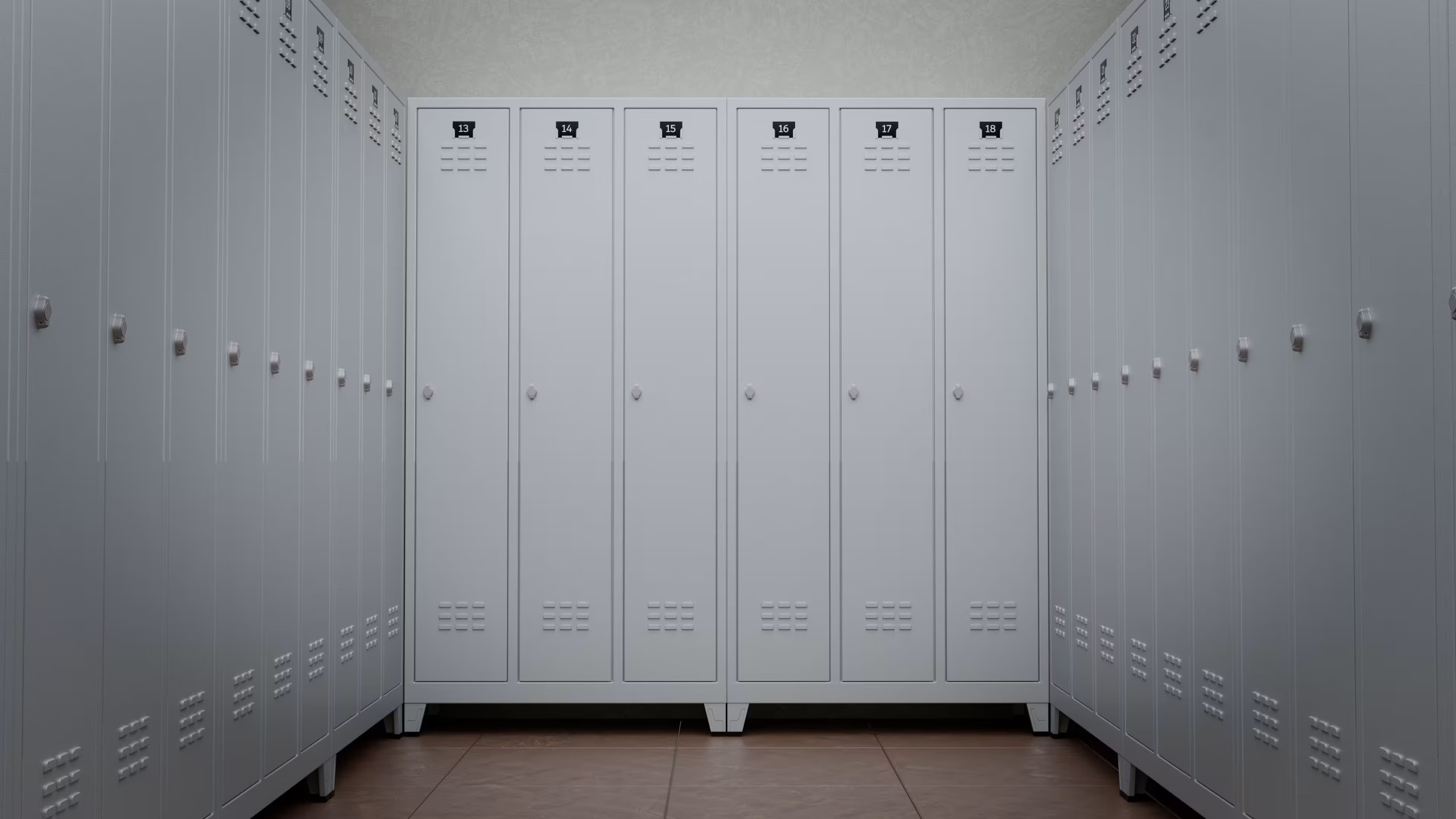
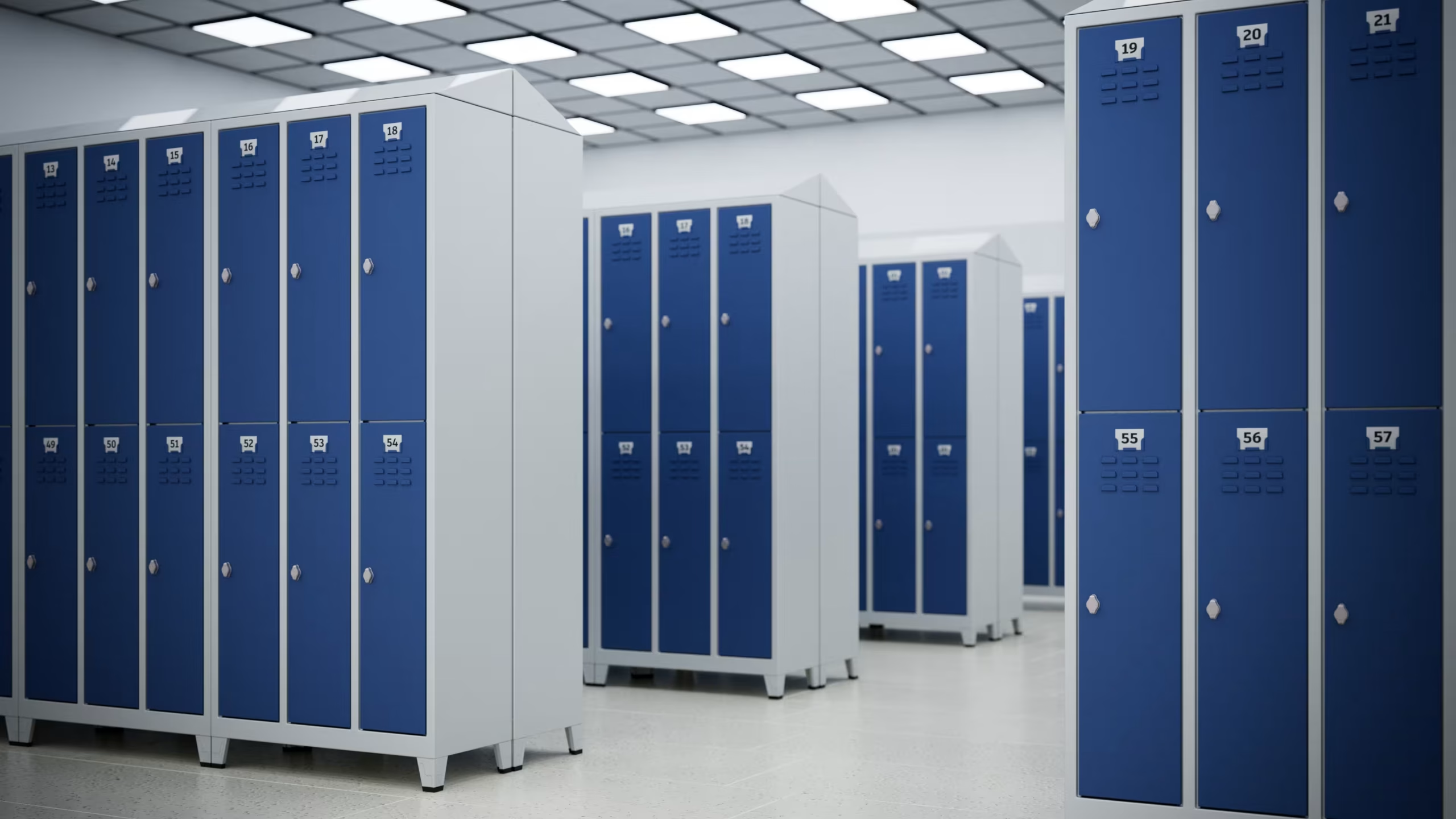
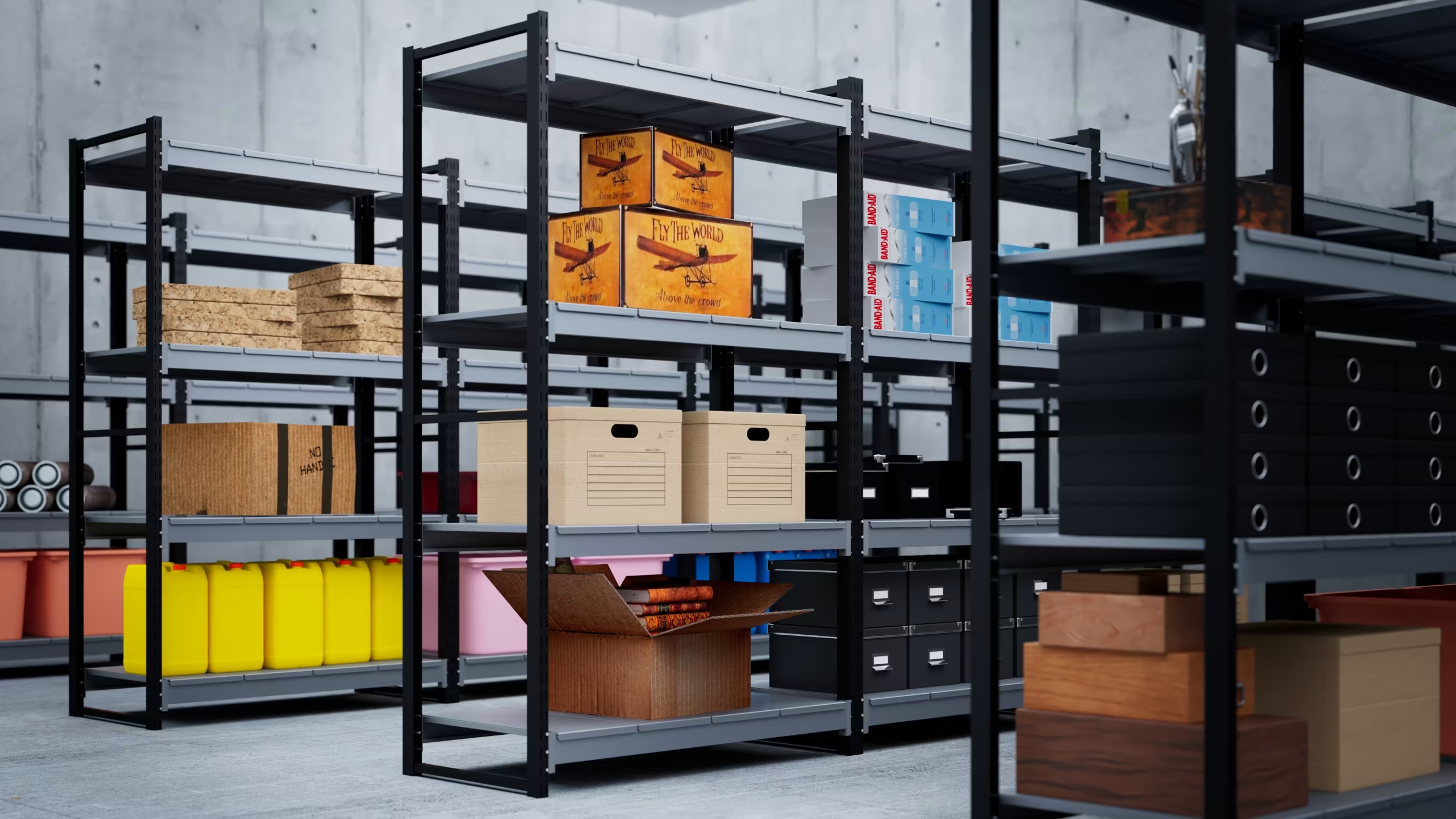
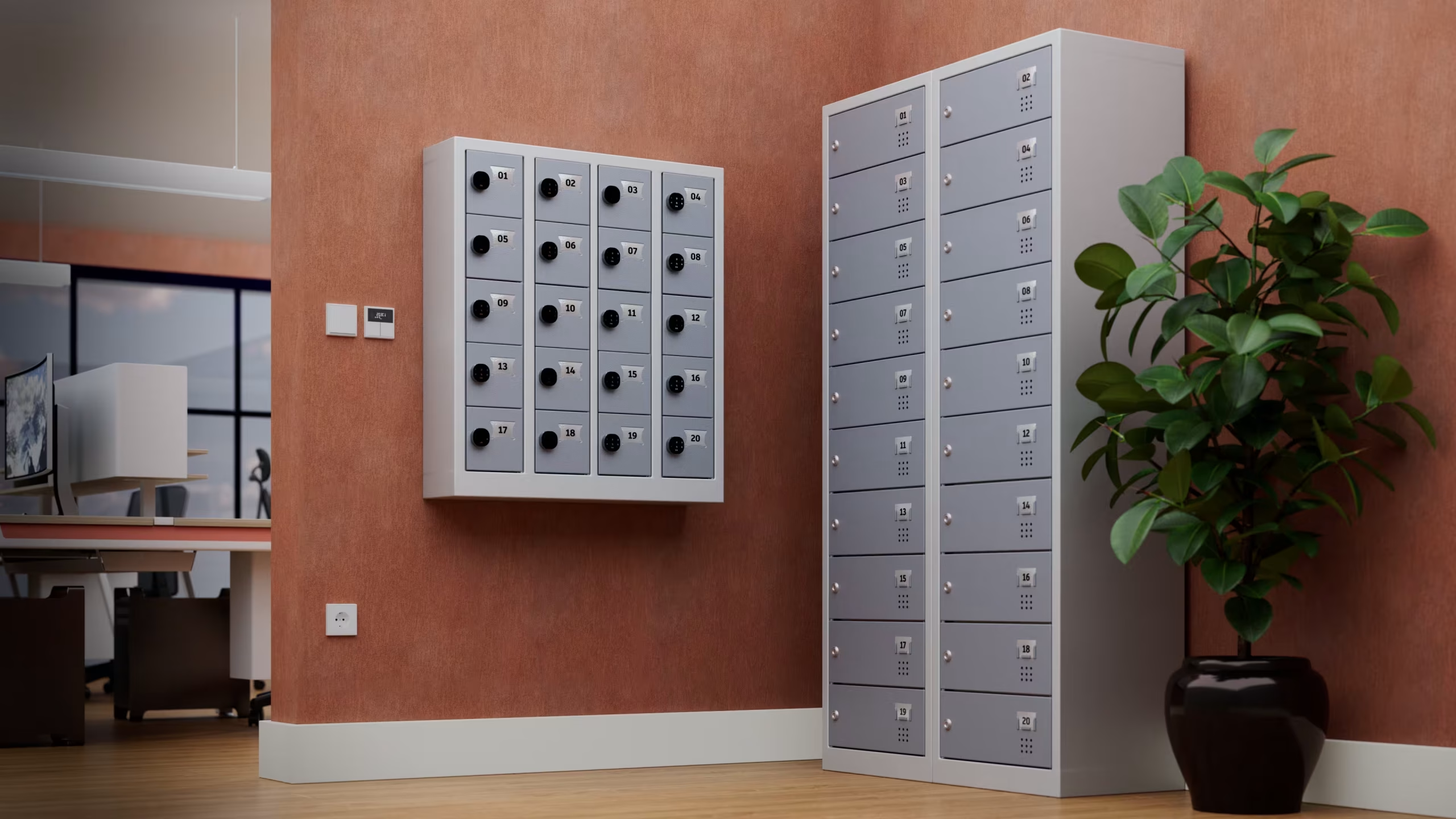


When gloves are mixed with personal items, clean gear is stacked beside used equipment, and replacement stock has no fixed location, PPE stops being easy to manage. PPE locker storage solutions solve a practical problem – they protect equipment, improve accountability, and make daily access faster for workers and supervisors.
For procurement teams and facility managers, this is not just about adding lockers to a changing area. The right setup affects hygiene, workflow, inventory control, and how well a site supports compliance. In industrial plants, healthcare settings, laboratories, logistics hubs, and maintenance operations, storage needs vary widely. That is why locker selection should start with the work environment, not with a generic cabinet specification.
PPE has a short list of jobs: protect the worker, stay in usable condition, and remain available when needed. Poor storage makes all three harder. Helmets get crushed, respirators collect dust, clean garments are contaminated, and teams waste time looking for assigned gear.
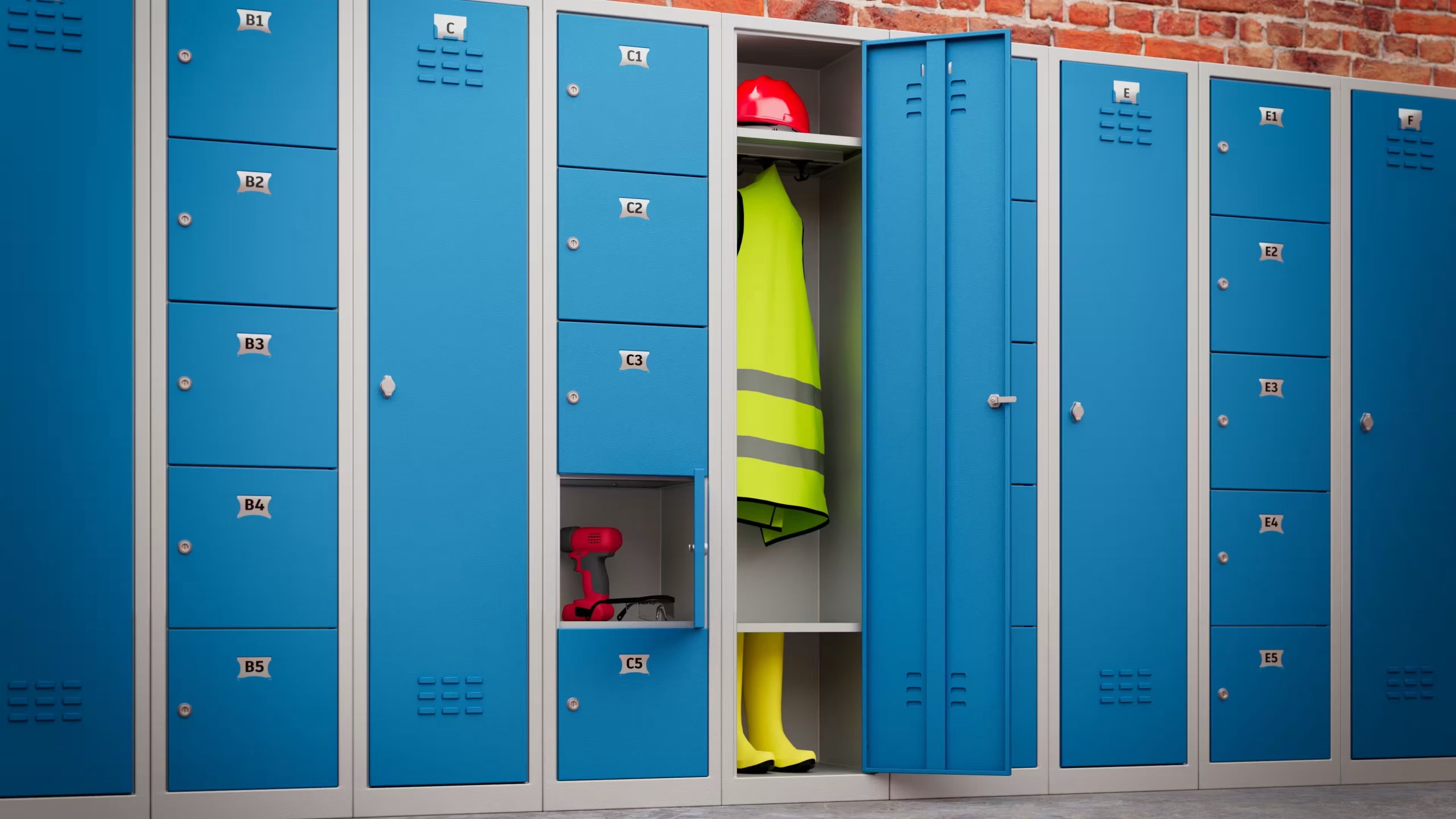
A dedicated locker system creates order. It gives each worker or work zone a defined space for helmets, gloves, masks, eyewear, footwear, and protective clothing. It also helps separate personal belongings from company-issued equipment, which is a common requirement in many facilities trying to keep locker rooms and production areas under control.
There is also a cost issue. PPE that is damaged by poor storage needs replacement sooner. If the site uses higher-value items such as face shields, respirators, arc-flash equipment, or reusable protective clothing, the loss adds up quickly. Good storage reduces avoidable wear and helps managers see what is actually being used.
The best PPE lockers are designed around actual use conditions. That usually means metal construction, practical internal layout, ventilation where needed, and dimensions that match the type of equipment being stored. A locker that works in a school staff room may not work in a fabrication plant or hospital support area.
Strength matters first. PPE lockers often sit in high-traffic spaces where doors are opened constantly, benches are dragged against frames, and moisture or cleaning chemicals may be present. Heavy-duty steel construction gives better long-term value than lighter alternatives when usage is frequent and operational demands are high.
Internal organization matters just as much. A large empty compartment can look flexible, but it often leads to clutter. Shelves, hooks, hanging sections, and divided compartments make lockers more useful because they support how PPE is actually stored. Boots need different space than folded garments. Hard hats should not sit under heavier items. Respirators and eye protection benefit from cleaner, separated placement.
Ventilation is another key consideration. Not every PPE application needs vented doors, but many do. If workers store used uniforms, footwear, or reusable protective gear between shifts, airflow helps reduce moisture buildup and supports better hygiene. In clean environments, however, too much open ventilation may not be ideal. This is one of those details where the right answer depends on the site.
A warehouse operation usually needs straightforward, durable lockers with enough room for high-visibility clothing, gloves, safety shoes, and helmets. Easy cleaning, simple locking options, and efficient footprint tend to matter more than specialized compartmentalization.
A manufacturing plant may need more separation inside each unit. Clean and used items may need distinct sections, especially when workers move between production zones and welfare areas. If shifts are large, space planning becomes critical. Narrow lockers save floor area, but they can limit what workers can store properly. Wider units improve usability but reduce locker count. The best balance depends on headcount, room layout, and whether gear is bulky.
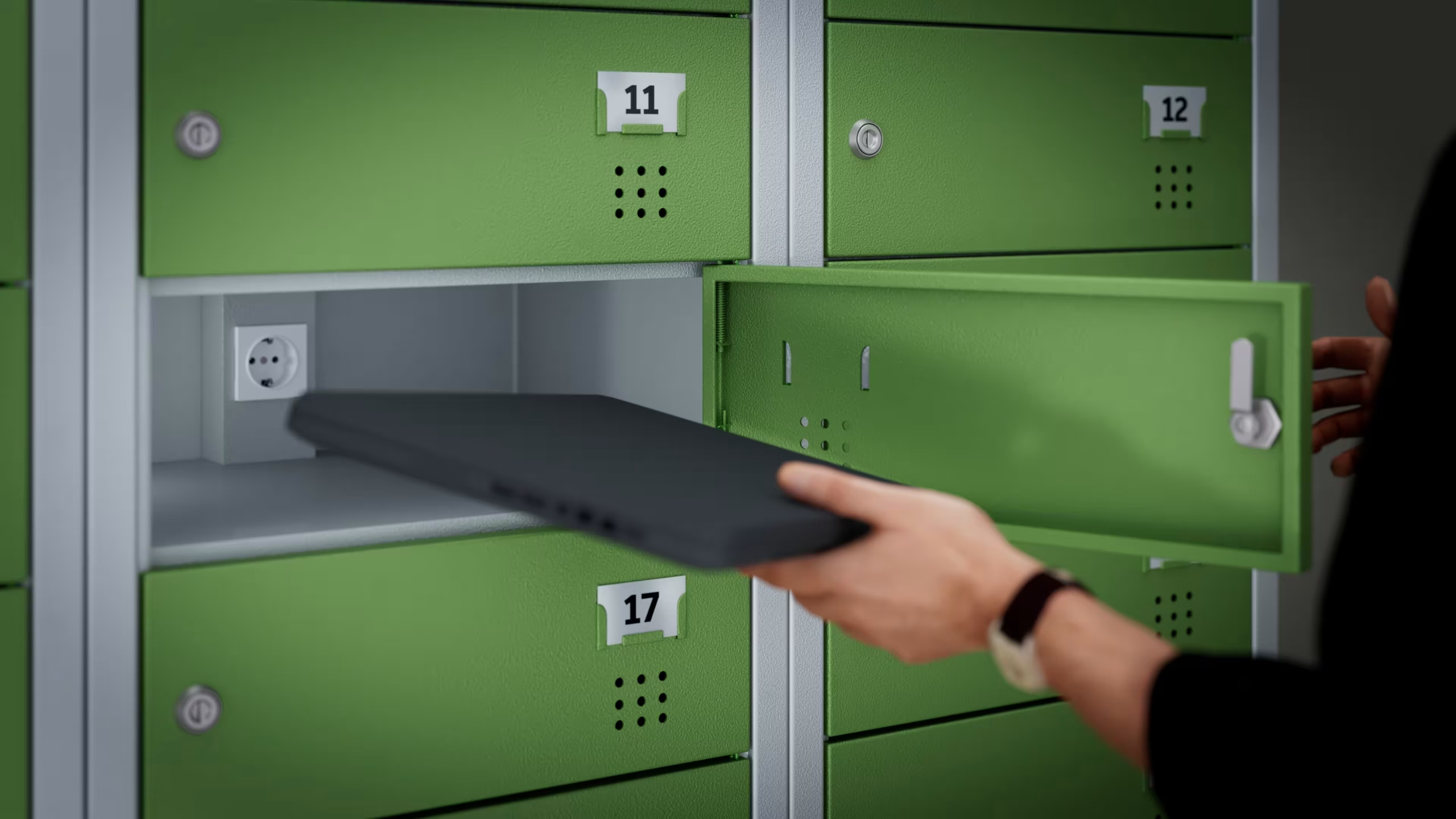
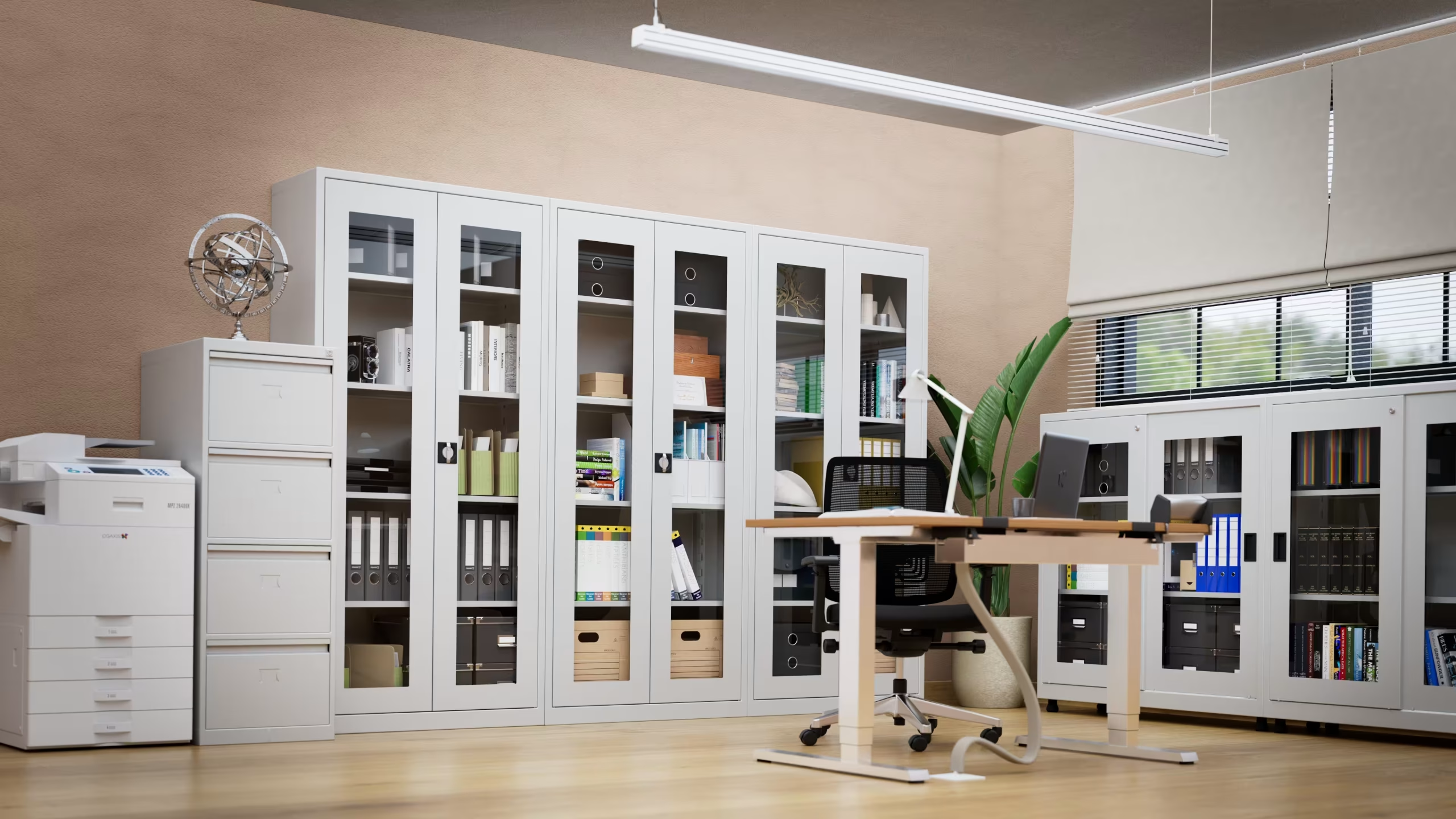
Healthcare and laboratory environments often require a more controlled approach. PPE may include gowns, masks, face shields, footwear covers, and specific issue-based supplies. In these spaces, storage should support cleanliness and reduce cross-contact. Compartments for individual assignment can work well, but so can centrally organized PPE cabinets for departmental access. A personal locker is not always the best answer if equipment is pooled by task.
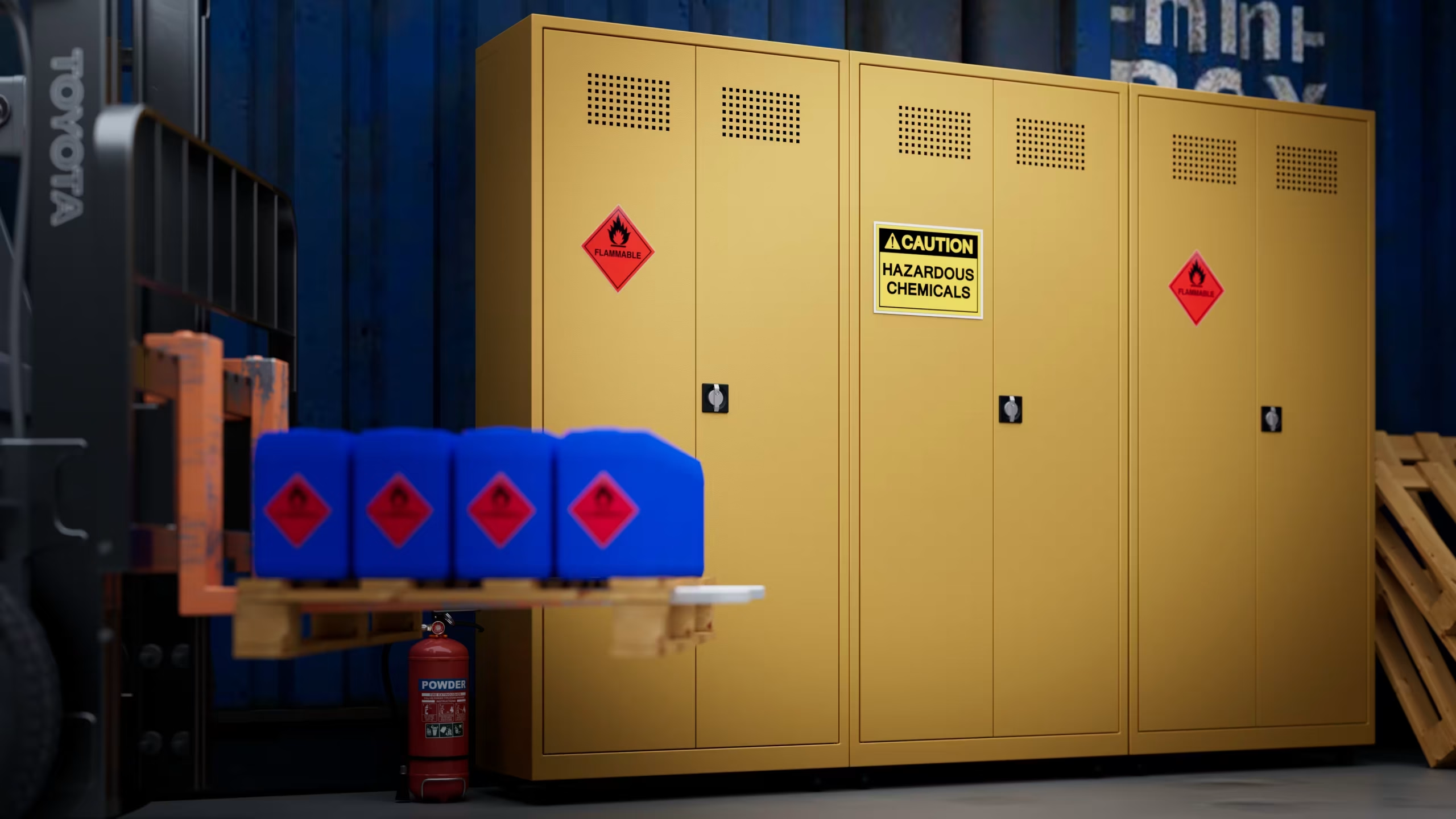
Construction support facilities and maintenance teams often need lockers that handle irregular gear. Knee pads, harness components, heavy gloves, wet outerwear, and replacement consumables can quickly overwhelm standard dimensions. In these settings, larger compartments, reinforced shelves, and practical bench integration often make more sense than compact employee-style lockers.
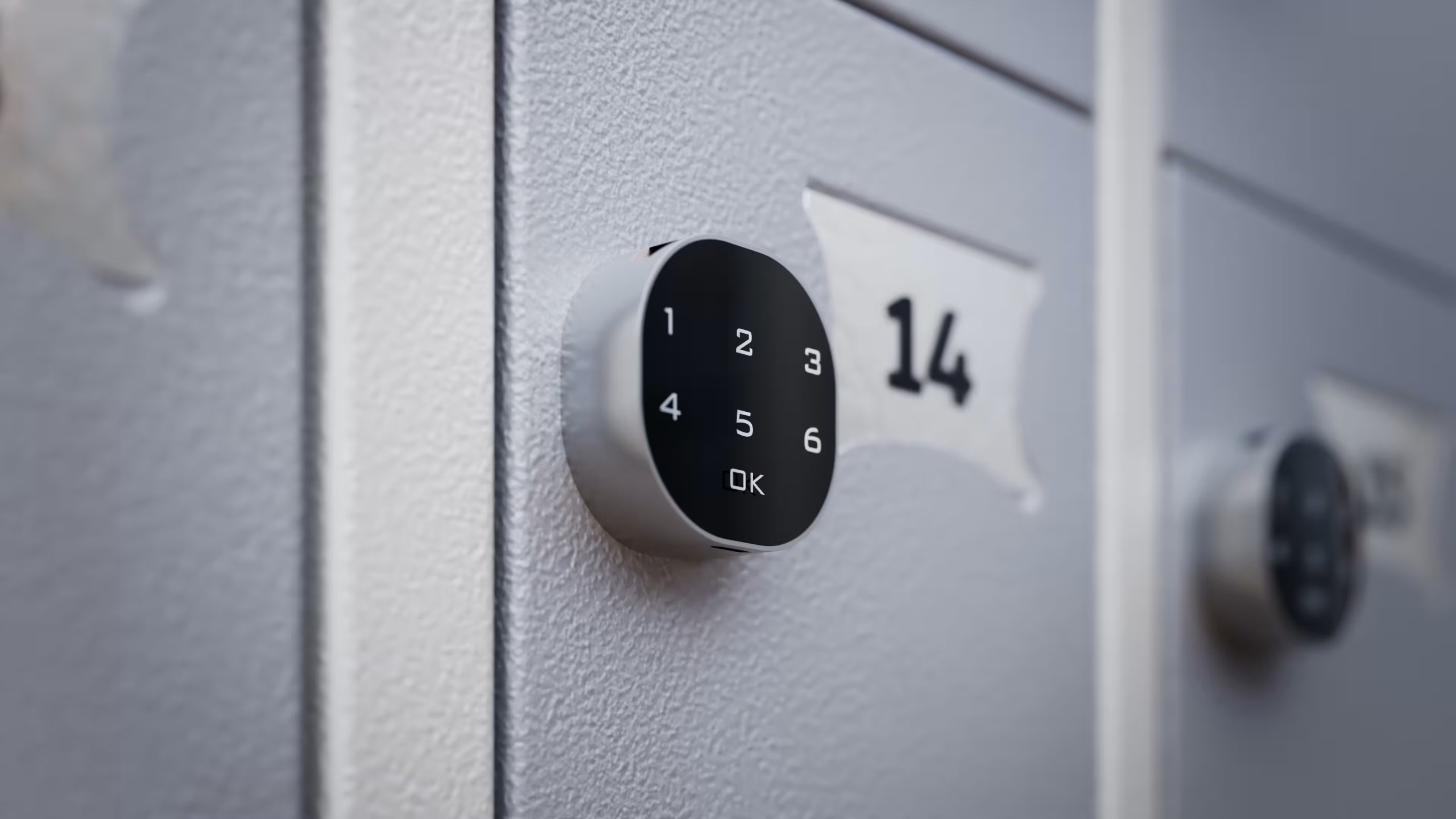
Locking method is one of the first choices buyers make, and it affects both security and daily convenience. Key locks are simple and familiar, but key management becomes an issue at scale. Padlock fittings offer flexibility, especially across different user groups. Digital or coded options make sense in some commercial environments, though they are not always necessary for standard PPE storage. The right level of security depends on whether the locker holds basic consumables or higher-value issued equipment.
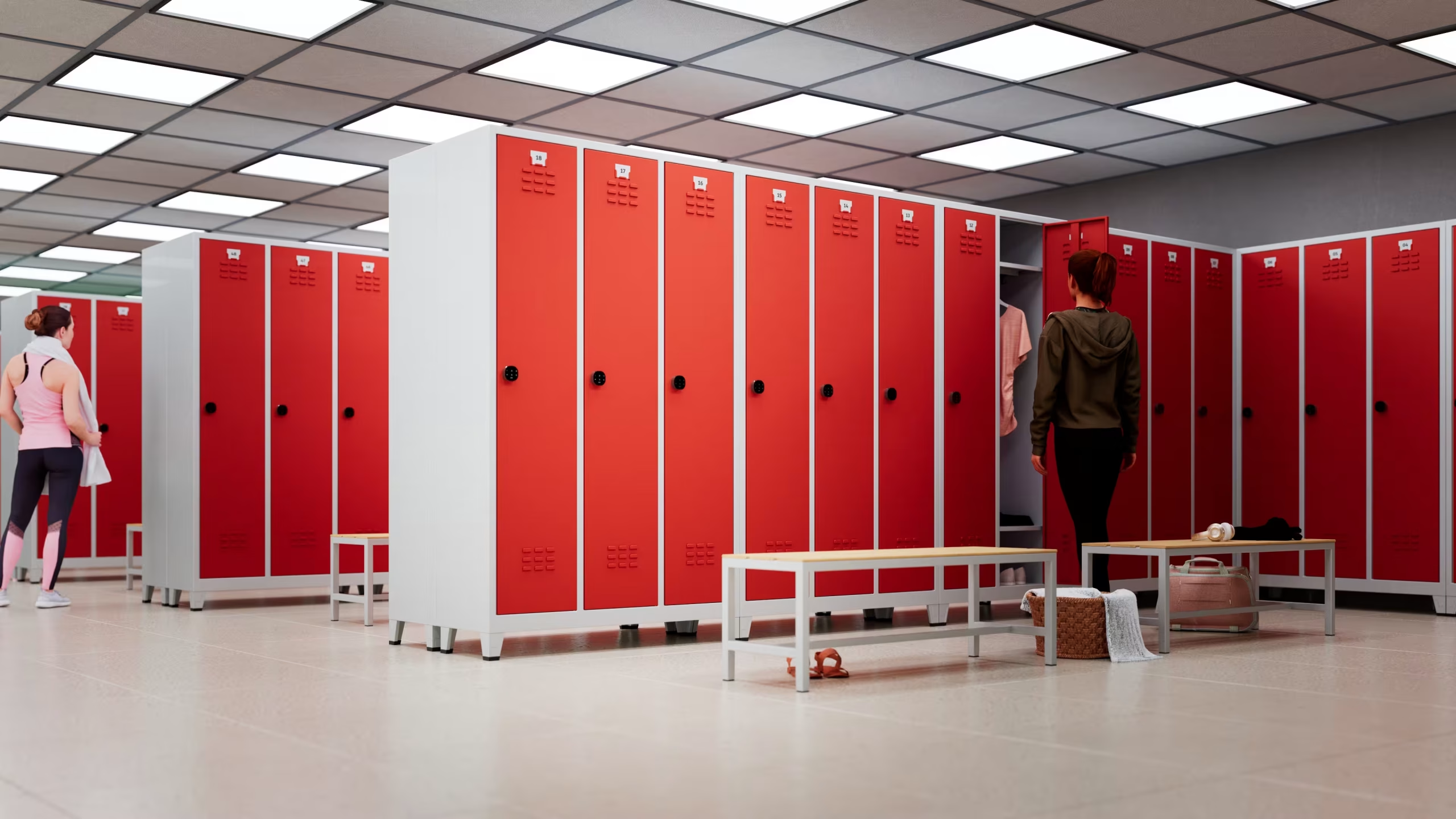
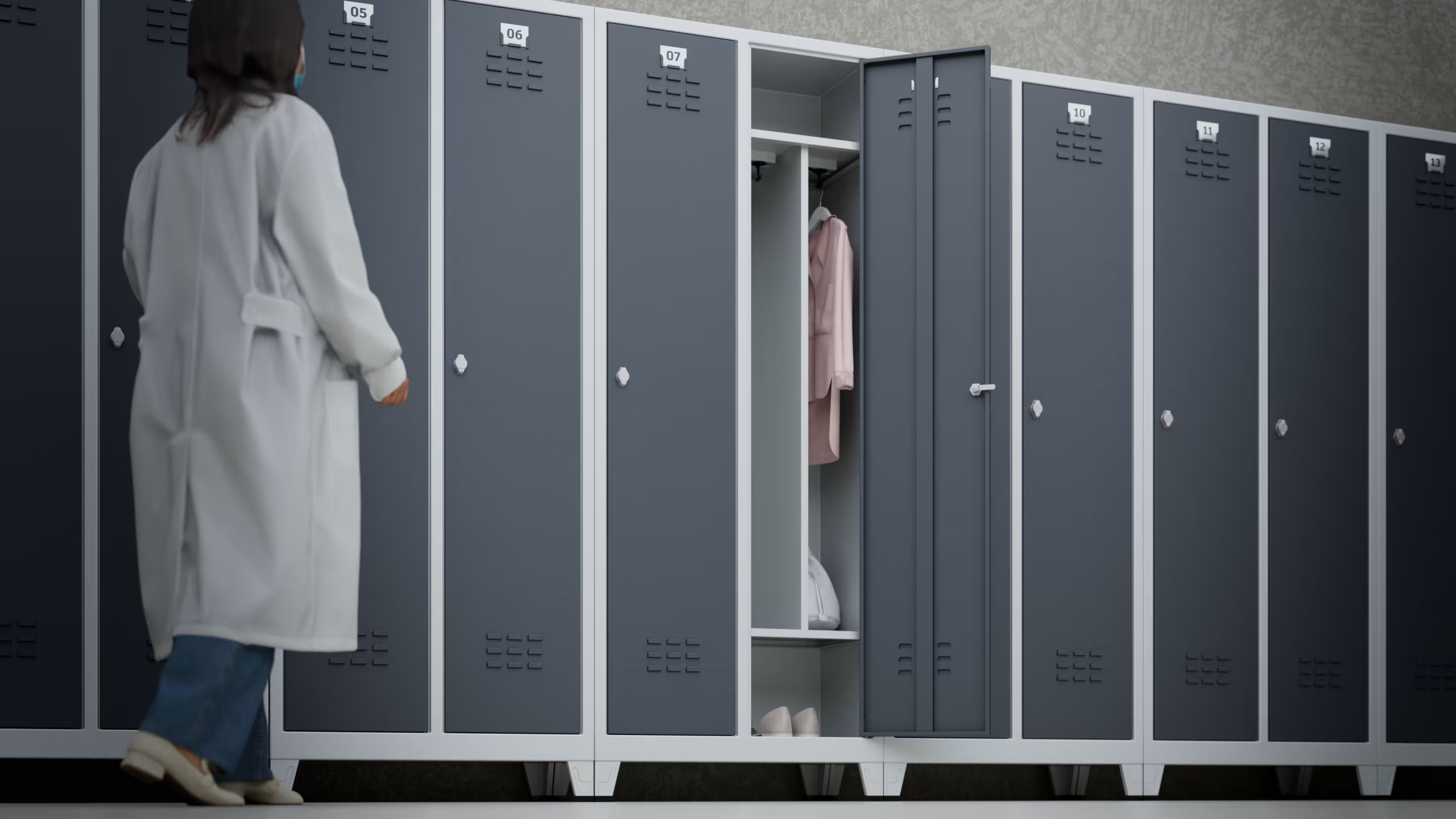
Door design also matters more than it first appears. Solid doors present a cleaner look and help shield contents from view, which can be important in front-of-house or shared commercial settings. Perforated or vented doors improve airflow and can be the better option in industrial changing rooms. Visibility, hygiene, and site policy all play a role here.
Powder-coated metal finishes are commonly preferred because they stand up well to wear and are easier to maintain in active workplaces. Color can also support organization. Different departments, risk zones, or worker groups may benefit from a clear visual system. This is especially useful in larger projects where storage needs to be intuitive for both staff and supervisors.
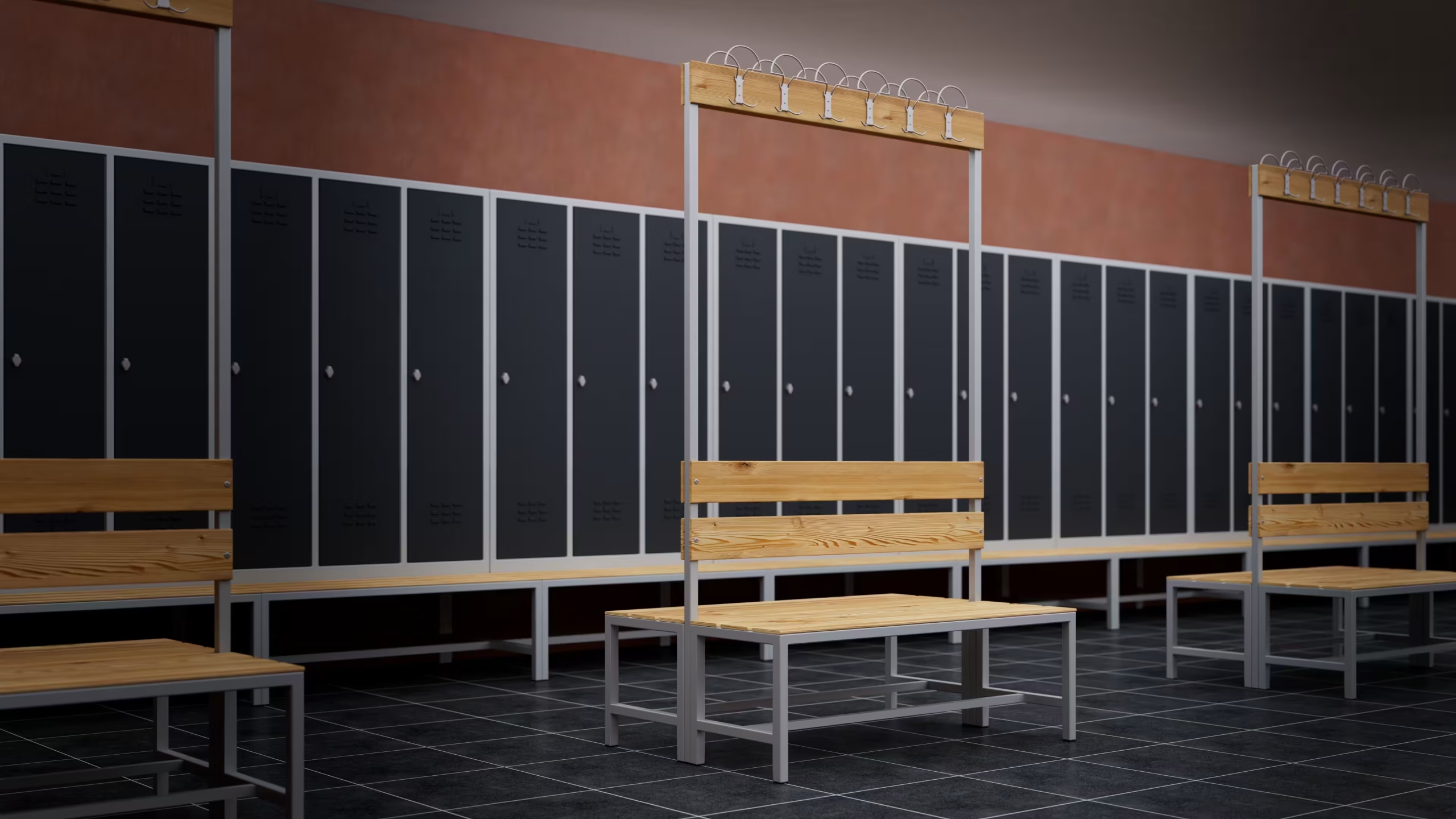
Bench-mounted locker arrangements are another practical option. They help workers change faster and use space more efficiently, particularly in locker rooms and industrial welfare areas. But they are not ideal in every location. If cleaning access under the unit is a priority, suspended or elevated locker configurations may be the better fit.
Many buyers start with standard locker sizes because they are faster to quote, faster to produce, and easier to deploy across multiple locations. For common PPE storage needs, this approach works well. Standard units are often the most efficient choice when the site has predictable gear requirements and a straightforward room plan.
Custom solutions become more valuable when the environment creates constraints. That could mean oversized PPE, specific ventilation needs, sloped tops for hygiene control, mixed locker widths, integrated seating, master-key access, or dimensions that need to fit a tight wall run. In project-based procurement, customization can prevent small functional problems from turning into long-term operational issues.
This is where a manufacturing partner adds more value than a simple catalog supplier. If the locker needs to fit the workflow, not just the room, then material thickness, internal layout, locking configuration, and finish all deserve attention before the order is placed. For many institutional and industrial buyers, that flexibility is the difference between a product that fills space and one that supports the operation.
The most useful starting point is simple: what exactly will be stored, and by whom? PPE volume and shape should drive the compartment design. A locker built for gloves, glasses, and vests will not perform well if users also need to store boots, outerwear, and helmets.
Then look at how the gear is managed. Is PPE individually assigned, shared by department, or issued at the start of each shift? Do clean and used items need separation? Will the lockers sit in a dry corridor, a humid washdown area, or a dirty industrial zone? These answers affect ventilation, layout, finish, and lock type.
It also helps to think beyond the first installation. Will the site expand? Will the same locker format be needed across multiple facilities? Standardization can simplify future purchasing, but only if the original specification is right. Choosing too small a unit to save floor space often creates complaints and replacement costs later.
For buyers managing larger rollouts, consistency in manufacturing quality and lead time is just as important as locker design. A dependable supplier should be able to deliver standard products quickly, support custom requirements when needed, and maintain product durability over years of use. That is the practical value of working with a specialist manufacturer such as Loxmet.
PPE storage works best when it disappears into the routine – gear is protected, workers know where to go, and managers are not solving the same organization problem every week. That is what the right locker system should deliver from day one.

