
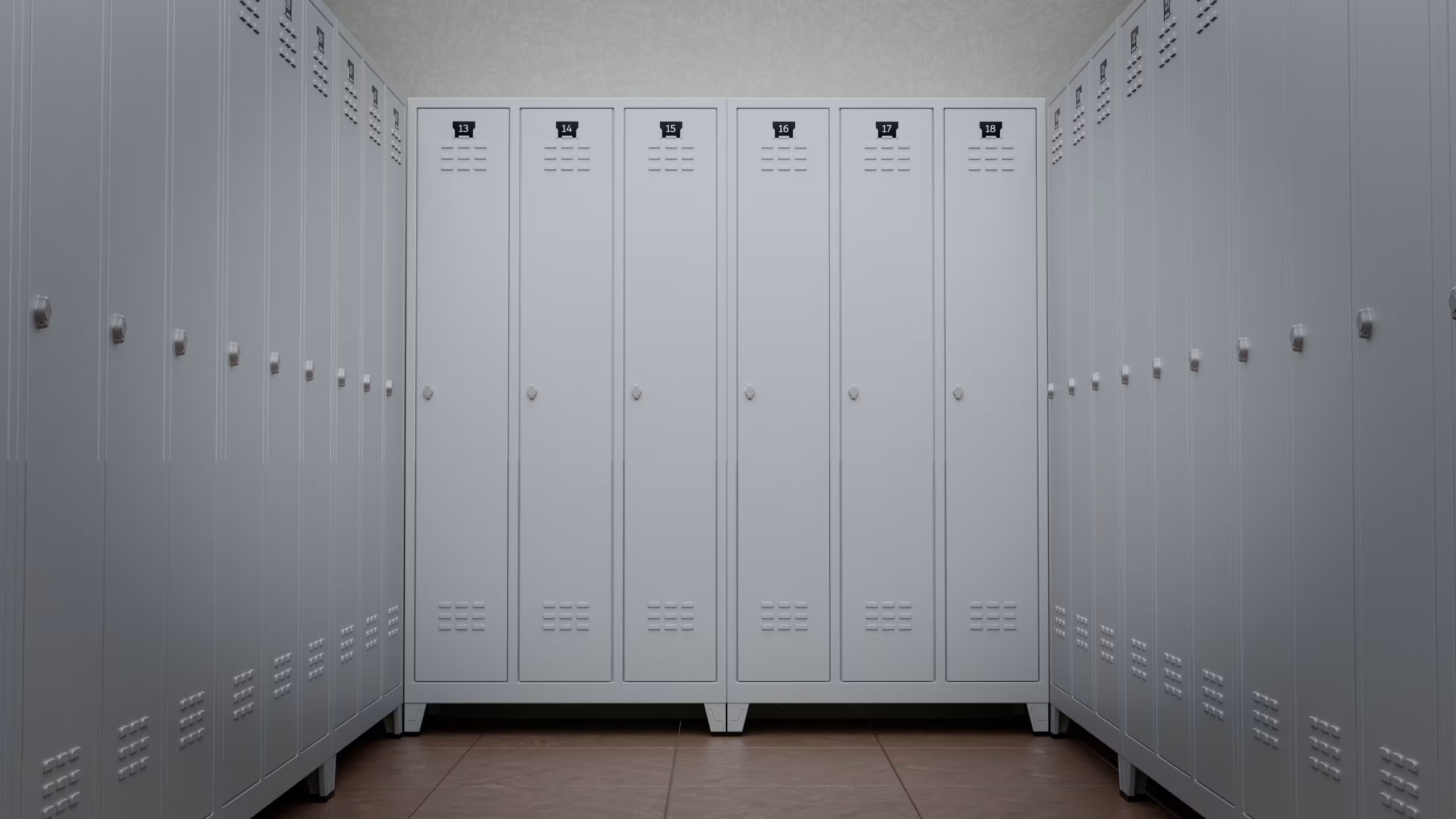
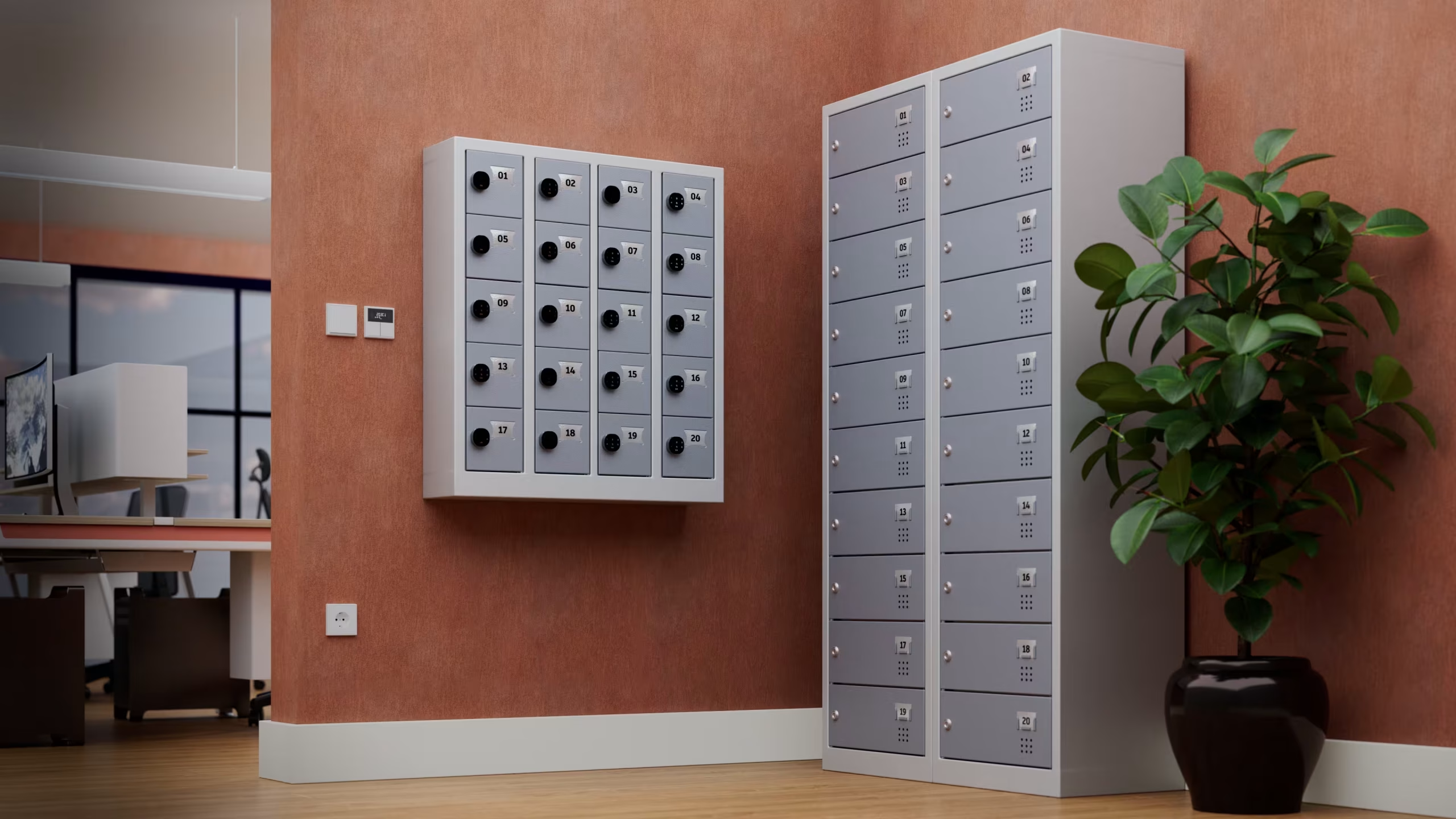


Space pressure shows up fast in real workplaces. A corridor gets narrower after a fit-out change. A staff room needs more personal storage without losing seating. A production area adds PPE requirements, but the footprint stays the same. In these cases, slim lockers for workplace use are not a design extra. They are a practical way to add secure storage where standard locker widths would waste valuable floor area.
For procurement teams, facility managers, and project buyers, the real question is not whether slim lockers look efficient. It is whether they perform efficiently under daily use. That depends on dimensions, door configuration, material thickness, ventilation, locking options, and how well the product fits the workflow around it.
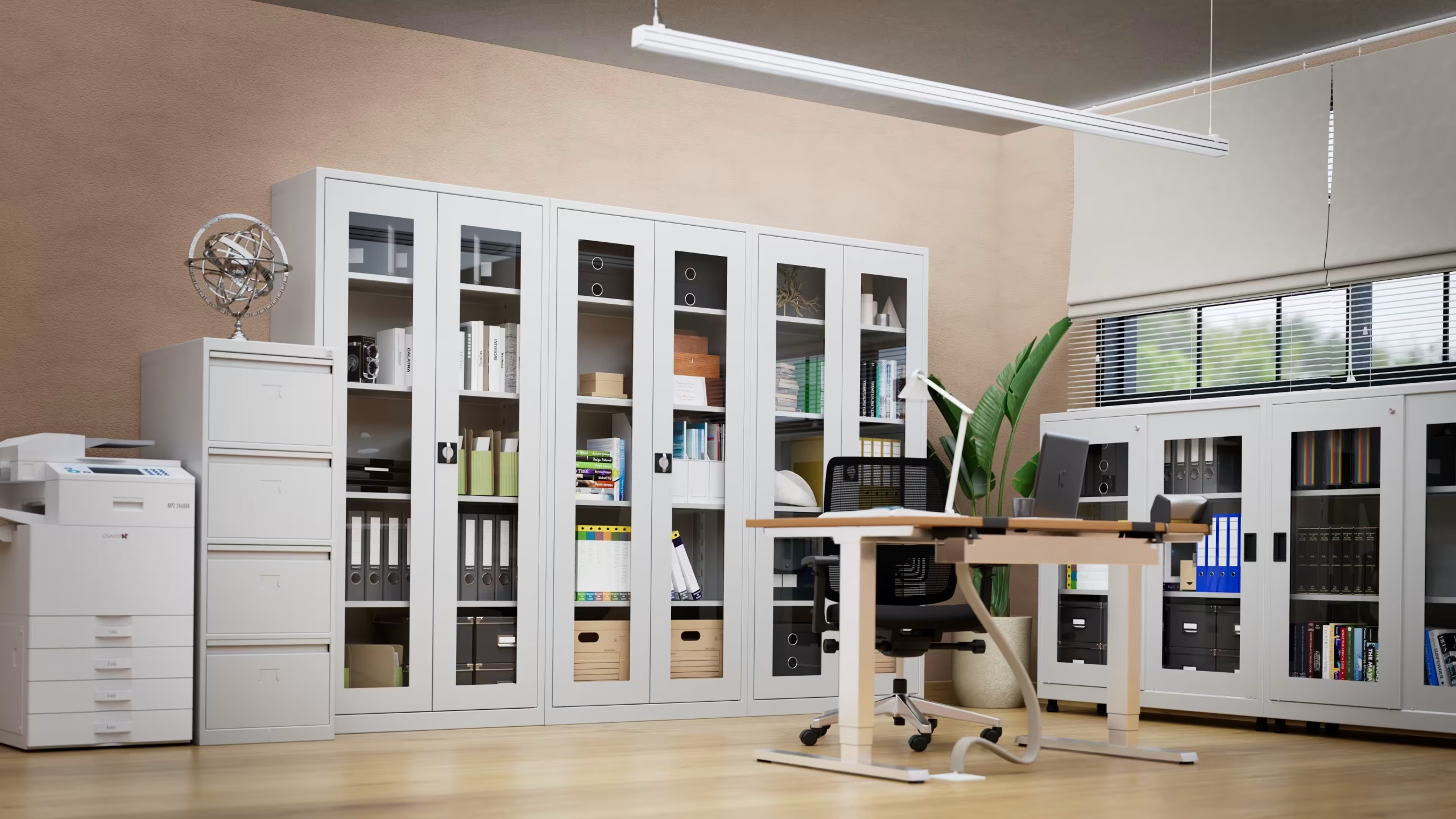
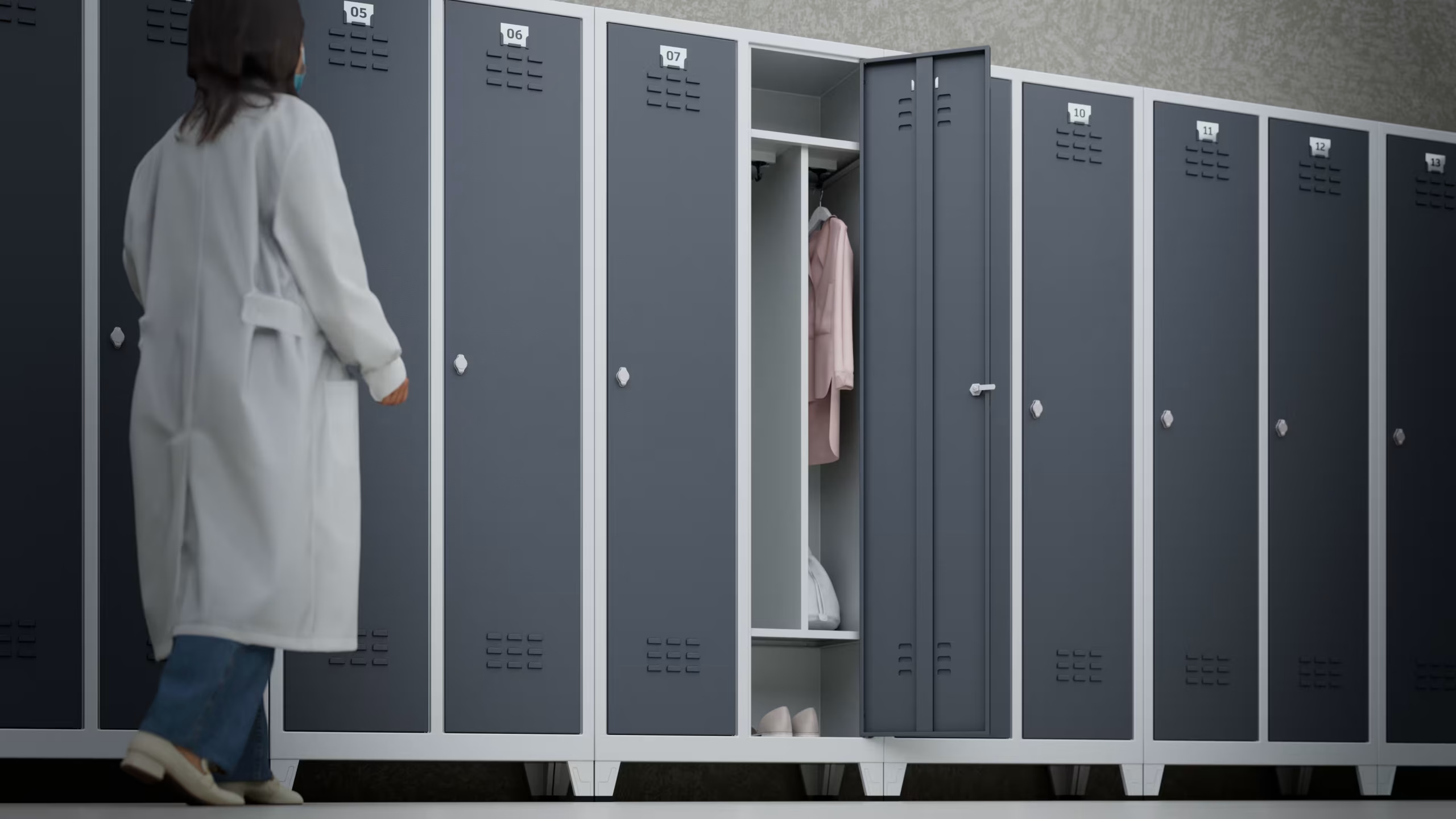
Slim lockers are most useful when the storage need is personal, frequent, and space-sensitive. Offices, schools, staff corridors, healthcare back-of-house areas, gyms, industrial welfare rooms, and administrative buildings often need individual compartments without deep or wide footprints.
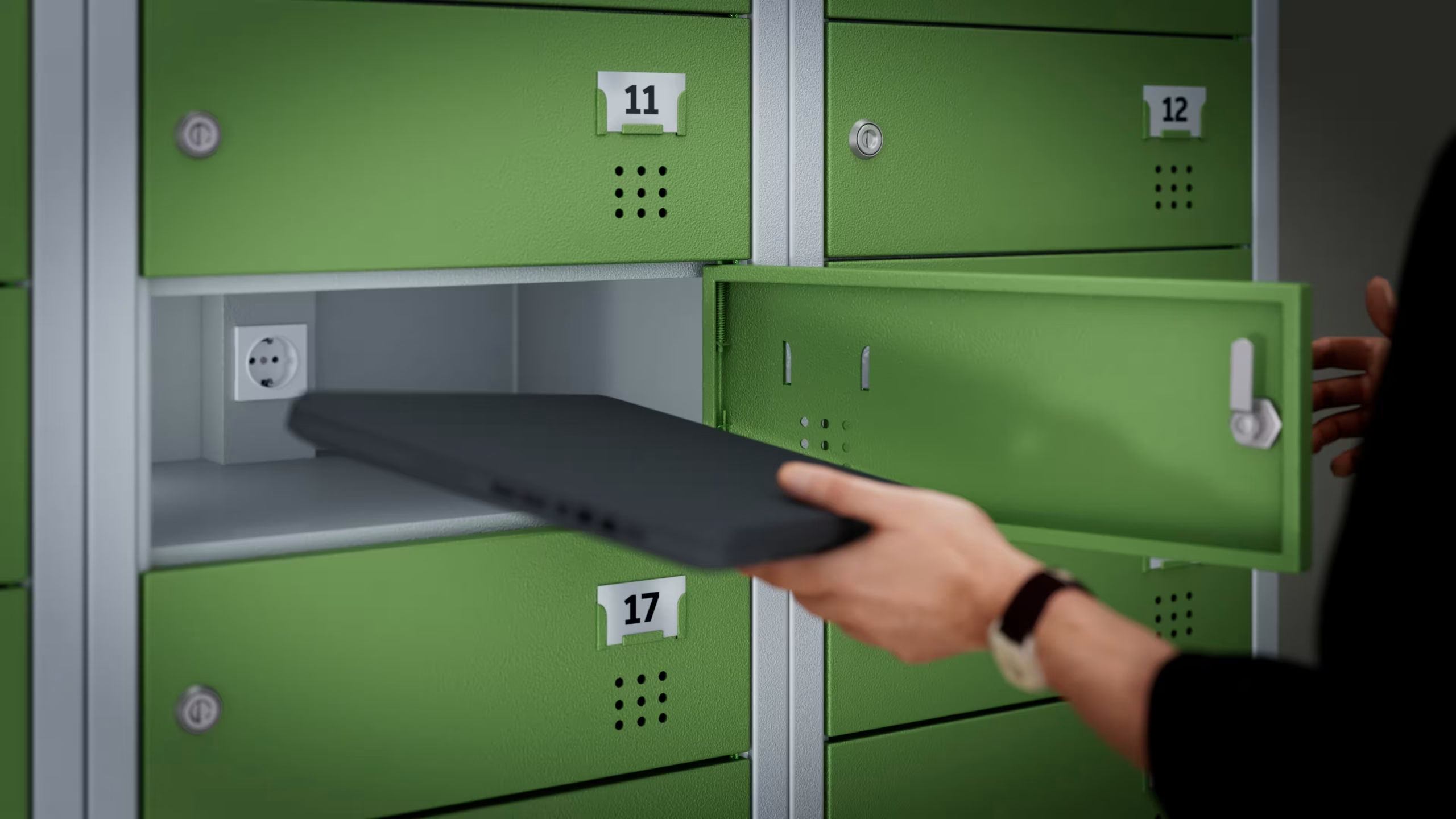
A slim locker format works well when users are storing bags, folded clothing, small personal items, documents, handheld devices, or PPE. It is also a strong option for hot-desking environments where employees need a secure place for daily essentials but do not require a full-width wardrobe locker.
That said, slim does not mean universal. If workers need to hang bulky garments, store boots, or keep large equipment at shift change, a narrow compartment may create frustration. In those settings, a mixed layout often performs better than using one locker type everywhere.
The obvious advantage is floor-space efficiency, but that is only part of the value. Slim lockers help improve traffic flow. A tighter storage bank can preserve aisle clearance, reduce bottlenecks in changing areas, and create better use of dead wall space.
They also support higher user density. If a site has 40 staff and only enough wall length for 30 standard lockers, a slim format may solve the shortfall without forcing a room redesign. For growing workplaces, that can delay or avoid larger capital changes.
There is also an operational benefit in standardization. Narrow lockers can make it easier to create organized storage zones by department, shift, or access level. In environments where storage discipline matters, consistent compartment sizing often leads to cleaner use patterns.
Dimensions are the first filter, but they should not be the only one. A locker that is narrow on paper can still be poorly suited to the workplace if internal depth, door swing, or base design is wrong for the room.
Start with the user case. If the locker is for office staff, a compact personal storage model may be enough. If it is for manufacturing or warehouse teams, the locker may need to handle daily PPE, lunch containers, and personal effects together. The width can be slim while the internal layout still needs to work hard.
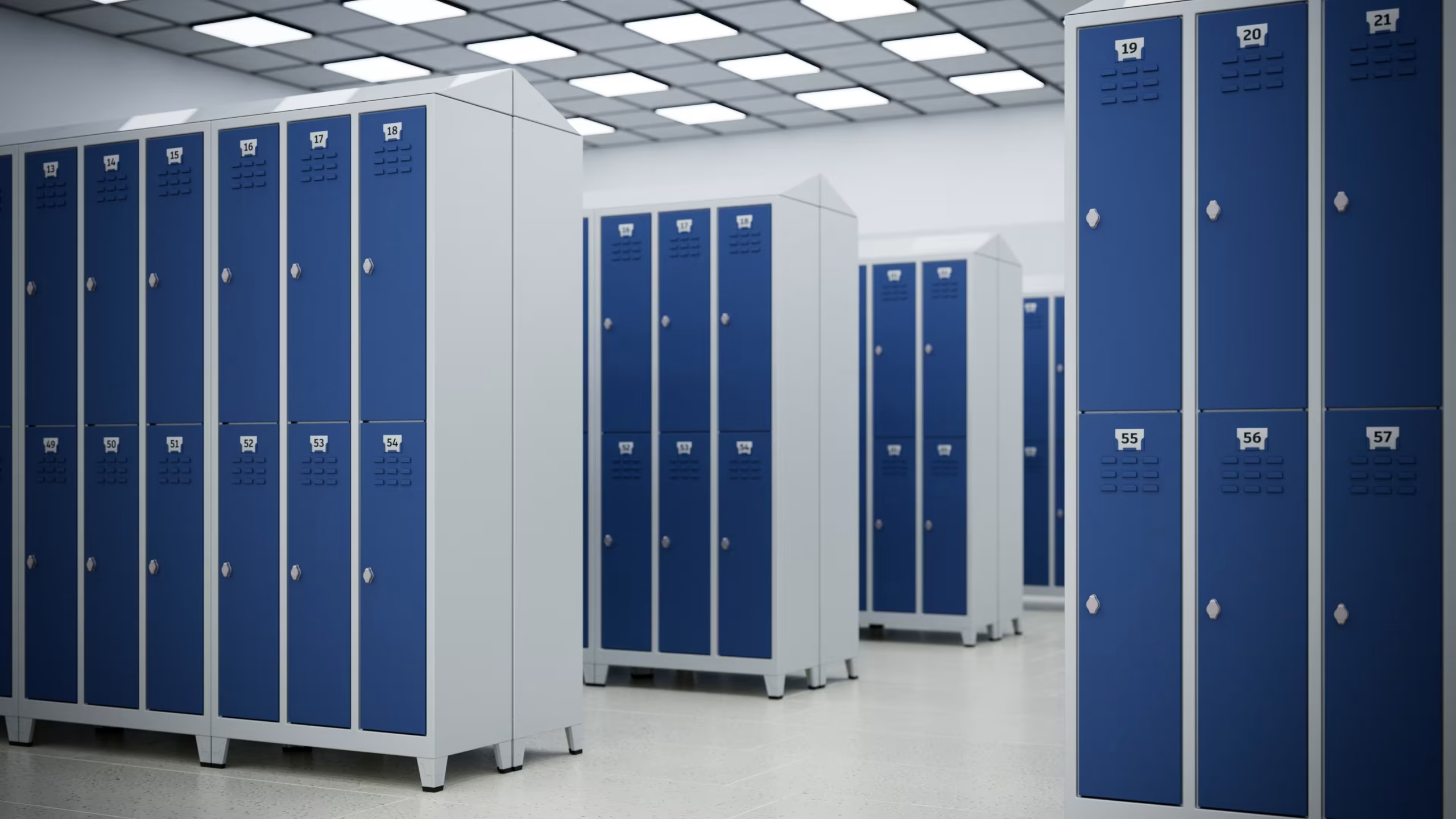
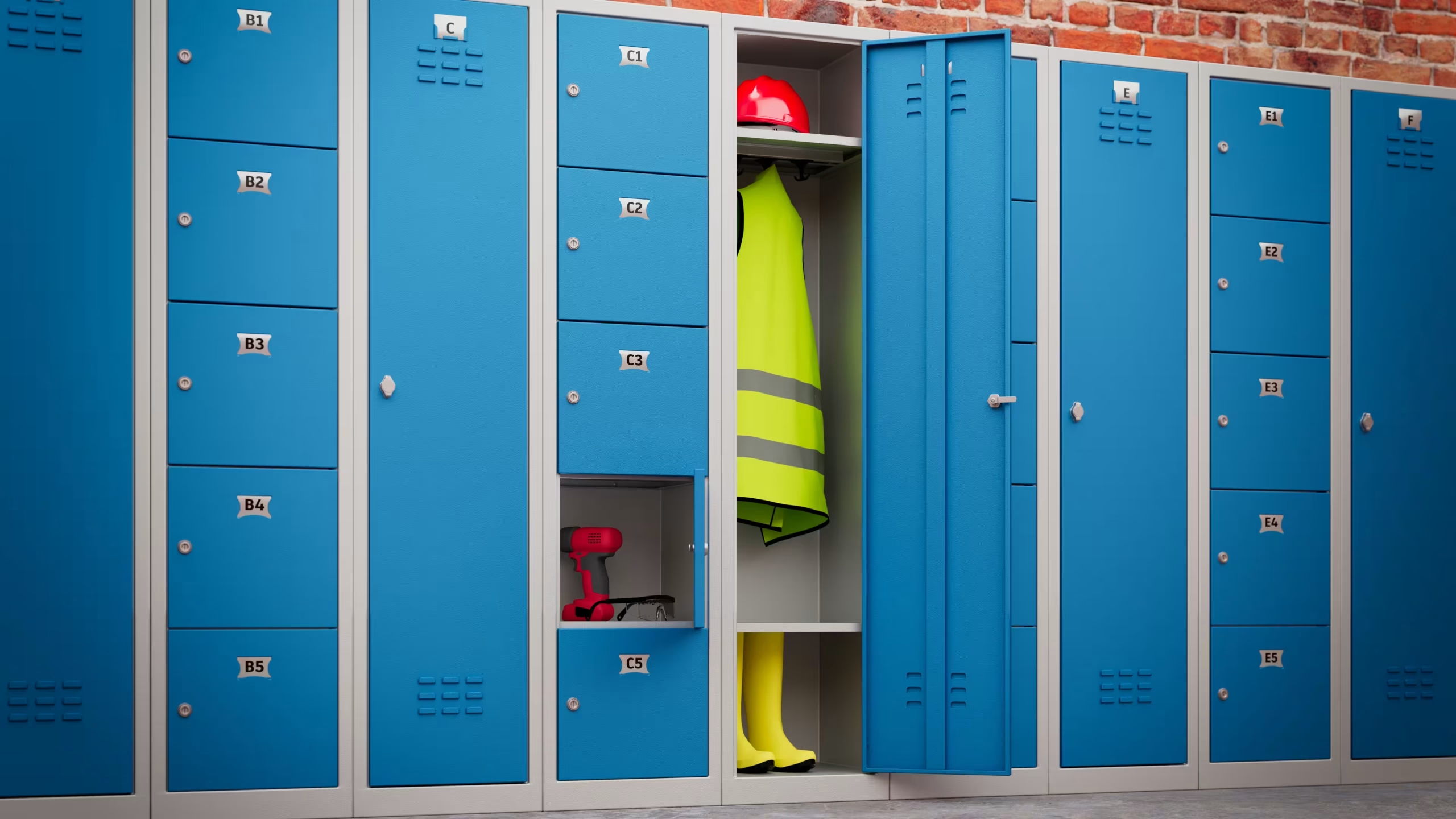
Door configuration matters as well. Full-height single-door lockers provide simple access and a cleaner front view, but multi-door compartment lockers can increase capacity per column. For organizations assigning storage by shift or temporary use, smaller compartment divisions may offer better efficiency.
Material quality should be reviewed closely. Slim lockers often serve high-density environments, which means more door cycles and more contact in tight spaces. Light-duty construction can become noisy, unstable, or misaligned over time. Industrial-grade steel, reinforced doors, and reliable hinges make a visible difference after months of use, not just on delivery day.
Ventilation is another practical point. If users are storing clothing, PPE, or gym-related items, airflow matters. Poorly ventilated lockers become a maintenance problem quickly. In cleaner office settings, ventilation may be less critical, but it still improves usability.
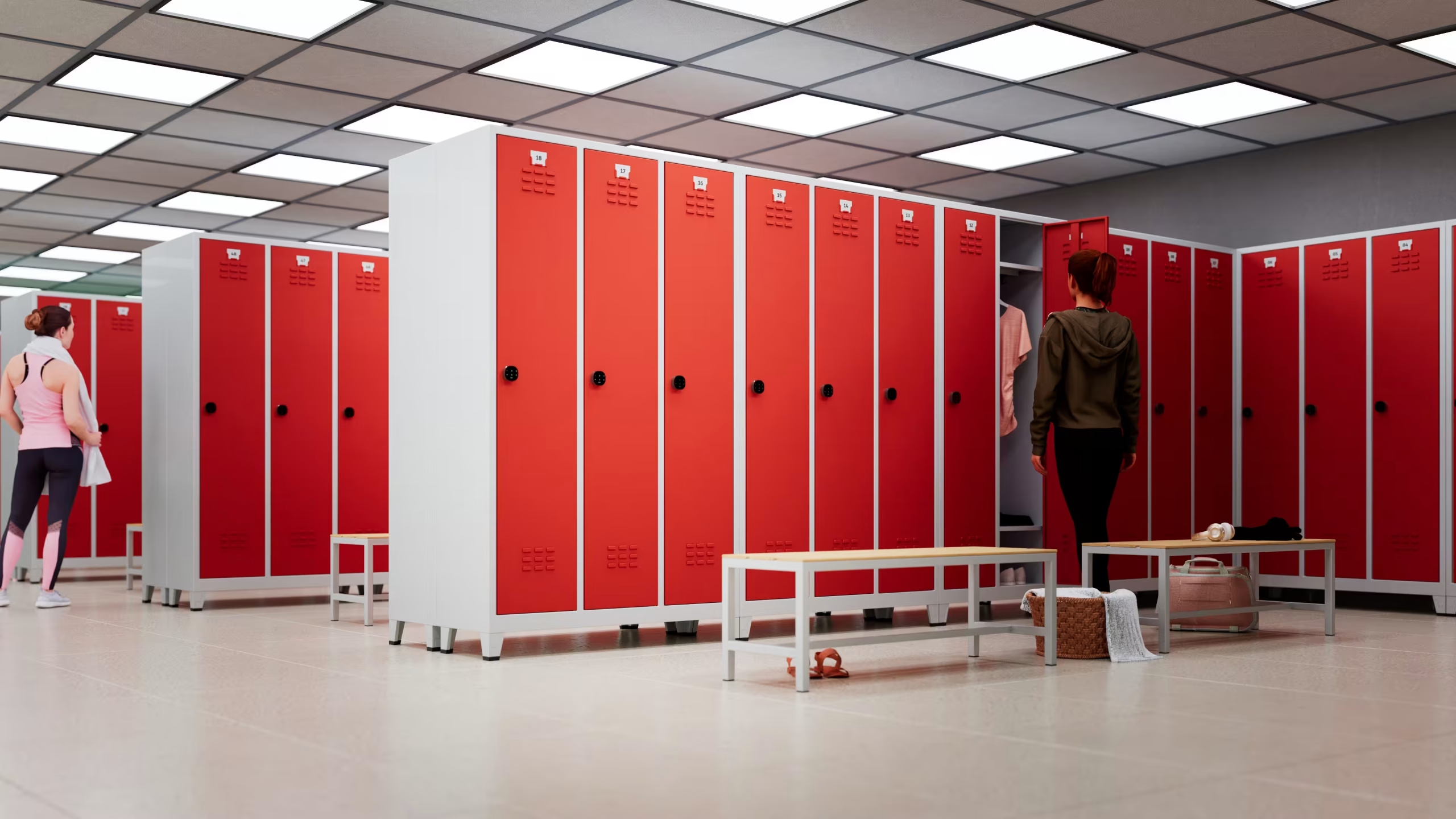
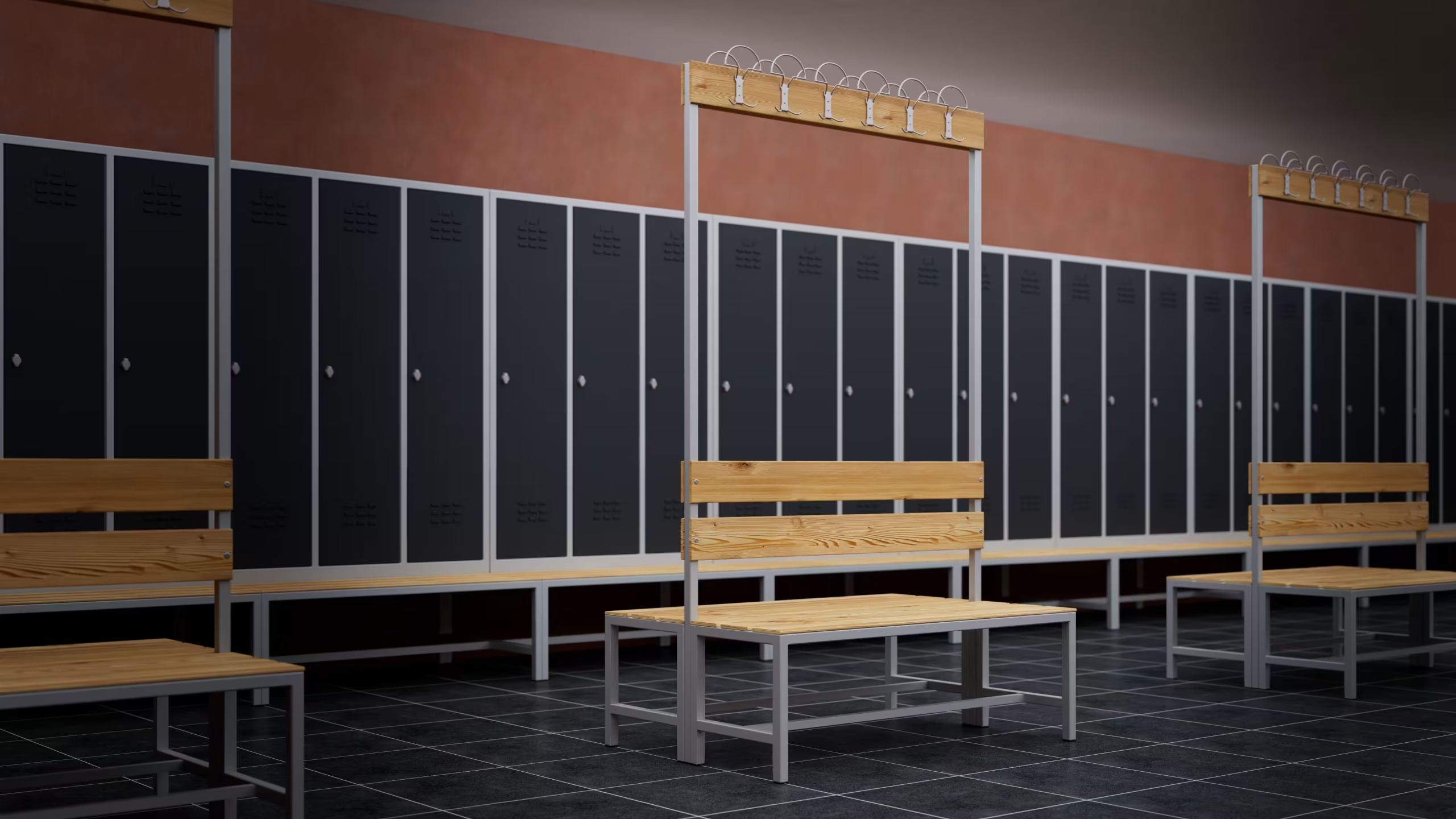
There is no single best layout because room geometry and storage purpose vary. In a narrow hallway, vertical banks with minimal projection may be the right answer. In a staff room, double columns can increase capacity without making access difficult. In a changing area, combining slim lockers with benches may improve the user experience more than adding more storage doors.
This is where project planning matters. A locker should not be selected as a stand-alone item. It needs to work with circulation routes, cleaning access, ventilation systems, and the pace of use at shift start and finish.
For example, a locker bank that fits perfectly along a wall may still fail if open doors block an escape route or create crowding during breaks. The best specification balances storage density with real movement in the space.
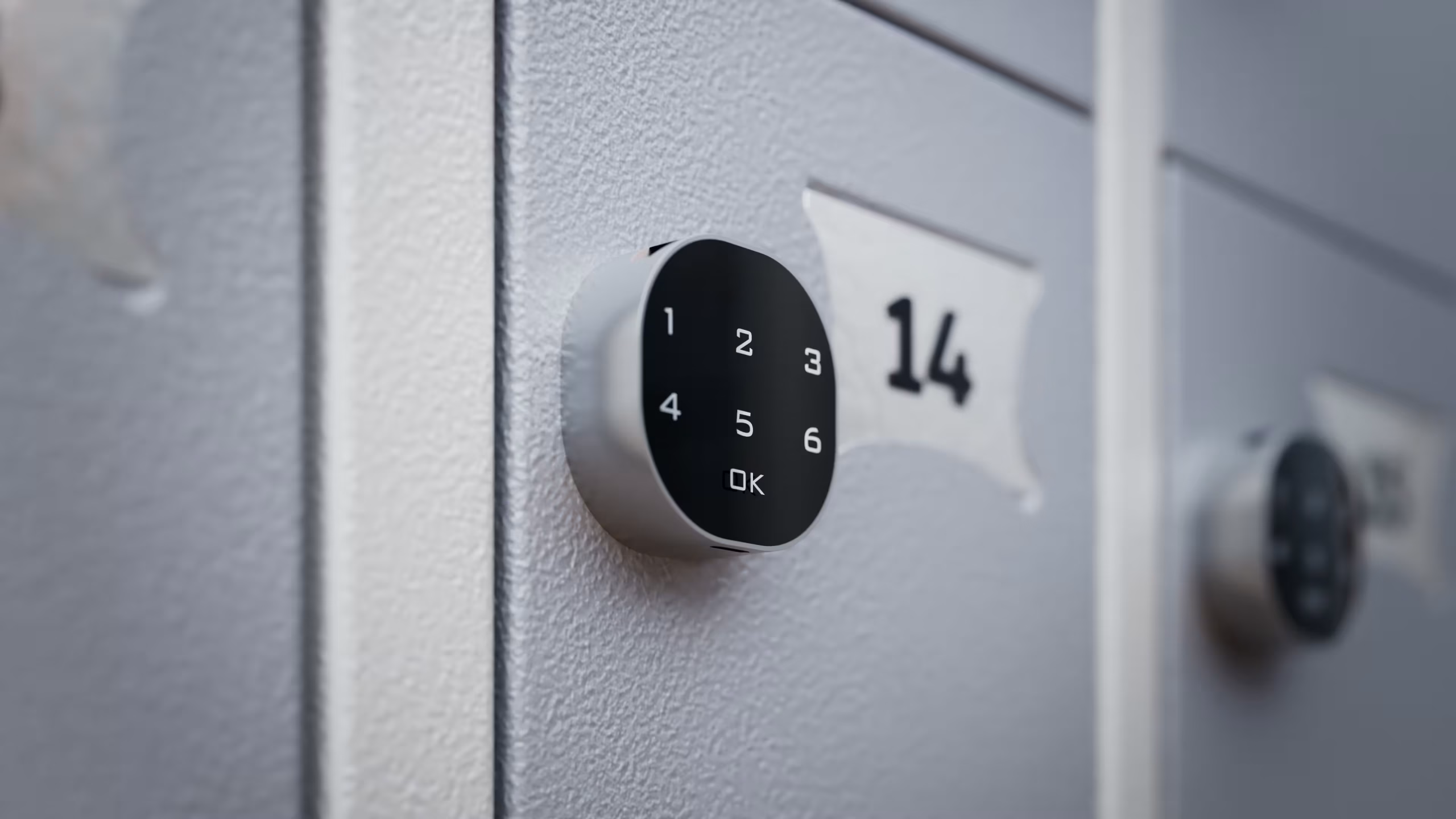
Workplace lockers are expected to protect personal belongings, but the level of security needed depends on the environment. In a general office, a basic keyed or cam lock system may be enough. In shared-use environments, hasp locks, combination locks, or digital access options may be more suitable.
The key point is consistency. If lockers are being installed across multiple departments or sites, standardizing lock types simplifies user management and replacement planning. For distributors and large buyers, this also supports easier after-sales support.
Lock quality should not be treated as an accessory decision. If the locker body is durable but the lock fails under repeated use, the product will still underperform in practice. A dependable workplace storage solution needs both physical strength and reliable access control.
Many projects need more than a standard size. That is especially true in international fit-outs, industrial sites, education projects, and commercial changing rooms where dimensions, ventilation needs, or locking preferences are already defined by the specification.
Slim locker systems are often strongest when they can be adapted. Buyers may need custom widths, color choices, sloped tops, numbering, ventilation patterns, internal shelves, charging features, or base options. A manufacturer with in-house metal fabrication can usually respond faster and with better consistency than a supplier assembling from limited stock formats.
This matters because slim lockers are usually chosen to solve a spatial problem. If the product cannot be adjusted to the real conditions of the room, some of the efficiency benefit is lost.
Tight installations create more contact. Doors are opened close to adjacent users. Corners are bumped by bags, carts, and cleaning equipment. Maintenance teams need units that stay aligned and easy to service.
That is why slim lockers should still be judged by heavy-duty standards. Powder-coated steel construction, stable carcass design, reinforced door frames, and durable finishes are not premium extras in workplace applications. They are part of controlling replacement cost over the life of the installation.
A lower-cost locker may appear comparable at first glance, but recurring issues such as bent doors, worn locks, or unstable bases create avoidable operational cost. For business buyers, product life span and service performance are usually more important than the lowest entry price.
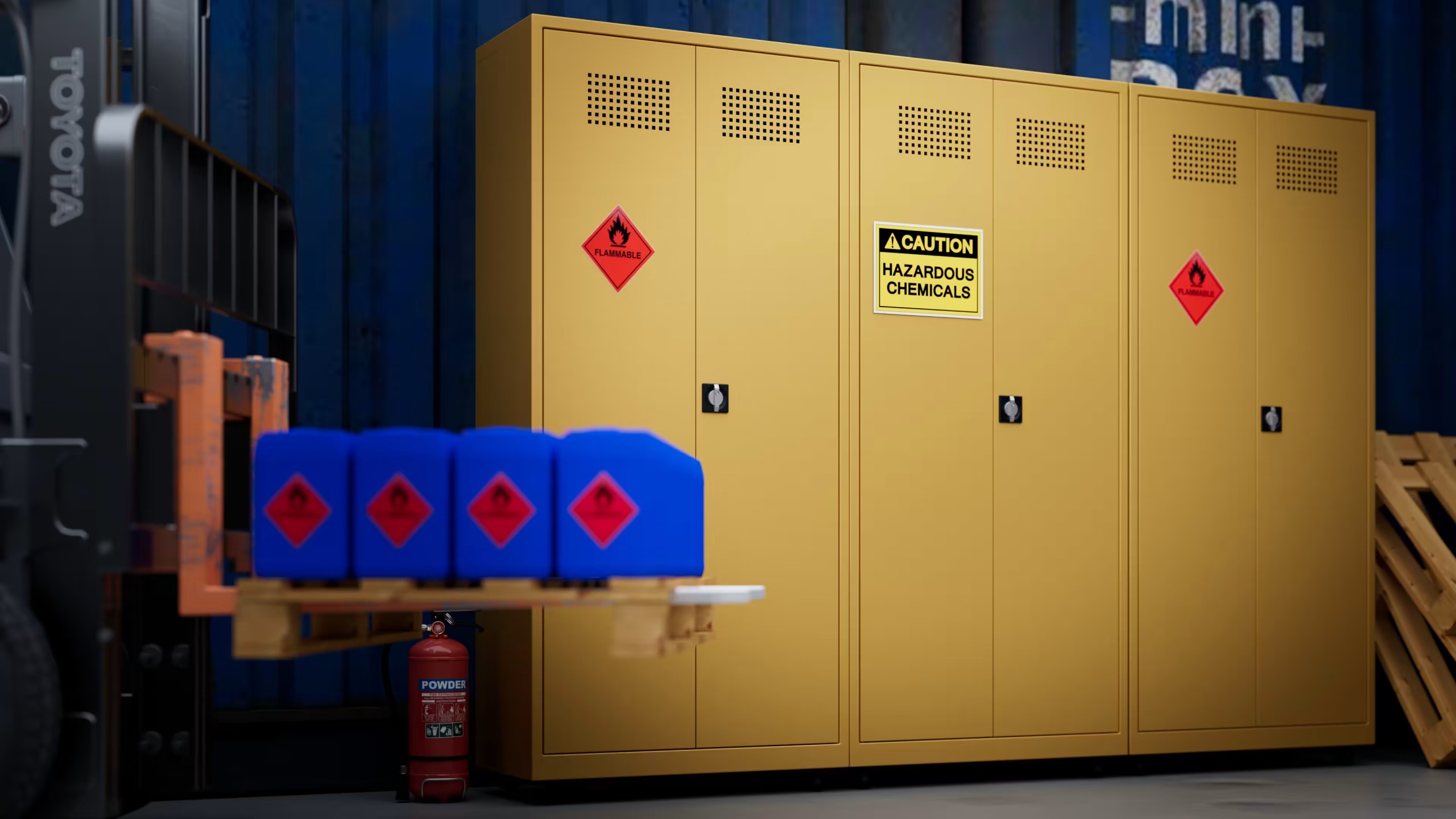
A good specification also means knowing when not to use them. If users need to store hard hats, tall boots, hanging uniforms, cleaning tools, or large backpacks daily, very narrow compartments can lead to overflow and misuse. The result is clutter outside the lockers, which defeats the purpose of the installation.
In those cases, a blended setup is often more effective. Full-width lockers for some users and slim units for others can improve both capacity and practicality. Mixed locker planning is common in facilities with office staff, plant teams, and visitors sharing the same building.
The most effective locker projects start with operational questions, not catalog filtering. Who will use the lockers? What needs to be stored? How often will access happen? What wall space and clearance actually exist? What level of durability is expected over five to ten years?
Once those answers are clear, product selection becomes easier. This is also the point where working with a manufacturer such as Loxmet can add value, especially when the project needs standard products with fast delivery or custom production for a more demanding layout.
Slim lockers are a smart solution when space is limited and storage demand is growing. The best results come from treating them as part of workplace planning, not just furniture selection. Choose the format that fits the real use case, and a narrow footprint can deliver long-term value without compromising daily function.

