


Highlights
Single Tier Lockers vs Double and Multi Tier: Choosing the Right Configuration

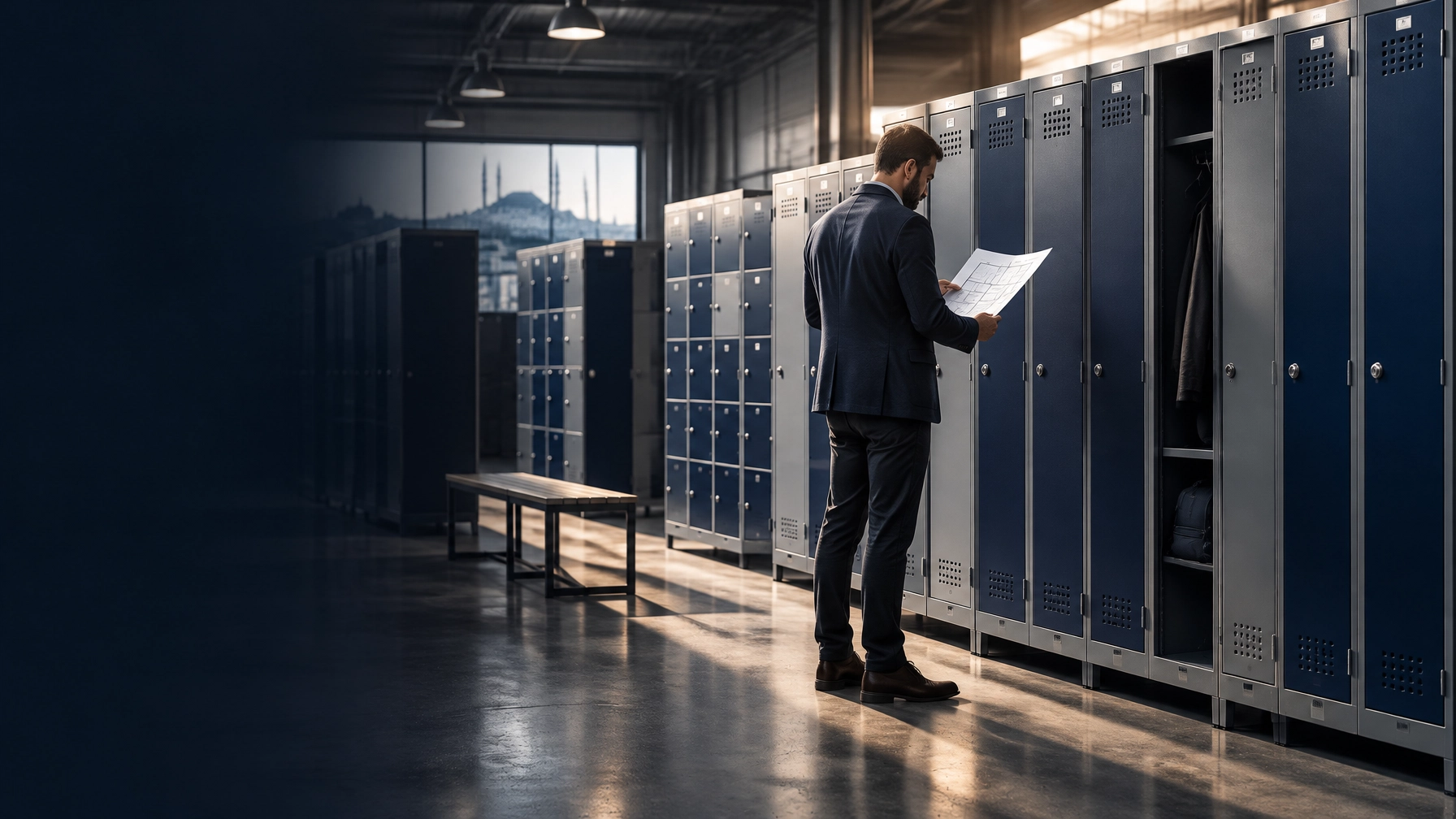
Choosing locker configuration is a practical balance between what people need to store and how much wall space you have. Single tier lockers provide full-height storage for hanging garments; higher-density options create more compartments in a similar footprint. Compare the typical uses below, then confirm the actual product dimensions and room layout before ordering.
| Configuration | Typical compartment | Best suited to | Main trade-off |
|---|---|---|---|
| Single tier | One full-height compartment per user | Hanging garments, bags and larger items | Fewer compartments per locker bank |
| Double tier | Two compartments stacked vertically | Folded clothing and everyday personal items | Less vertical space in each compartment |
| Multi tier | Three or more compartments stacked vertically | Small belongings and short-stay storage | Limited height for garments and bulky items |
When Single Tier Lockers Are the Right Choice
Choose single tier lockers when users need a place to hang longer clothing or store larger belongings. A full-height compartment suits coats, uniforms, coveralls, sports clothing and bags. It also gives users more flexibility when storage needs change over time.
For factories and warehouses, start with the longest and bulkiest garments employees bring to work. In offices, consider coats and laptop bags. At gyms and sports facilities, allow for changing clothes, shoes and kit. The right configuration follows the daily routine, not simply the number of doors that fit along a wall.

Check hanging space first
Write down what each person needs to store: long garments, folded clothes, shoes, a bag or smaller personal items. A hanging rail is useful only when the compartment has enough clear height for the clothes that will hang there. Shelves and hooks can improve organization, but check that they do not reduce needed hanging space.
In schools and sports facilities, the mix of users and belongings can vary. Where people mainly store folded clothing and smaller bags, double tier lockers can provide more individual compartments without using a longer wall run. They are less suitable when each person needs full-height hanging space.
More Compartments per Locker Bank
Two stacked compartments in one column are commonly described as two tier lockers. This layout increases the number of users served within a locker bank, while keeping the footprint similar to a full-height arrangement. Each user gets a separate door and lock point, but the compartment height is reduced.
For compact personal storage, multi tier lockers add three or more doors vertically. They can suit offices with day-use storage, schools, or facilities where users need space for small belongings rather than a full change of clothing. They are not a like-for-like substitute for full-height compartments when garments need to hang.
Locker tiers change how much storage is available to each user. They do not automatically change the overall locker-bank width. In many designs, the doors become shorter as more compartments are stacked. Door width depends on the column design and selected model, so compare the clear opening, not just the outside dimensions. If a design uses narrower columns, check that bags and stored items still fit through the door comfortably.
Match capacity to the contents
Higher-density tiered lockers can be an efficient choice when your users have similar, compact storage needs. The trade-off is less flexibility for bulky items. Avoid specifying compartments based only on a total door count; estimate the number of users at peak times and the belongings each person brings.
A mixed layout often works well. Use full-height compartments for people who need hanging room, then add smaller compartments for users who only need day-use storage. Loxmet’s locker range includes different standard configurations, with custom fabrication available when a project needs a specific layout.
Doors, Locks and Daily Use
Each compartment should have its own suitable lock provision. Confirm that the selected lock works with the individual door size, the site’s key or code process, and the way lockers will be assigned or shared. For multi-compartment banks, include numbering or labels in the specification where they will help users find the correct space.
Door operation also affects the room. Before choosing between locker tiers, check how the selected doors open and where users stand while accessing them. A row that fits on a plan with doors closed can feel crowded when people are changing, carrying bags or passing one another.

Allow for access and cleaning
Draw the locker doors open on your floor plan. Check the available aisle space, the position of benches, entrances and nearby walls. Where locker banks face each other, test whether doors can be open on both sides while people use the space. Our guide to locker room dimensions explains how to consider doors, benches and circulation together.
Also plan how staff will clean around and beneath the units. The selected base, floor condition and access around the locker bank all matter. Ventilation openings can support airflow, but damp clothing still needs an appropriate drying routine and suitable facilities.
For UK projects, HSE guidance on construction changing rooms and lockers covers secure storage, seating and drying clothing where needed. The Workplace (Health, Safety and Welfare) Regulations 1992 address suitable and sufficient changing facilities in relevant workplaces. HSE’s welfare facilities guidance for employers provides further background. Requirements depend on the workplace and applicable local rules, so confirm them with your project team.
Choose by Environment
- Offices: Double or multi-compartment layouts suit personal belongings and folded clothing. Add full-height spaces where staff need to hang coats.
- Factories: Choose storage around the workwear and garments employees actually use. Full-height compartments are practical when hanging space is important.
- Gyms: Match the compartment size to users’ bags, clothing and changing routine. Consider peak use, door access and bench placement.
- Schools: Consider the belongings students carry and how quickly users need access between classes or activities.
- Warehouses: Plan around shift changes and the size of personal items stored. Compact compartments can work where hanging garments are not a main requirement.
Loxmet’s changing room lockers support different workplace layouts. If your facility has specific user or space needs, our lockers for workers guide offers more workplace storage considerations.
Standard Products or Custom Layouts?
Loxmet offers more than 100 standard products, plus custom metal fabrication for project-specific dimensions and compartment arrangements. Standard products in catalogue colors are generally delivered within 10 working days. Custom colors and made-to-order products typically require approximately 10 additional working days. Single-product orders are accepted, and products include a 10-year warranty.
For a custom project, share the room measurements, user numbers, storage needs and preferred configuration. Our customization service can help you review a practical layout before production. Buyers can also find company, ordering, delivery and warranty details in the Loxmet FAQs.
Common Buyer Questions
Are double-tier lockers suitable for work clothes?
They suit folded clothing and personal belongings when the compartment dimensions meet the need. If users must hang longer garments, compare a full-height option or a mixed layout.
Do more locker tiers make the doors narrower?
Not necessarily. Adding vertical compartments usually reduces door height. Door width depends on the column layout and product design, so check the manufacturer’s dimensions and usable opening.
How do I choose between two tier lockers and multi tier lockers?
Start with what each user stores. Two compartments stacked vertically suit larger individual storage needs than many small compartments; multi tier lockers are more appropriate when belongings are compact and high capacity is the priority.
Should every compartment have its own lock?
Specify access for each individual door. Confirm the lock type, user assignment and key or code management process before ordering.
How much aisle space do I need in front of lockers?
There is no single figure that fits every room. Check the actual door swing, people using the lockers, benches and passing routes on a measured floor plan. Confirm accessibility and safety requirements for your location.
Can Loxmet provide a mixed configuration?
Yes. Loxmet offers standard products and custom fabrication. Share your room plan and storage requirements to discuss a layout with full-height and smaller compartments.
Finalize Your Configuration
Count users, list the items they need to store, and test door access on the room plan. Single tier lockers deliver full-height hanging space; smaller locker tiers can increase compartment capacity when belongings are compact. Compare the locker options or contact Loxmet for help selecting a dependable configuration for your facility.