


Highlights
Locker Warranty: What Buyers Should Check Before Ordering

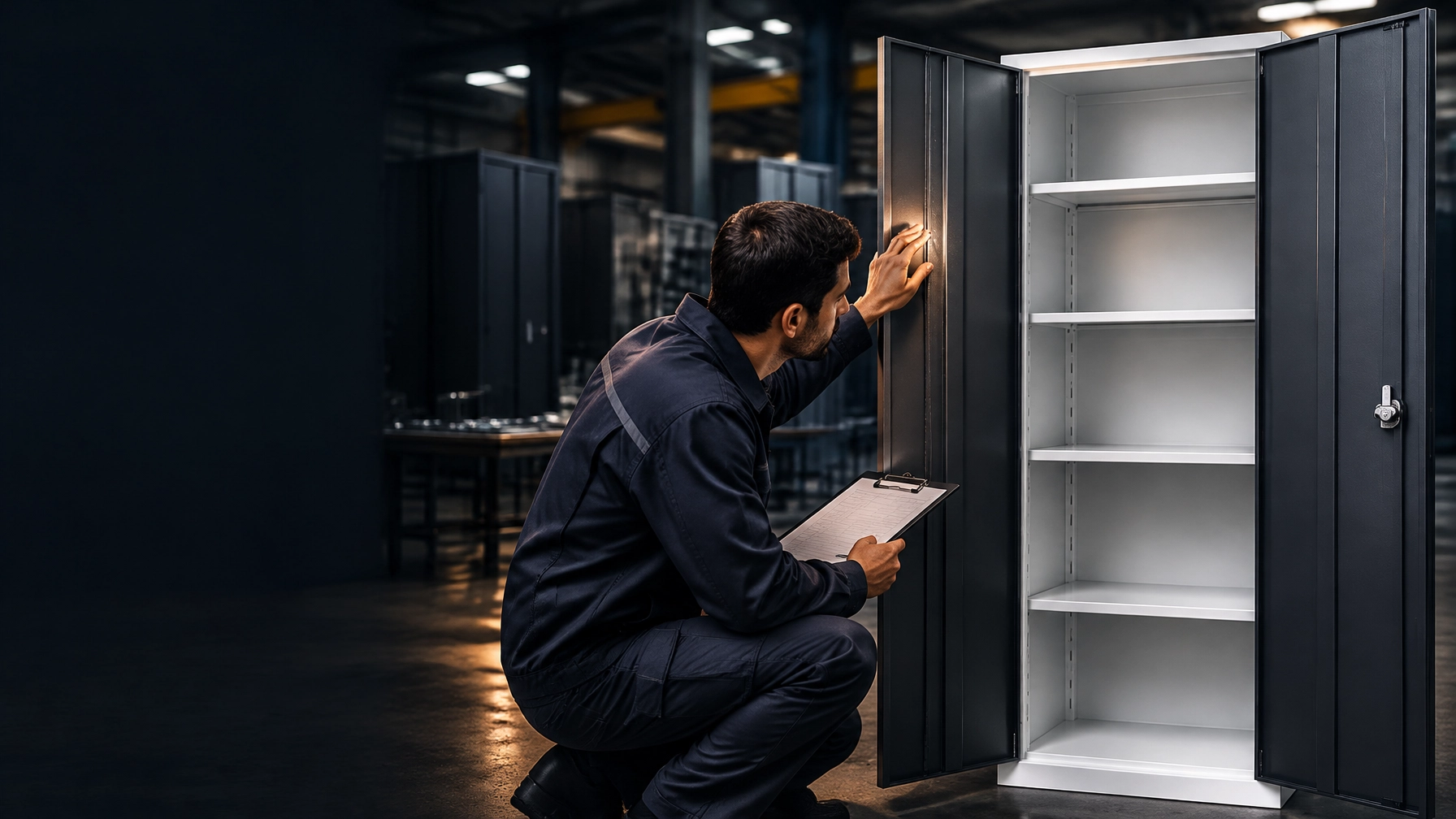
A locker warranty belongs in your supplier comparison alongside the product specification and delivery schedule, not in the small print after a decision. For procurement managers, facility teams and importers, clear written terms help you understand what is covered, how to make a claim and what support to expect. Use this checklist to compare offers before placing an order.
| Warranty clause | Why it matters | Question to ask |
|---|---|---|
| Covered parts and faults | The headline term may not apply to every component | Which parts and fault types are covered? |
| Exclusions | Use, environment and maintenance can affect cover | What situations are excluded? |
| Warranty period start date | Delivery and installation dates may differ | What event starts the period? |
| Remedy and claim process | A warranty needs a clear way to resolve a fault | Who decides, and what happens next? |
| Cross-border support | Parts and transport can complicate an international claim | Who handles local parts and replacement shipping? |
Compare Warranty Terms Before You Select a Supplier
A longer term does not automatically mean stronger cover. One offer may cover only production faults; another may define component cover, exclusions and claim steps in more detail. Locker warranties differ most in what they leave out, so compare the written terms against the specific lockers you plan to buy rather than the headline number of years.
Keep warranty scope distinct from the other parts of your procurement decision. For quote factors, see How Much Do Lockers Cost?. This guide focuses on coverage and after-sales terms, not how suppliers build a quotation.
Locker Warranty: Define the Scope Clearly
Loxmet offers a 10-year warranty against production faults. That is the stated warranty commitment. Confirm the complete written terms for your order rather than assuming additional coverage.
Ask every supplier, including Loxmet, to define “production fault.” For example, ask whether it refers to a manufacturing defect in material or workmanship, and how that is distinguished from damage arising during use. This is a question for the supplier’s written terms, not an assumption about what a particular manufacturer means.
Ask whether the metal locker warranty covers the body, doors, welds, hinges, coating, shelves and supplied accessories. Do not assume every component has identical coverage. If your order includes locks or electronic parts, ask specifically how those items are treated.
Also confirm the warranty period and when it starts: manufacture, dispatch, delivery, installation or another event. For phased projects, agree how the start date will be recorded for each delivery.
Check Exclusions and Site Conditions
Read exclusions with the intended use in mind. Ask suppliers to distinguish production faults from:
- Normal wear-and-tear from repeated use
- Accidental impact, vandalism or misuse
- Water ingress or exposure to unsuitable conditions
- Corrosion in wet, coastal or chemical environments
- Consumables and parts such as locks, keys and hinges
- Damage linked to cleaning methods or maintenance
A warranty is not maintenance and is not insurance. It does not replace routine care, suitable site planning or cargo cover. A warranty limited to production faults should not be treated as protection against damage from incorrect installation, missing fixings, overloading or an unsuitable environment. Ask the supplier to state exactly how these issues affect its terms.
Match the specification to the workplace. A locker in a dry staff area has different conditions from one used around moisture or chemical cleaning. If your requirement involves staff storage, compare configurations in the standard-size locker range and review the practical planning points in Lockers for Workers.
Ask How a Claim Works
Any warranty claim is only practical when the process is clear. Request written answers from each supplier to these questions:
- What is covered, and what is excluded?
- Who assesses whether an issue is a production fault?
- Is the remedy repair, replacement or another agreed option?
- Who supplies parts, and who pays for them?
- How long will spare parts remain available?
- How should a claim be submitted, and what evidence is required?
- What is the expected response time?
- Does coverage transfer with the product, or remain with the original buyer?
Do not assume a remedy, response time or parts policy that is not written down. If the answer is unclear, ask for it to be confirmed before you sign or issue the purchase order. For lock-specific requirements, identify the selected hardware using the locker lock types guide.

Keep the Records Needed for a Claim
Good documentation helps both sides identify what was ordered and what has gone wrong. Keep:
- Order confirmation and the supplier’s written warranty terms
- Product specification, approved drawings and finish or colour reference
- Delivery documents and any records of visible transit damage
- Installation date and installation or anchoring instructions
- Clear photographs of the fault, including wider context
Record the model and relevant product details with the claim. A claim is easier to assess when the original specification is written down and can be compared with the delivered product. For made-to-order lockers, retain the approved drawing and any written changes. Loxmet offers custom metal fabrication; confirm the final specification and warranty terms for the exact order.
Confirm Installation and Environment Requirements
Before installation, ask for the fixing and anchoring requirements that apply to the selected locker. Keep those instructions with the project file and confirm who is responsible for installation. Do the same for loading limits, cleaning and the site conditions relevant to the product.
These checks do not expand a warranty. They help you follow the supplier’s requirements and separate a potential production fault from damage or a site condition that needs a different solution. Check your own contract terms and make sure the written specification matches the intended use.
Plan for International Claims
For importers and distributors, identify who handles warranty questions across borders: the manufacturer, the seller or a local representative. Confirm in writing how to submit a claim from your market, who holds spare parts locally and how replacement parts would be shipped. Ask who arranges and pays for transport, and whether any local inspection is required.
Do not rely on verbal assurances about international support. Confirm the process with the sales team before ordering. Loxmet manufactures in Istanbul and supports international buyers; ask the team to confirm the claim arrangements that apply to your order. The Loxmet FAQs cover company and ordering information, and the contact page provides a route to the sales team.
Loxmet holds ISO 10002:2018 certification, a standard relating to complaints handling. The certification does not itself define locker coverage, remedies or claim response times. Read the actual warranty terms and ask any supplier how its process works. See the official ISO 10002:2018 information and ISO 9001:2015 information. For UK buyers, GOV.UK guidance on implied and statutory rights outlines product rights and notes that business contracts can differ. Check the terms that apply to your own order.
Buyer Questions
What does Loxmet’s warranty cover?
Loxmet offers a 10-year warranty against production faults. Ask the sales team for the written terms that apply to your product and confirm the coverage and claim details before ordering.
What does “production fault” mean?
Ask the supplier to define the term in writing. Confirm how it distinguishes a manufacturing defect in material or workmanship from wear, damage during use or other excluded conditions.
Are locks, keys and hinges covered?
Do not assume they have the same coverage as the locker body. Ask the supplier to identify how each component is treated and whether separate terms apply.
What documents should I keep for a warranty claim?
Keep the order confirmation, written specification, finish or colour reference, delivery records, installation date and clear photographs of the issue. Save approved drawings and any agreed specification changes.
Does a warranty cover incorrect installation or site damage?
Do not assume it does. Ask the supplier how its written terms address installation, missing fixings, overloading and unsuitable environments. Keep the installation instructions with your project records.
How should importers compare cross-border support?
Ask who receives and assesses claims, where parts are held, how replacement parts are shipped and who arranges transport. Get the answers in writing for the destination market.
Is a warranty the same as maintenance or insurance?
No. A warranty sets out specified coverage from the supplier. It does not replace maintenance or cargo insurance. Arrange those separately where required.
Request the Terms in Writing
Compare the coverage, exclusions, start date and claim process, not only the number of years. Share your locker specification and intended site conditions with suppliers, then ask them to confirm the applicable terms in writing. To discuss a Loxmet order or request a quotation, contact our sales team.