


Highlights
2 Tier Locker Buying Guide for Facilities

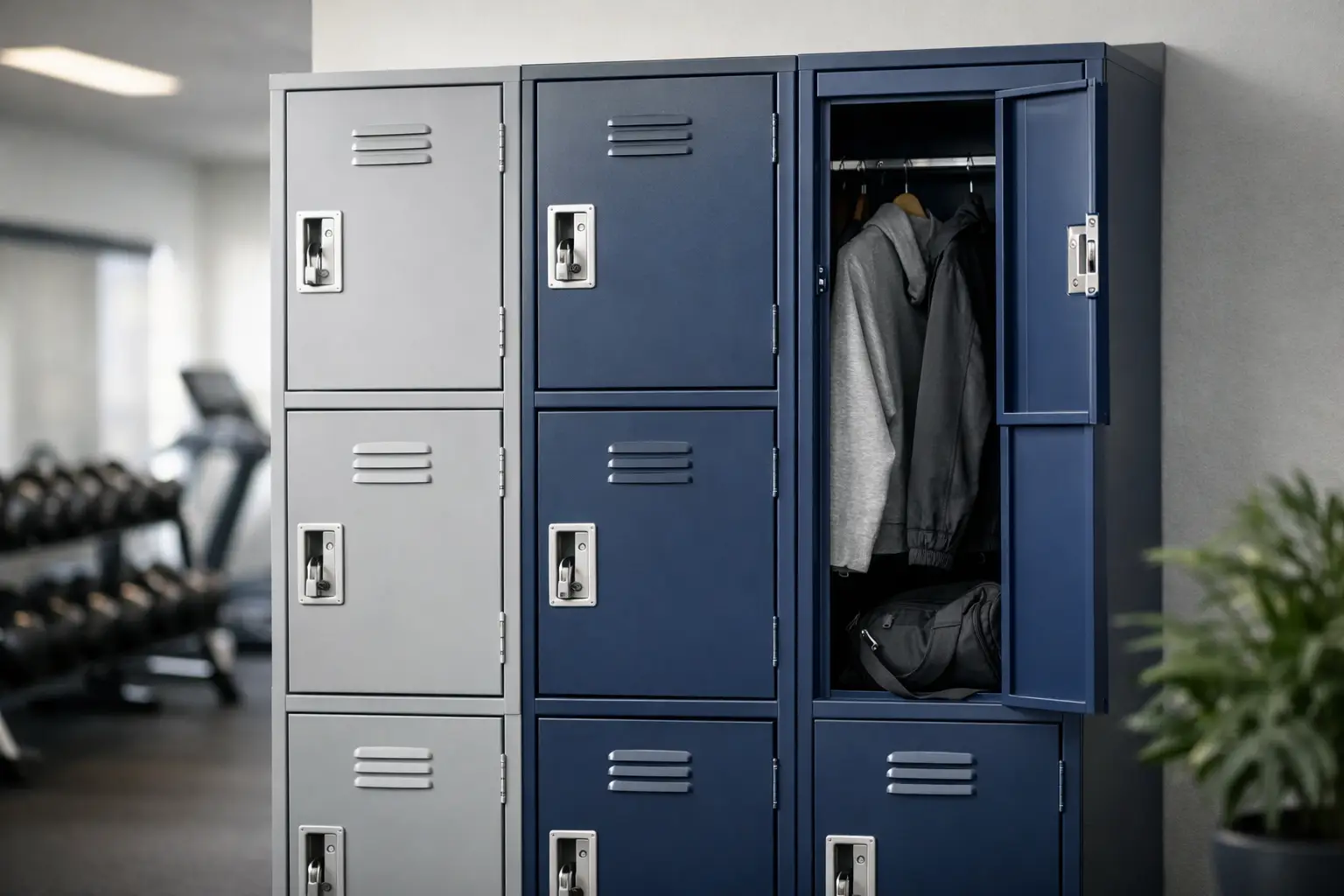
A crowded changing room usually fails for one reason – the storage plan was too small for the space and too generic for the users. A 2 tier locker solves that problem in a practical way. It gives each user more vertical storage than small compartment systems while doubling capacity compared with single-door lockers in the same footprint.
For facility managers, procurement teams, and distributors, that balance matters. Locker selection affects circulation, user satisfaction, maintenance workload, and the long-term cost of the fit-out. The right unit is not just a metal box with doors. It is part of the daily workflow in schools, factories, offices, gyms, healthcare spaces, and staff areas.
Why a 2 tier locker is often the right middle ground
A 2 tier locker sits between full-height personal storage and high-density multi-door systems. That makes it one of the most flexible formats in commercial environments. Each column is divided into two separate compartments, so two users share the width of one locker body while still getting enough height for clothing, bags, PPE, and personal items.
This format works well when users need more than a small cube but less than a full wardrobe-sized compartment. In staff changing rooms, for example, employees may need room for folded garments, shoes, helmets, lunch bags, or documents. In fitness and education settings, users often need practical storage for coats, backpacks, and daily essentials without wasting wall space on oversized compartments.
That is the core advantage. A 2 tier locker improves storage density without pushing usability too far. Some higher-density options maximize headcount, but they can become restrictive for users and frustrating for operators. Two-tier designs usually avoid that trade-off.
Where 2 tier lockers perform best
The strongest applications are spaces where personal storage demand is high, floor space is limited, and turnover is steady. Staff locker rooms, schools, training centers, sports facilities, warehouses, and industrial sites are common examples.
In offices and commercial buildings, a 2 tier locker can support hybrid work patterns. Employees may not need a full-height wardrobe every day, but they still need secure storage for personal items, laptops, and outerwear. In these cases, the layout has to feel efficient without looking temporary.
In industrial environments, the requirement changes. Buyers may need compartments that can handle workwear, safety gear, and daily use under tougher conditions. That puts more emphasis on steel thickness, ventilation, door strength, and coating quality. The format still works, but the specification has to match the site.
Gyms and wellness spaces present another variation. Users want quick access, smooth door operation, and enough internal room for clothing and bags. Appearance matters more in these settings, but durability still drives lifecycle cost. A locker that looks good at installation but dents easily or loses door alignment will create problems quickly.
What to check before you choose a 2 tier locker
The first question is not color or lock type. It is user behavior. What exactly will be stored, how long will it be stored, and how often will the locker be opened each day? Those answers shape the specification.
Dimensions come first. Width, depth, and internal height need to reflect the actual storage load. A narrow unit may improve capacity on paper but frustrate users if bags or PPE do not fit comfortably. A deeper locker can improve usability, though it also affects aisle clearance and room planning. Good procurement decisions start with realistic use, not assumptions.
Material quality matters just as much. In B2B environments, the steel structure needs to hold alignment over years of use. Thin material can reduce upfront cost, but it often shows weakness in doors, hinges, and body rigidity. Repeated opening, impact, and uneven loading expose those weaknesses fast. For distributors and project buyers, that means more complaints and more replacements.
Ventilation is another detail that should not be treated as optional. In changing rooms, industrial sites, and sports facilities, air flow helps manage odor and moisture. The required level depends on the application. Dry office use needs far less ventilation than wet-area or shift-based environments where garments and footwear are stored daily.
Security also varies by site. A simple hasp lock arrangement may suit some staff areas where padlock flexibility is preferred. In other projects, integrated key locks, master key systems, or digital locking options may be more appropriate. There is no universal answer. The right choice depends on user turnover, management control, and replacement procedures.
Construction details that affect long-term performance
Buyers often compare locker capacity and unit price first. That is understandable, but long-term performance usually depends on smaller construction details.
Door reinforcement is one of them. Doors take the most abuse, especially in schools, factories, and gyms. Reinforced doors hold shape better, close more cleanly, and resist forced bending. Hinge quality has the same effect. Weak hinges create sagging, poor alignment, and noisy operation over time.
The coating system deserves attention too. Powder coating is standard for many metal lockers, but the quality of preparation and finishing affects scratch resistance, corrosion protection, and appearance retention. In humid environments or intensive-use spaces, finishing quality can make a large difference in service life.
Base design matters as well. Some projects require lockers on legs for easier cleaning. Others prefer a plinth base for a cleaner visual line or to reduce debris accumulation beneath the units. Neither is automatically better. It depends on hygiene requirements, floor conditions, and the maintenance routine.
Interior fittings can also change the value of the product. Shelves, hooks, hanging rails, label holders, sloping tops, seat benches, and compartment dividers all support different operating needs. For a procurement team, these are not cosmetic extras. They determine whether the locker works in the real environment.
Planning the layout around the locker, not just the wall
A good locker specification can still underperform if the room layout is poor. Capacity planning should include door swing, access routes, user flow, and bench placement. In staff changing areas, congestion during shift changes is a common issue. In schools and gyms, the pressure comes in short peaks, which makes circulation even more important.
This is where the 2 tier locker has a practical advantage. It supports strong capacity without pushing the room into an overly dense layout. Users can still access their compartments with less crowding than a very high-compartment configuration. That improves the day-to-day experience and can reduce wear caused by rushed use.
For multi-site buyers, standardization is often worth considering. Using a consistent locker format across locations makes installation, maintenance, and replacement easier. At the same time, some sites will need project-specific adjustments. A manufacturer with both standard production and customization capability gives buyers more control over that balance.
Standard product or custom specification?
For many projects, a standard 2 tier locker is the fastest and most cost-effective route. It simplifies quoting, shortens lead times, and makes repeat ordering easier. This is especially useful for distributors, phased site rollouts, and buyers who need dependable availability.
Custom production becomes more valuable when the operating environment has specific demands. That may include non-standard dimensions, reinforced configurations, special locking systems, color matching, ventilation changes, integrated benches, or compartment layouts designed for PPE and workwear.
The key is to avoid unnecessary customization while not forcing a standard product into the wrong application. If a standard model meets the use case, it is usually the better commercial decision. If it creates compromises in access, durability, or compliance with site needs, a tailored solution may save more over the life of the installation.
What buyers should ask suppliers before ordering
The strongest supplier conversations are practical. Ask about steel thickness, door reinforcement, lock options, coating process, ventilation details, assembly method, warranty terms, and production lead time. Ask whether the locker is designed for flat-pack delivery or welded construction, and how that choice affects transport, installation, and durability.
It is also worth asking how easily the supplier can handle project variation. A distributor may need repeatable standard units across multiple orders. A facility buyer may need one part of the order in standard sizes and another part adapted for a specific site. Manufacturing flexibility is not a side issue in this category. It directly affects procurement speed and project execution.
Loxmet works with this kind of requirement every day, combining standard metal locker production with custom fabrication for workplace storage needs. For buyers managing multiple environments, that approach reduces sourcing complexity and helps keep specifications aligned with actual use.
A 2 tier locker is a straightforward product, but choosing the right one is not just about filling a room. It is about giving users enough space, protecting the investment, and making sure the storage system still performs after years of daily use. When the specification matches the workflow, the result is simple – fewer complaints, better organization, and a facility that runs the way it should.