


Highlights
Smart Lockers for Modern Workplaces

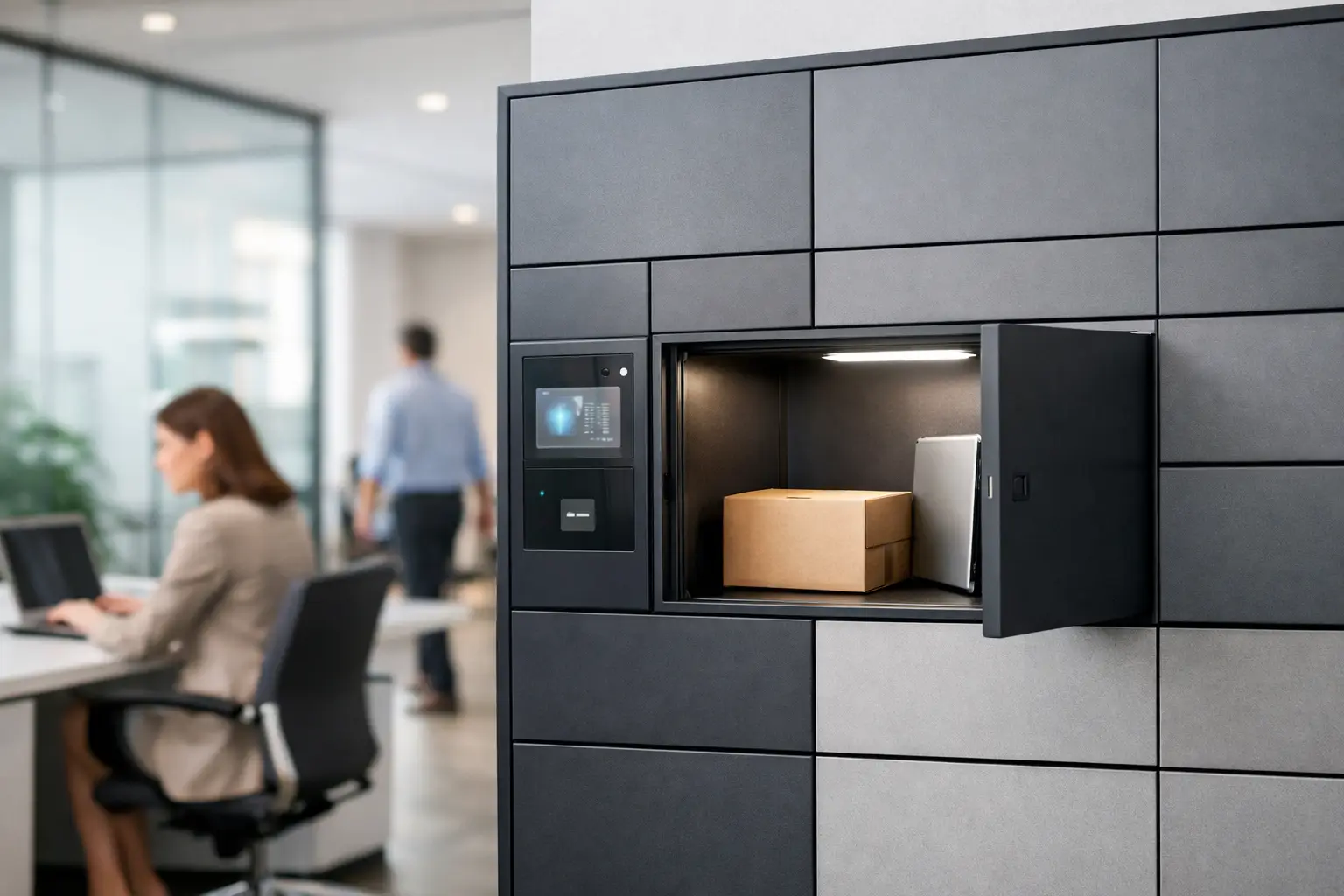
A standard locker does one job well – secure physical storage. Smart lockers add control, visibility, and automation on top of that. For many businesses, that changes the locker from a basic furnishing into part of the facility’s daily workflow.
That shift matters most when storage is tied to people movement, device management, shared assets, or controlled access. In those settings, smart lockers can reduce manual handovers, improve accountability, and make better use of limited space. But they are not the right answer for every project, and buyers should assess them with the same discipline they apply to any operational equipment.
What smart lockers actually do
Smart lockers are storage units equipped with electronic access control and, in many cases, software that manages user permissions, usage records, and locker availability. Instead of relying only on mechanical keys or padlocks, access may be granted by PIN code, RFID card, mobile credential, or centralized admin control.
The hardware is only part of the system. The real value often comes from how the locker interacts with the facility. A school may assign compartments by user group. A warehouse may control temporary access for handheld devices. An office may use shared lockers for hybrid staff rather than fixed lockers for every employee. A parcel room may automate pickup without staff supervision.
That is why smart lockers are less a single product category and more a storage platform. The right configuration depends on what is being stored, who needs access, how often it changes hands, and how much oversight the operator requires.
Where smart lockers make the most sense
Smart lockers are most effective when a manual storage process is creating cost, delays, or weak control. Shared workplaces are a clear example. If staff attendance changes daily, assigning one locker per employee wastes floor space. A managed locker bank allows flexible use while keeping access secure and organized.
Device storage is another strong use case. In offices, schools, logistics operations, and industrial sites, phones, tablets, scanners, and laptops often need charging, tracking, and controlled return. A smart locker system can record who accessed which compartment and when. That creates accountability without adding constant supervision.
High-traffic facilities also benefit. Gyms, universities, healthcare sites, and transport hubs often deal with a high turnover of users. In these environments, simple key-based systems can become difficult to manage at scale. Lost keys, reassignments, and unauthorized access all add friction.
There is also value in temporary asset handover. Maintenance teams, contractors, drivers, and shift workers often need access outside standard admin hours. Smart lockers can support controlled self-service access, which reduces dependency on reception desks or supervisors.
Smart lockers versus traditional lockers
For many projects, traditional metal lockers remain the stronger choice. They are durable, cost-effective, and easy to maintain. In staff changing rooms, schools, and industrial facilities where users keep the same locker long term, a standard locker system can be the better investment.
Smart lockers become more compelling when access needs to be dynamic. If lockers are reassigned frequently, monitored centrally, or integrated into a wider process, electronic control can justify the higher upfront cost. The gain is operational rather than cosmetic.
That trade-off is important. Smart lockers involve more planning, more components, and a different maintenance profile. Buyers should not pay for technology that the site will never use. At the same time, choosing a basic locker where the operation clearly requires visibility and controlled turnover can create avoidable labor and security problems.
The key buying questions
Before comparing models, buyers should define the job the locker needs to perform. The first question is whether the locker is for personal storage, shared storage, asset management, or delivery and collection. Each use case points to a different compartment layout, control method, and user flow.
The second question is traffic level. A low-use admin office can tolerate a simpler setup than a large site with constant daily circulation. Door cycles, user numbers, and peak periods all affect the specification.
The third question is what level of audit trail is required. Some facilities only need controlled opening. Others need records tied to users, timestamps, or asset issue and return. That difference shapes the value of the software layer.
Physical environment matters as well. Locker systems placed in industrial areas, production plants, or transport sites need heavy-duty construction, stable components, and finishes suitable for demanding conditions. Electronics do not remove the need for strong metal fabrication. If the body, hinges, doors, and compartments are weak, the smart features will not compensate.
Smart locker design still starts with the cabinet
Buyers sometimes focus heavily on the access technology and overlook the cabinet itself. That is a mistake. A locker is still a physical product exposed to impact, repeated use, uneven loading, and user abuse. In commercial settings, durability is not optional.
Material thickness, door rigidity, weld quality, ventilation, compartment sizing, and finish quality all affect service life. If the lockers are used for charging devices, cable routing, heat management, and safe power integration also become essential. If they are placed in staff areas, ergonomics and cleaning access matter more than many buyers expect.
This is where a manufacturing-led approach has an advantage. Businesses often need more than a standard box with an electronic lock. They may require mixed compartment sizes, sloped tops, numbered doors, charging functions, master access control, or integration with existing layouts. A supplier with custom metal production capability can adapt the physical product to the application instead of forcing the site to adapt to a fixed design.
Common mistakes in smart locker projects
One frequent mistake is over-specifying the system. Not every workplace needs app-based access, advanced analytics, or a highly complex management platform. If the site only needs secure shared storage with controlled entry, a simpler smart solution may deliver better value and lower maintenance.
Another mistake is underestimating user behavior. If access methods are confusing or too dependent on training, adoption suffers. The best systems are easy to understand at first use. That matters in schools, gyms, and visitor-facing environments where users may interact with the locker only occasionally.
A third mistake is treating the locker as an isolated purchase. In practice, it affects power provision, network planning, installation sequencing, and after-sales support. Procurement teams should involve operations and facilities staff early, especially for larger rollouts.
There is also a budgeting mistake that appears often. Buyers compare smart lockers only on unit price and ignore service life. A lower-cost unit with weaker construction, limited parts support, or poor door alignment can become expensive very quickly in high-use environments.
How to evaluate suppliers for smart lockers
Commercial buyers should look beyond the lock type and ask practical supply questions. Can the supplier deliver standard products quickly? Can they handle project quantities without compromising consistency? Can they customize dimensions or internal layouts when the site demands it? Is the cabinet built for repeated commercial use rather than light-duty use?
Support matters as much as product range. A dependable supplier should be able to discuss use case, traffic level, installation environment, and future scaling – not just send a catalog. For distributors and project buyers, production flexibility is especially valuable because customer requirements often change late in the process.
For this reason, many buyers prefer to work with manufacturers that already understand industrial storage, workplace furniture, and project-based supply. A company such as Loxmet brings value not only through the locker itself, but through the ability to combine durable metal construction, customization, and reliable production for business-scale orders.
When smart lockers are worth the investment
Smart lockers are worth serious consideration when storage needs to be shared, monitored, time-controlled, or integrated into a broader workplace process. They are especially effective for hybrid offices, staff asset control, device charging, education environments, parcel collection points, and facilities with extended or unsupervised access periods.
They are less compelling when users are fixed, turnover is low, and the operational need is straightforward. In those cases, a well-built traditional locker may deliver the better return.
The decision is rarely about whether smart technology is good or bad. It is about fit. The right locker system should match the way the site operates today while leaving room for how it may operate next year. Buyers who start with the workflow, then specify the cabinet strength, access method, and supply requirements accordingly, usually make the better long-term purchase.
A smart locker should do more than look advanced on a specification sheet. It should reduce friction, improve control, and stand up to years of real use.