


Highlights
Locker Lock Types: Keys, Codes, RFID and Digital

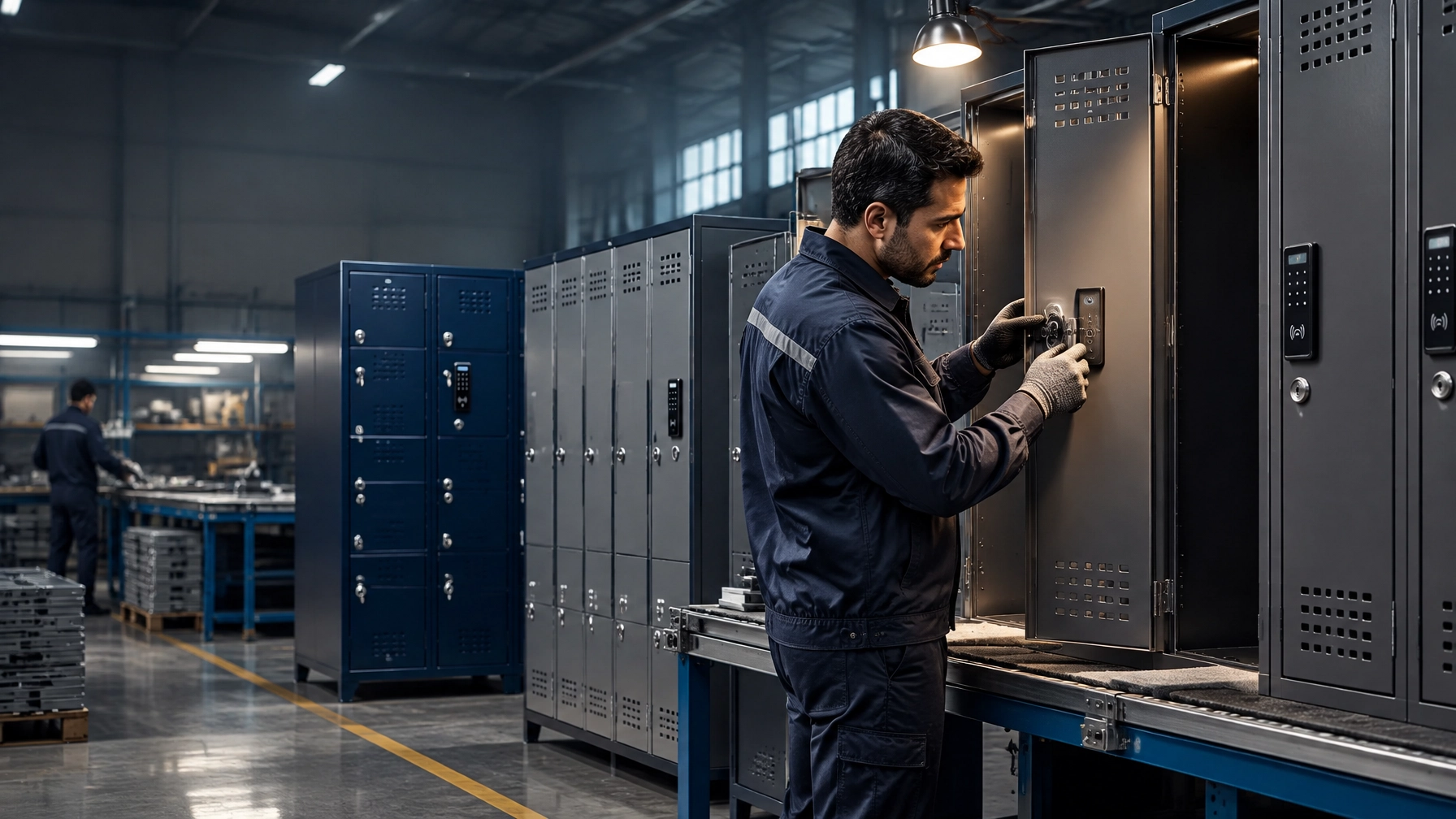
Choosing a lock starts with your user routine. Are lockers assigned to the same staff, shared across shifts, or used by visitors for a short time? These locker lock types compare access methods, management work and common facility uses so you can specify a reliable system.
| Lock type | Best-fit facility | User routine | Management overhead |
|---|---|---|---|
| Key cam lock | Offices, factories and staff rooms | Usually assigned | Distribute keys; manage spares and lost-key replacements |
| Padlock holder | Shared workplaces, schools and gyms | Assigned or shared | Users bring compatible padlocks; set a policy for abandoned locks |
| Mechanical combination | Staff areas and changing rooms | Assigned or shared, depending on model | Manage forgotten codes and reset procedures |
| Electronic combination | Managed workplaces and shared facilities | Assigned or shared, depending on model | Plan for code resets, batteries and emergency access |
| RFID electronic lock | Corporate or wellness sites with access cards | Assigned or managed shared use | Manage credentials and confirm system compatibility |
| Coin-return or coin-retain | Gyms and leisure facilities | Short-term, shared use | Manage coins or tokens, collection and exceptional access |
Compare locker lock types by access routine
The right choice depends less on the lock’s appearance and more on who uses it, how often users change, and who manages access. If users have a locker assigned for months, a simple key or combination system may be practical. If the same compartment serves many users each day, shared-use access can reduce key handovers and resets.
LOXMET’s standard accessory range includes key locks, padlock holders, mechanical combination locks, electronic combination locks and RFID electronic locks. Its 20-door mobile phone locker lists key locking and compatible padlock, combination and RFID options. Check the model and configuration before specifying a lock.

Key cam locks
A cam lock operates with a key that turns a cam behind the door to secure or release it. It is straightforward, familiar and does not require batteries or code management. Key locks can suit assigned lockers where users keep their own keys, or supervised areas where staff control key issue.
The main overhead is key administration. Decide who holds spare keys, how keys are returned when staff leave, and what happens if one is lost. Facility teams may also ask suppliers about master-key or keyed-alike arrangements. Confirm which key-management configurations are available for the chosen order.
Padlock holders
A padlock holder lets a user secure a compatible hasp with their own locker padlock. It can work well where users are assigned lockers but the facility does not want to distribute keys. It also suits some shared sites: users bring a padlock when they need a locker and remove it after use.
Set a clear procedure for abandoned locks. Staff need to know how to identify unused lockers and what authorization is required before a lock is removed. LOXMET offers padlock holders as an accessory; confirm compatibility with your selected locker doors and padlocks.
Mechanical combination locks
A combination locker lock replaces a physical user key with a mechanical code. It does not depend on a battery, which can simplify routine upkeep. Depending on the lock, users may set a private code or use a code assigned by facility staff.
This can suit stable teams as well as certain shared facilities. The practical question is how a forgotten code is recovered and who is allowed to reset the lock. Establish that procedure before opening the lockers for use. LOXMET lists a mechanical combination lock among its accessories.
Electronic combination locks
Electronic locker locks commonly use a keypad and battery-powered access. Depending on the selected lock, the operating mode may support assigned or shared use. They remove everyday key distribution, but the facility needs a plan for code resets, battery checks and authorized access if a user cannot open a compartment.
Ask the supplier to confirm how the specific model handles code changes, low batteries and emergency access. Do not assume every keypad lock has the same features. Browse LOXMET’s locker accessories to compare available options, including electronic combination locks.
RFID electronic locks
An RFID locker lock uses a card or fob as a credential. It can suit a corporate office, staff wellness area or other managed facility where users already carry access cards. It can reduce the need for separate locker keys, but credential compatibility and the process for lost cards matter.
Before ordering, confirm whether the card or fob works with the lock and how credentials are added or removed. Ask about battery requirements and emergency access for the exact product. LOXMET lists an RFID card reader electronic lock in its range.

Coin-return and coin-retain locks
Coin systems are commonly used for short-term, shared locker use in gyms and leisure facilities. A coin-return lock returns the coin when the locker is opened according to its mechanism. A coin-retain lock keeps the coin, often as a charge for use. Confirm the required coin or token and how the collection or return mechanism is serviced.
Facilities with frequent user turnover may prefer padlock or coin systems because they avoid issuing a permanent key to every temporary user. However, coin locks are not listed among LOXMET’s lock options in the product information reviewed for this guide. Ask the sales team about your required specification before assuming availability.
Choose by assignment, turnover and control
Buyers comparing the different types of locker locks usually reach the same decision points: assignment, turnover and control. Use this quick buyer check before requesting a quotation:
- Assigned users, stable team: Compare key locks and mechanical combinations. Decide whether you prefer issuing keys or managing codes.
- High turnover or shared lockers: Consider padlock holders or a shared-use electronic system. Keep the user steps simple.
- Existing access cards: Check whether RFID is compatible with the credential system already in use.
- Staff-managed site: Specify who will handle spare keys, code resets, lost credentials and exceptional access.
- Short-term public or leisure use: Compare coin-return and coin-retain systems with the actual operating policy and service routine.
Cost depends on the selected lock, locker configuration and order specification. There are no standard prices in this guide; request a quotation for your required setup. Also include the lock type when you plan custom production. LOXMET offers custom locker fabrication, with lock type among the specification details buyers can request.
For broader locker selection, compare standard-size lockers and the phone and laptop locker range. Related guides cover phone lockers, small lockers and laptop charging lockers.
Plan for safe and practical storage
A lock is one part of a workplace storage decision. Consider what users need to store, how workwear or personal belongings are handled, and whether clean and contaminated clothing must be separated. HSE guidance says workers need a way to keep clothing and personal effects safe, and provides advice about changing areas and lockers. Its welfare-at-work guidance also discusses clothing storage, ventilation and keeping work-soiled clothing apart from personal clothing.
Where special work clothing is required, the Workplace (Health, Safety and Welfare) Regulations 1992 set requirements for suitable and sufficient changing facilities in relevant circumstances. Check applicable local regulations and site requirements when planning storage. For workwear lockers, dirty lockers, uniform lockers and PPE lockers, consider the complete storage procedure, not only the lock.
LOXMET manufactures in Istanbul, Turkey, with more than 100 standard products and custom fabrication options. Standard catalogue products in catalogue colors are generally delivered within 10 working days; custom colors and made-to-order products typically require approximately 10 additional working days. Single-piece orders are welcome, bulk pricing is available for orders exceeding two container or truck loads, and the warranty covers production faults for 10 years.
Buyer Questions
What should I choose for lockers assigned to employees?
Start by comparing key locks and mechanical combination locks. Choose based on whether you prefer to manage physical keys or user codes, and confirm the process for lost keys or forgotten codes.
Which option suits shared lockers with high user turnover?
Padlock holders can let users bring their own locks. Electronic combination or coin systems can also be considered for shared routines, subject to the exact model and how the facility manages access.
What happens if a locker key is lost?
Follow your site procedure for verifying the user and securing the compartment. Decide in advance who can use a spare or authorized override and whether the lock or key needs replacement.
How are combination locks reset?
Reset procedures depend on the lock model. Ask the supplier how administrators reset codes and what access is available if a user forgets their combination.
Is RFID right for our facility?
RFID can fit a site that already uses compatible cards or fobs. Confirm compatibility, credential management, battery requirements and emergency access before ordering.
Does LOXMET list coin locks?
Coin-return and coin-retain locks are discussed here as general locker options, but they are not listed among the LOXMET lock options referenced in this guide. Contact the team to discuss your project specification.
Request the Right Lock Configuration
Match the locking system to your user routine, management capacity and facility policy. Then confirm compatibility with your chosen locker and define procedures for lost keys, code resets or credential changes. Contact LOXMET to compare available lock options or request a quotation for standard or custom metal lockers.