


Highlights
Locking File Cabinet: When Office Storage Needs a Lock

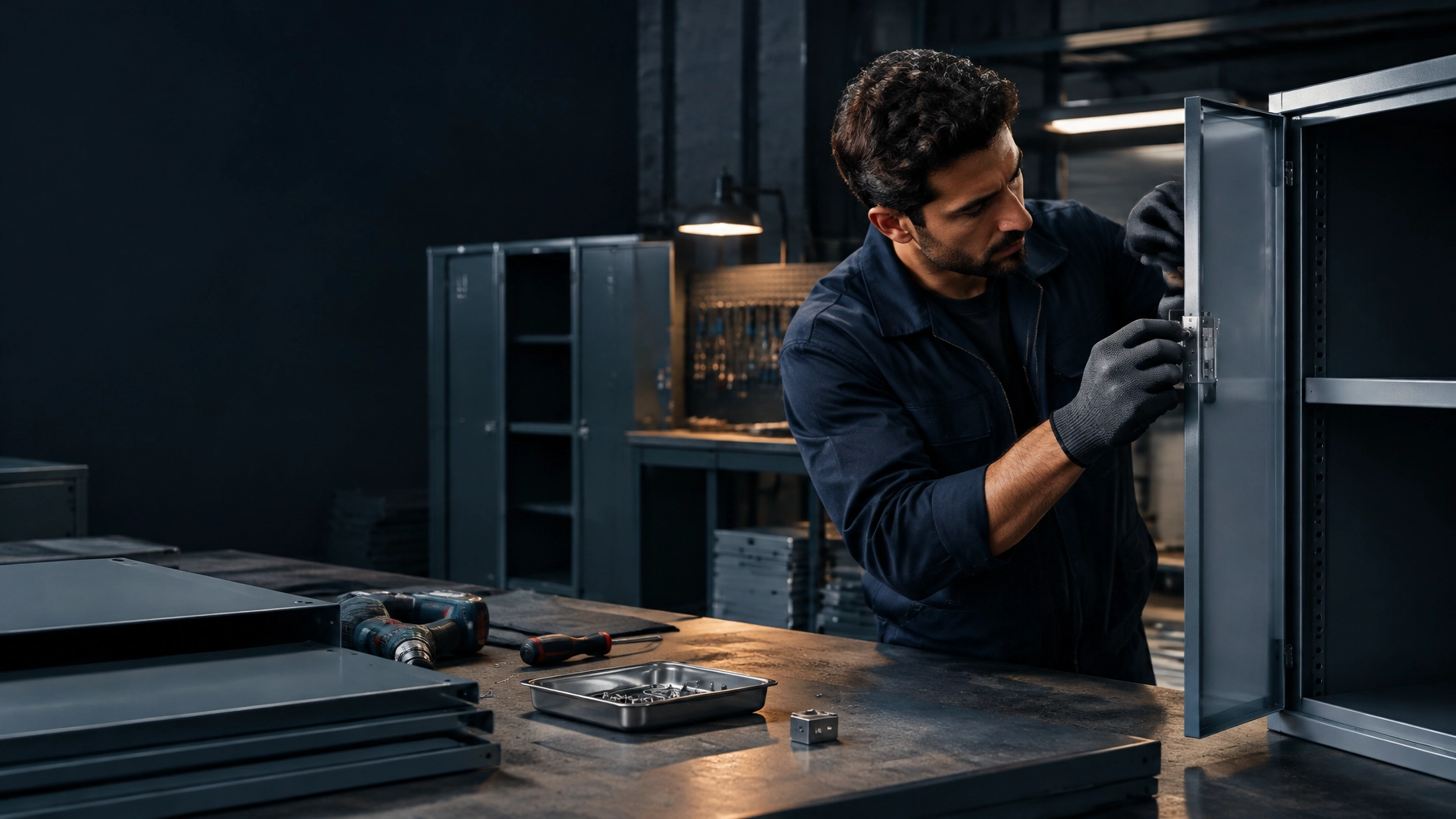
A locking file cabinet adds a practical access-control layer when confidential paper records are kept in shared workplaces. It helps prevent casual access, but the right choice depends on what you store, who needs access and the level of protection your records require.
| Records or requirement | Practical storage approach | Important limit |
|---|---|---|
| HR files, contracts or finance documents | Lockable cabinet with controlled key access | A cabinet lock does not replace access procedures |
| Personal records in a clinic or school office | Locked cabinet in an appropriately controlled room | Follow your organization’s privacy and retention policies |
| Everyday reference files | Open or lockable storage based on access needs | Avoid adding key-management work where it brings no benefit |
| High-value items or documents needing certified protection | Specify a suitable certified safe or security product | A standard metal office cabinet is not a safe |
Locking File Cabinet: When the Lock Matters
A lock is useful when files contain information that should not be available to every person who enters the office. Common examples include employee records, payroll documents, customer details, student administration records and clinic paperwork. A locked file cabinet also signals intent: storage that is clearly restricted is less likely to be opened casually than an unlocked drawer.
For UK organizations, the Information Commissioner’s Office (ICO) lists locked rooms, cabinets, cupboards or drawers as options for keeping physical records secure. It also recommends controlling access to keys and codes. A cabinet lock supports that process; it does not make an organization automatically compliant with data-protection requirements. Set access permissions, train staff and follow the rules that apply to your organization.
A locking cabinet is most useful against casual or opportunistic access, for example, someone opening a drawer while passing through a shared office. It is not designed to withstand a determined attack. If your risk assessment calls for certified resistance to attack, fire or another defined threat, specify a properly rated safe or specialist product. Do not assume an ordinary steel filing cabinet provides those protections.

Match the Lock to the Cabinet
Loxmet’s published filing cabinet models use a key lock with a central locking system. The listed two-drawer model measures 465 × 620 × 685 mm (W × D × H); the four-drawer model measures 465 × 620 × 1,300 mm. Check the product details and dimensions for the model you are considering.
Central locking generally means one lock operates the cabinet’s drawers together. It is different from treating each drawer as an independently secured compartment. Confirm the locking behavior for the exact cabinet before ordering, especially if different teams need separate access to different records.
Loxmet also lists office cupboards with a different configuration: the four-shelf office filing cabinet has a two-point espagnolette lock with key. Review the office cabinets range to compare drawer cabinets with cupboard formats. For broader guidance on choosing a lockable model, see how to choose a lockable filing cabinet.
Consider Key Administration
Before selecting a keyed cabinet, decide who will hold the keys, where spares will be kept and who can authorize access. Keep a simple record of key issue and return. When staff roles change, update access arrangements promptly.
Ask the supplier whether master-keyed or keyed-alike options are available for your required model. Do not assume they are standard. If a key is lost, follow your site procedure: verify who needs access, secure the records and ask about replacement keys or lock replacement for the specific lock. The accessories range includes locks for storage products; confirm compatibility before specifying a replacement.
Loxmet’s lock-types guide explains access methods across its locker range. Those options do not mean electronic or code locks are available on every office cabinet. Confirm the exact cabinet configuration with the sales team before placing an order.
Secure Records Without Creating Access Problems
A lock works best as part of a straightforward routine:
- Give keys only to authorized staff.
- Store spare keys securely and record who can access them.
- Lock records away when the office is unattended.
- Avoid leaving files on desks or in open drawers.
- Review access when staff join, change roles or leave.
- Follow your organization’s retention and secure-destruction procedures.
These steps matter in any workplace holding personal information. The ICO’s guidance on access to physical records describes access controls and keeping records from being left unattended. Its guidance on physical security also discusses secure storage and controlling access to keys, cards or codes.

Place the Cabinet for Safe Daily Use
Choose a position that allows drawers to open fully without blocking an aisle, doorway or work area. Keep drawers closed when they are not in use. HSE guidance identifies keeping cupboard drawers closed as a simple way to reduce trip risks.
Assess the cabinet’s stability and follow the manufacturer’s installation instructions. Where the cabinet, its loading or its location creates a foreseeable tip-over risk, consider securing it to a suitable structure using appropriate fixings. The right method depends on the cabinet and the wall; do not assume every cabinet needs the same fixing. Keep heavier files in lower drawers and avoid overloading.
For additional fit guidance, compare filing cabinet sizing and the lateral versus vertical filing cabinet guide. These help you plan the cabinet footprint and drawer clearance before ordering.
Metal Office Storage Built for Everyday Use
Loxmet manufactures metal office cabinets in Istanbul, Turkey. The range includes more than 100 standard products, with custom fabrication available for project requirements. Standard catalogue products in catalogue colors generally have a 10-working-day lead time. Custom colors and made-to-order products typically require approximately 10 additional working days.
You can order a single product. Special pricing is available for orders exceeding two container or truck loads. Loxmet provides a 10-year warranty for production faults. If your file cabinet with lock needs a different size or configuration, discuss a custom solution with the team.
Frequently Asked Questions
When does an office need a locking file cabinet?
Choose one when paper records should not be available to everyone using a shared office. HR, finance, personal, student and clinic records are common examples. Set clear key-control procedures alongside the cabinet.
Does a locked cabinet guarantee GDPR compliance?
No. It is one physical security measure, not a complete compliance solution. Organizations must assess their own risks, manage access and follow applicable data-protection requirements. Review ICO guidance for your jurisdiction and circumstances.
Does one key lock each drawer separately?
Loxmet’s published vertical filing cabinets list a key lock and central locking system. Confirm how the lock operates on the exact model before ordering; do not assume each drawer has an independent lock.
Are Loxmet office cabinets fireproof or certified safes?
The standard office cabinet information does not specify a fire-resistance rating or safe rating. If you need certified protection, request documentation for the exact product and choose equipment that meets your stated requirement.
Can I request a master key or electronic lock?
Ask the sales team to confirm available options for the cabinet you want. Do not assume master-keyed, electronic or code locks are included in the published filing cabinet specification.
What should we do if a cabinet key is lost?
Follow your access procedure, verify the authorized user and secure the records. Then ask the supplier whether a replacement key or lock change is appropriate for that model.
Should a filing cabinet be anchored to a wall?
Assess stability, cabinet height, loading and the installation location, then follow the manufacturer’s instructions. If a tip-over risk is identified, use a suitable fixing for the cabinet and wall construction.
Choose Secure Storage With Confidence
Compare the lock operation, record access routine, cabinet dimensions and installation needs before you select a model. Explore the Loxmet office cabinet range or contact our team with your file-storage requirements. We will help you check the suitable standard or custom option.