


Highlights
Triple Locker Buying Guide for Workspaces

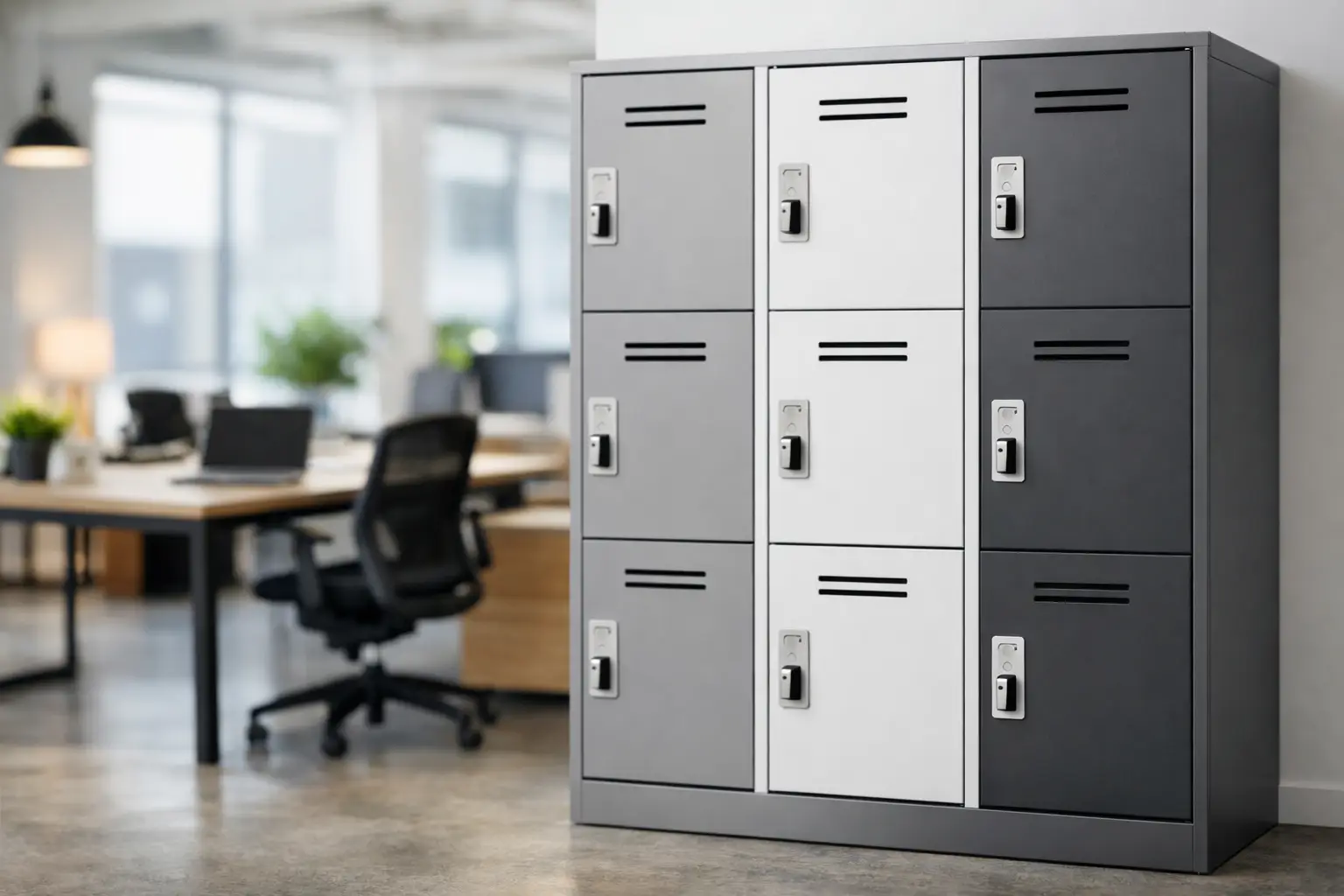
When floor space is tight but storage demand keeps growing, a triple locker often becomes the practical answer. It gives facilities three vertical compartments within one locker body, which means more users per footprint and better control over personal storage in busy environments. For procurement teams, that usually translates into better space efficiency without moving to a larger locker room or sacrificing durable construction.
What a triple locker is really solving
A triple locker is not just a smaller-compartment version of a standard locker. It is a layout decision. You are trading larger personal volume for higher user capacity, which makes sense in workplaces where staff need secure storage for everyday items rather than bulky gear.
That distinction matters during specification. In an office, staff may only need room for a bag, personal items, and a light jacket. In a factory, employees may need PPE, work shoes, or folded uniforms. In a school, students may need books and devices. The same triple locker format can work across all three settings, but only if the internal dimensions, door configuration, and lock type match actual use.
For many commercial buyers, the attraction is simple. A triple locker increases storage density, supports cleaner shared spaces, and helps assign individual compartments in a controlled way. It is especially useful when headcount is high and square footage is fixed.
Where a triple locker works best
The best applications for a triple locker are environments where many users need secure, personal storage but do not need full-height hanging space. Staff rooms, changing areas, schools, sports facilities, warehouses, distribution centers, and temporary project sites are common examples.
In office support areas, triple lockers are often used for hybrid teams. Not every employee needs a permanent desk, but many still need secure daily storage. A three-compartment layout makes that transition easier because it supports more users with less floor space.
In industrial settings, the fit depends on what employees carry. If workers only need to store personal items and compact PPE, triple lockers can be highly efficient. If they need to store larger protective equipment, boots, or clean-and-dirty clothing separately, a wider or full-height configuration may be the better choice.
For schools and training centers, the format works well because usage is frequent, capacity needs are high, and room layouts often favor narrow storage banks along corridors or inside changing rooms. For gyms and sports facilities, triple lockers can increase user count quickly, though compartment depth should be reviewed carefully if bags or helmets are involved.
Triple locker vs standard locker formats
The main reason buyers compare a triple locker with single- or double-tier units is capacity. A triple locker gives more individual compartments in the same general wall area. That can improve occupancy planning and reduce the number of locker banks required across a facility.
The trade-off is internal volume per user. A full-height single locker supports coats, larger bags, and longer items. A double-tier locker balances capacity with moderate storage space. A triple locker pushes further toward user density. That is efficient, but only when the stored items are compact enough to fit comfortably.
This is where many projects go wrong. Buyers sometimes choose the highest-density format based only on floor plan pressure. Later, users start leaving bags outside the lockers because compartments are too small. The result is clutter, complaints, and lower real-world performance. Capacity on paper is not the same as capacity in daily use.
What to check before specifying a triple locker
The right triple locker starts with dimensions, but dimensions alone are not enough. You need to consider how the locker will perform over time in the actual operating environment.
Compartment size and user behavior
Start with the most basic question: what will each user store every day? If the answer is a wallet, phone, keys, lunch bag, and light outerwear, triple lockers are usually a strong fit. If storage includes large backpacks, heavy winter jackets, boots, or specialized equipment, review the compartment height, width, and depth very carefully.
Small dimension changes can have a major effect on usability. A locker that is technically large enough may still feel cramped, which affects user satisfaction and adoption.
Material strength and door stability
For commercial use, metal construction remains the preferred option because it handles repeated opening, impact, and high occupancy better than lighter-duty alternatives. Door rigidity is especially important in triple locker configurations because the doors are smaller and more numerous, which increases cycle frequency over the life of the unit.
Buyers should look closely at steel thickness, reinforcement, hinge quality, and how the doors align under repeated use. In high-traffic facilities, weak doors and poor locking alignment create maintenance issues quickly.
Locking options
The best lock depends on how the facility is managed. Cam locks work well for assigned users and straightforward key control. Padlock fittings are often chosen when operators want users to bring their own locks. Digital or combination options may suit premium workplace, education, or fitness environments where key management becomes inefficient.
There is no universal best choice. If turnover is high, lock administration becomes part of the cost equation. If the facility serves permanent staff, a simpler lock system may be easier to maintain.
Ventilation and hygiene
Ventilation is sometimes overlooked with triple lockers because the compartments are smaller. In practice, airflow still matters. Daily-use storage can trap moisture, odors, and heat, especially in changing rooms, industrial workplaces, and sports environments.
Well-placed perforations or ventilation slots improve usability without compromising security. In some facilities, that small design feature has a direct effect on how acceptable the lockers remain after months of daily use.
Finish and corrosion resistance
A powder-coated metal finish is standard for many professional installations because it supports durability and a clean appearance. But finish performance depends on the environment. Dry office interiors place limited stress on the coating. Humid changing rooms, industrial washdown areas, and high-contact shared spaces place more.
If the installation area has moisture exposure or demanding cleaning routines, buyers should verify coating quality and suitability rather than assume all painted metal performs the same way.
Layout planning for triple locker installations
A triple locker can improve a room, but only if the layout works around real circulation and access. This is not only about how many units fit along a wall. It is about how users move, where doors open, and whether the room remains comfortable at peak occupancy.
In staff changing areas, aisle width matters. In school corridors, door swing and traffic flow matter. In gyms, benches and locker access need to work together. High-density storage should not create bottlenecks.
This is also where custom manufacturing can add value. Standard sizes often cover most requirements, but project-specific dimensions, sloping tops, integrated benches, numbering systems, color matching, or lock preparation can improve the fit for a particular site. For distributors and project buyers, that flexibility can reduce installation compromises and simplify procurement across multiple facility types.
When a triple locker is the wrong choice
Not every project benefits from a triple locker, even when space is limited. If users need hanging space for uniforms or coats, a single-tier option may be more suitable. If staff need to separate clean and dirty items, PPE, or personal belongings, a compartment with more internal volume may be necessary.
A triple locker may also be less effective in premium office environments where design expectations are higher and users expect more generous personal storage. In those cases, lower-density layouts can improve user experience and reduce complaints.
The right decision comes down to usage intensity, item size, turnover, and available floor area. Procurement teams that assess all four usually get better long-term value than teams focused only on purchase price or locker count.
Why business buyers choose triple lockers
For many facilities, a triple locker offers the best balance between capacity, durability, and floor-space efficiency. It supports growing user numbers without forcing a larger room footprint. It also creates a clear, individual storage structure that helps workplaces stay organized and easier to manage.
That said, the product only performs well when the specification reflects the real storage pattern. The best results come from matching compartment size, lock type, steel quality, and layout planning to the actual site. Manufacturers with broad standard ranges and custom capability, such as Loxmet, can support that process more effectively because they can adapt the product to the project instead of forcing the project to adapt to the product.
A triple locker is a practical investment when space matters, user numbers are high, and daily storage needs are well defined. If you start with how the locker will be used rather than how many units fit on a drawing, the final installation usually works better from day one and keeps working long after handover.