


Highlights
Utility Cabinet Selection for Demanding Workplaces

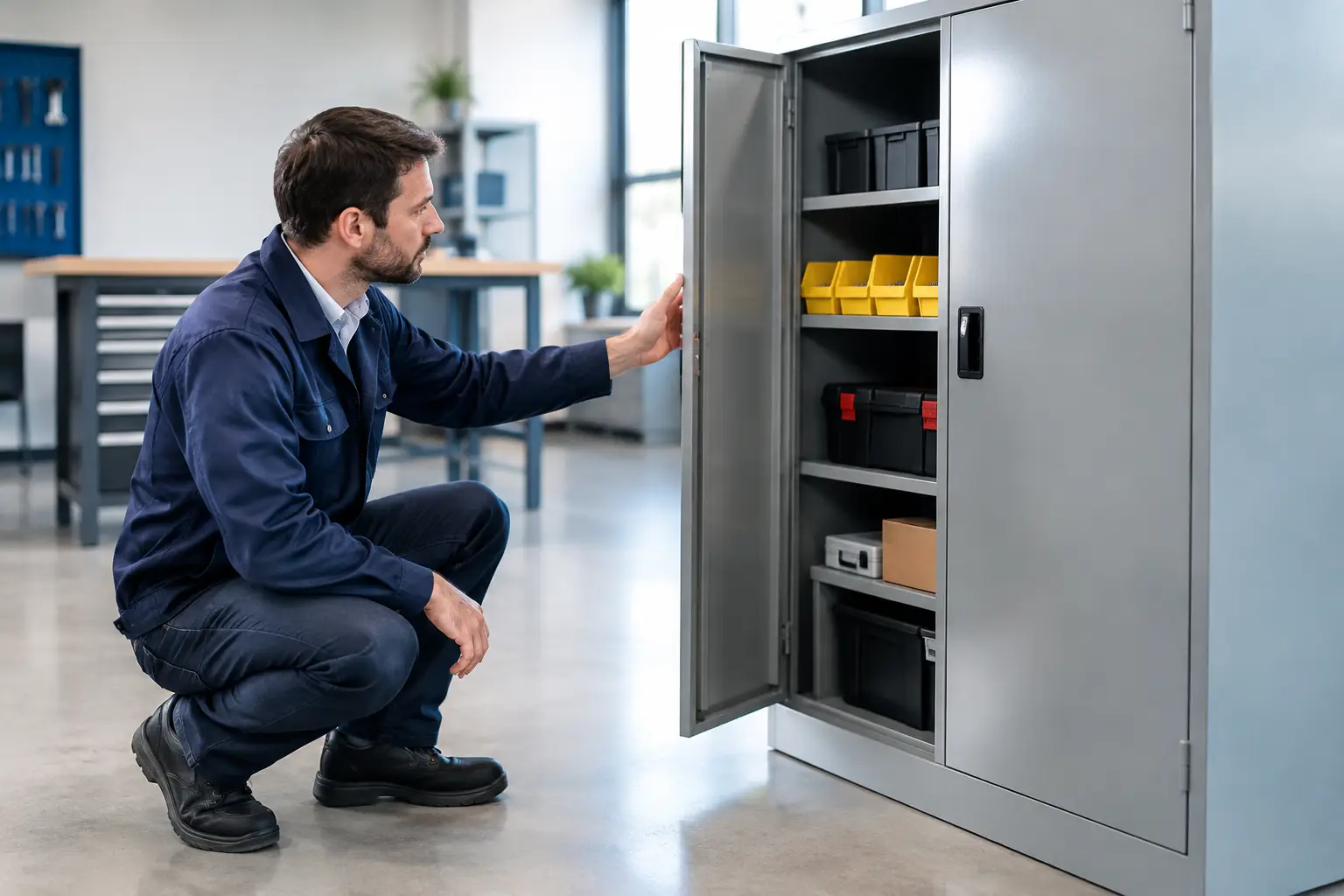
A utility cabinet is often expected to solve several problems at once: protect equipment, control access, reduce clutter, and keep essential supplies within reach. For a workplace, school, healthcare facility, warehouse, or maintenance area, the right cabinet is not simply a storage purchase. It is part of the facility’s daily operating system.
The best choice depends on what will be stored, who needs access, how frequently items move in and out, and the conditions around the cabinet. A cabinet used for archived files in a controlled office has different requirements than one holding tools, PPE, cleaning stock, or maintenance components on an active industrial floor. Selecting by appearance or exterior dimensions alone can create avoidable issues with capacity, safety, and service life.
Start With the Storage Task
Before comparing models, define the contents and the workflow around them. This determines cabinet depth, shelf strength, door configuration, locking needs, and internal layout.
For example, facilities storing boxed consumables may need wide shelf spans and adjustable shelf positions to accommodate changing carton sizes. Maintenance teams may prioritize a compact footprint with reinforced shelves for tools, parts, and electrical equipment. Administrative areas may need enclosed storage for records, stationery, or shared devices, where a clean finish and reliable lock matter more than extreme load capacity.
Frequency of access also matters. A cabinet opened throughout every shift should have durable hinges, handles designed for repeated use, and doors that do not interfere with busy walkways. Storage accessed only during replenishment cycles may allow for a higher-density arrangement or a more centralized location.
A clear storage brief should answer four practical questions:
- What items will be stored, and what is their maximum expected weight?
- How many users require access, and should access be shared or restricted?
- Where will the cabinet be installed, and how much clearance is available for open doors?
- Will the contents, stock levels, or operational use change over time?
These answers help buyers avoid the common mistake of purchasing a cabinet that fits the room but not the job.
Why Steel Construction Matters in a Utility Cabinet
For commercial use, steel is generally the practical choice when long service life and dependable security are priorities. A metal utility cabinet can withstand repeated loading, daily door movement, and the minor impacts common in busy facilities better than lighter-duty alternatives. Construction quality is not just a matter of cabinet weight. It includes steel thickness, reinforced door areas, shelf supports, welded or formed connections, and the consistency of the powder-coated finish.
Powder coating helps protect metal surfaces from scratches, moisture exposure, and routine cleaning. This is particularly valuable in locker rooms, workshops, educational facilities, and service corridors, where cabinets may be exposed to frequent contact and varied operating conditions. The right finish should be easy to clean and suitable for the visual standards of the space without sacrificing industrial durability.
Buyers should also review shelf loading capacity rather than assuming every shelf can carry the same weight. Heavy tools, binders, spare parts, and dense supply cartons can quickly exceed the limits of a light-duty shelf. Adjustable shelves provide flexibility, but they must still be supported by a frame designed for the intended load.
Choose Capacity Beyond Today’s Inventory
A cabinet that is full on installation day has no room to support growth, seasonal stock, or changing procedures. Planning for reasonable spare capacity reduces the need for uncontrolled overflow storage on desks, benches, and floors.
Start by measuring the volume of current stock, then account for packaging dimensions and access space. Tightly packed shelves may look efficient on paper, but they slow down retrieval and make inventory checks harder. In a maintenance department, for instance, technicians should be able to identify and remove commonly used items without unloading an entire shelf.
Cabinet depth deserves close attention. Deep cabinets can hold more, but they can also cause small parts and supplies to disappear behind front items. Adjustable shelves, labeled bins, and clearly defined storage zones can improve usability. For bulky goods, greater depth may be the right decision. For fast-moving small items, a shallower cabinet or a combination of cabinets and shelving may support a better workflow.
Height is another trade-off. Tall cabinets make good use of vertical space, especially where floor area is limited, but upper shelves should hold lighter or less frequently used stock. Facilities should consider safe reach distances and whether a step stool or other access method is appropriate for the environment.
Security Should Match the Contents
Not every stored item requires the same level of protection. A shared supply cabinet may only need a standard key lock to reduce casual access. Cabinets containing confidential documents, controlled tools, IT equipment, or higher-value inventory may require more deliberate access control.
Key-operated locks remain a straightforward option for many commercial settings, particularly when facilities need simple administration and dependable daily use. Where access must be managed across departments or shifts, lock systems should be selected with key control, replacement procedures, and authorized user groups in mind. The goal is not to add complexity for its own sake. It is to make responsibility clear and keep essential items available to the right people.
Door design contributes to security as well. Reinforced doors, protected lock areas, and stable hinges make a cabinet more suitable for demanding shared environments. For cabinets holding chemicals or hazardous materials, general-purpose storage is not enough. Select a cabinet specifically designed for the applicable material, safety procedures, and site requirements.
Plan the Cabinet Into the Room
A high-quality cabinet cannot perform well if it is placed poorly. Procurement teams and facility managers should assess the full area, not just the wall where the cabinet will stand. Measure door swing, aisle width, nearby workstations, emergency routes, and access to electrical panels or service points.
In high-traffic areas, doors that open into a main passage can interrupt operations and create a safety concern. In compact rooms, multiple narrower cabinets may be more useful than one large unit because they allow storage zones to be divided by department, stock type, or access level.
Wall and floor conditions should be reviewed when selecting tall or heavily loaded cabinets. Depending on the installation, anchoring may be advisable to support safety and stability. This is especially relevant in schools, public facilities, workshops, and areas where cabinets may be opened frequently or loaded unevenly.
Color can also support organization. Different cabinet colors or clear external labeling can distinguish PPE, maintenance inventory, documents, cleaning supplies, or departmental equipment. The system should be practical enough that staff can follow it without additional training.
Standard Products or Custom Configuration?
A standard utility cabinet is often the right choice when requirements are clear and delivery speed is a priority. Standard dimensions, proven door designs, and established shelf arrangements simplify specification and make repeat orders easier for multi-site buyers.
Custom manufacturing becomes valuable when the environment or stored contents create a specific requirement. This may include non-standard dimensions, additional shelves, specialized ventilation, divided compartments, a particular color, alternative locking arrangements, or a layout designed around existing equipment. The decision should be based on operational value, not customization for appearance alone.
For distributors and project buyers, a manufacturer with both standard production and custom metal fabrication capability provides useful flexibility. Loxmet supports commercial storage projects with heavy-duty metal furniture, standard product availability, and configurations tailored to workplace requirements. The best supply relationship is one that can support a quick order when the need is standard and a precise specification when the site demands more.
Check the Details That Affect Daily Use
Small product details can have a large operational effect over years of service. Inspect whether shelves are adjustable, whether handles are easy to operate with work gloves, and whether replacement keys or parts can be managed through the facility’s procedures. Confirm the internal clear dimensions, not only the external cabinet dimensions, especially when storing labeled boxes, binders, or equipment cases.
It is also worth considering cleaning and maintenance. Smooth, durable surfaces reduce time spent on upkeep. A quality metal cabinet should remain functional through regular wiping, routine inspections, and repeated loading without requiring special treatment.
The right cabinet does more than hide supplies behind closed doors. It gives teams a defined place for the materials they rely on, supports accountability, and keeps valuable floor space working for the business.