


Highlights
Charging Locker Buying Guide for Workplaces

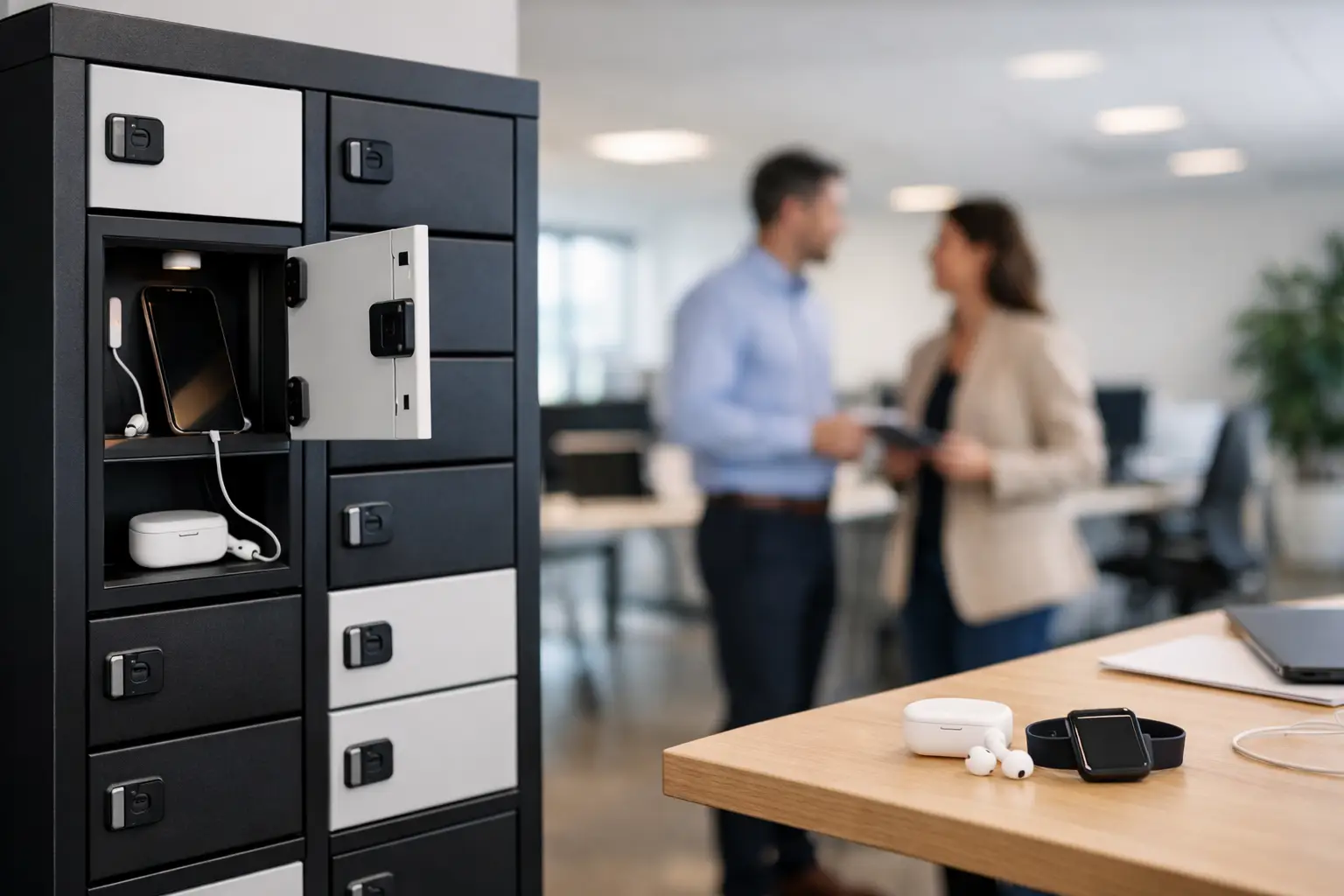
A charging locker solves a problem most facilities already feel every day: phones, tablets, laptops, and scanners need power, but open charging stations create clutter, cable damage, and avoidable security risks. In workplaces, schools, gyms, healthcare settings, and shared commercial spaces, the right locker is not just a convenience. It is part of how the site stays organized, protects assets, and supports daily operations.
For procurement teams, the real question is not whether charging storage is useful. It is which specification makes sense for the environment, the users, and the devices involved. That decision affects safety, service life, user satisfaction, and replacement costs over time.
What a charging locker needs to do well
At a basic level, a charging locker combines two functions: secure storage and controlled power access. That sounds simple, but commercial use quickly makes the details matter. A unit that works in a low-traffic office may not last in a school corridor, staff room, factory, or fitness facility.
The cabinet structure needs to withstand repeated daily use. Doors should close accurately, hinges should stay aligned, and locks should hold up under frequent access. Internal compartments need enough space for the actual devices in use, including protective cases where relevant. Power integration must be practical to service and safe to operate.
This is where many buyers benefit from a manufacturer-led approach. A charging locker is not just a piece of furniture with outlets added inside. It needs to be built around heat management, cable routing, access control, and long-term durability.
Choosing a charging locker by use case
The best specification depends on who uses the locker and how the devices move through the site.
In offices, charging lockers are often used for employee phones, tablets, and laptops in shared desk environments. Here, appearance matters alongside security. Buyers usually want clean lines, compact footprints, and enough compartments to support shift patterns or flexible seating. Key access, digital locks, or central management options may all fit depending on internal policy.
In schools and training centers, the priority shifts toward high-frequency use and straightforward compartment control. Students need clear, individual access. Staff need a solution that reduces loose cables and unauthorized charging in classrooms or hallways. In this setting, simple maintenance and durable metal construction usually matter more than visual extras.
In gyms and leisure facilities, users expect secure temporary storage for personal devices while they train. Moisture resistance, ease of cleaning, and vandal resistance become more important. Compartments need to handle phones and small electronics without wasting floor space.
In industrial sites, warehouses, and logistics operations, charging lockers may be used for handheld terminals, scanners, radios, and employee devices. This is a different requirement again. Buyers often need stronger construction, practical access methods, and layouts designed around business equipment rather than consumer electronics.
Healthcare environments bring another layer of consideration. Shared devices, staff phones, and portable equipment need organized charging while supporting hygiene protocols and controlled access. The right design here depends heavily on local workflow and cleaning standards.
Size, compartment layout, and device mix
One of the most common buying mistakes is choosing capacity by user count alone. A 20-door unit is not automatically the right answer for 20 users. The actual device mix matters more.
If the locker will hold smartphones only, smaller compartments can increase capacity and reduce footprint. If users need to store tablets, laptops, barcode readers, or ruggedized devices, internal dimensions need a closer review. Depth is especially important. Many lockers look adequate on paper until chargers, cases, and larger plugs are added.
Shared environments also need honest assumptions about peak usage. In some workplaces, only part of the team will use the charging locker at once. In others, shift changes create concentrated demand. Buyers should think in terms of real occupancy patterns, not just theoretical headcount.
A practical layout also makes service easier. If a power module or cable needs replacement, maintenance teams should be able to access it without taking the entire unit out of use.
Security is more than the lock type
When buyers compare charging lockers, they often focus first on whether the door has a key lock, padlock fitting, mechanical combination, or digital access. That matters, but security starts earlier with the cabinet itself.
Door strength, frame rigidity, hinge design, and lock reinforcement all affect how secure the unit really is. In public or semi-public settings, weak doors fail long before a lock mechanism does. For business buyers, this is why metal construction remains the standard for dependable performance.
The right locking method depends on the site. Key locks are simple and familiar, but keys can be lost and managed poorly at scale. Mechanical combinations remove key control issues, although they are not ideal for every user group. Digital locks support higher control and often suit managed facilities, but they come with higher specification costs and may require more planning for battery replacement or administration.
It depends on how the site is staffed and how often compartments turn over. A school, a logistics center, and a premium office may all need different answers.
Power integration and safety considerations
A charging locker must do more than provide power points behind doors. Electrical integration should support safe charging and practical cable management without creating heat buildup or damaged connections.
Internal socket type, voltage requirements, and charger strategy should match the market and device policy. Some buyers want users to bring their own chargers. Others prefer a standardized internal setup for simpler management. There is no universal rule here. Bring-your-own-charger models can reduce initial cost, but they also create inconsistency and more wear from different plug shapes and cable lengths.
Ventilation is another key factor. Any enclosed charging environment generates heat, especially when multiple devices charge at the same time. For lighter-use phone lockers, passive ventilation may be enough. For higher loads or larger devices, buyers should review the expected charging pattern carefully.
Cable routing should also be protected and orderly. Loose internal wiring may work briefly, but not in a facility where the unit opens and closes all day. A properly designed charging locker keeps cables controlled, reduces tampering, and makes replacement straightforward when needed.
Material quality and why it affects total cost
For commercial buyers, purchase price alone rarely tells the full story. A lower-cost unit may look competitive at quotation stage, then create avoidable costs through repairs, replacements, poor user experience, or early failure.
Material thickness, coating quality, weld consistency, and door hardware all affect product life. This is especially true in locations with heavy circulation or rough handling. Powder-coated steel construction remains a dependable choice because it combines strength, long service life, and straightforward cleaning.
Customization can also improve value when standard dimensions do not match the project. A facility may need a specific compartment size, lock type, color, ventilation pattern, or base configuration. For distributors and project buyers, working with a manufacturer that can adapt the unit to operational requirements often produces a better long-term result than forcing a standard product into the wrong application.
Installation, service, and procurement planning
A charging locker should be easy to specify, but buyers still need to review a few practical points before ordering. Power supply location matters. So does access for delivery and installation. A floor-standing unit may be right for one site, while wall-mounted or space-saving configurations fit another better.
Maintenance access is often overlooked. If electrical components are integrated, service teams need a clear way to inspect and replace them. In managed sites, replacement parts availability also matters. A unit that cannot be supported after installation becomes an avoidable procurement problem.
Lead time is another commercial consideration. Standard models can help when projects move quickly, but custom production may be the better decision if the locker needs to fit a precise use case. That balance depends on project schedule, budget, and how critical the storage function is to operations.
Manufacturers such as Loxmet support buyers best when they can offer both standard production and customization, because many projects fall somewhere between catalog simplicity and full bespoke fabrication.
When a standard charging locker works – and when it does not
A standard unit usually works well when the device type is consistent, the environment is predictable, and the buyer needs proven specifications delivered quickly. Offices, staff rooms, schools, and light commercial environments often fit this model.
A custom solution becomes more relevant when the devices are specialized, the space is constrained, or the usage pattern is unusual. Industrial scanners, larger tablets, controlled-access staff equipment, and project-led fit-outs often justify a more tailored design.
This is not about adding complexity for its own sake. It is about avoiding a mismatch between product and use. A charging locker should make operations easier, not create workarounds from day one.
The strongest buying decisions usually come from asking a few direct questions early: who will use it, what will be stored, how often will it be accessed, what level of security is needed, and what kind of service life is expected? Once those answers are clear, the right specification becomes much easier to define.
A charging locker is a practical asset, but only when it reflects the reality of the site. Buyers who focus on construction quality, power safety, compartment fit, and long-term usability tend to get better results than those who compare units on price alone. If the locker is expected to perform every day, it should be built that way from the start.