


Highlights
Multi Door Locker Planning for Busy Facilities

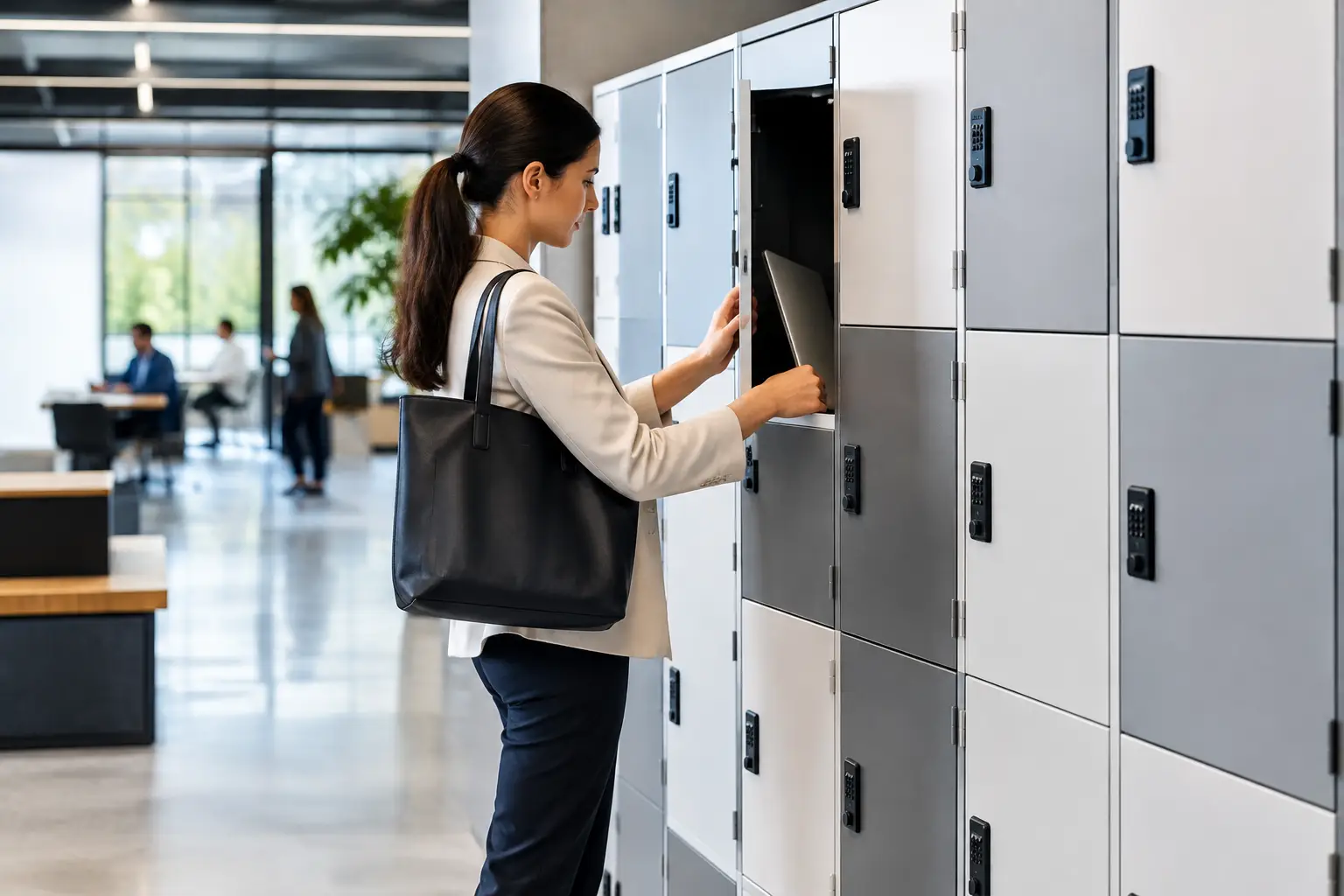
A locker room can become inefficient long before it appears full. Lost keys, doors left open, overcrowded changing areas, and damaged units all create daily work for facility teams. A properly specified multi door locker addresses those issues by giving more users secure personal storage within the same floor area, while keeping service and maintenance manageable.
For procurement managers and project planners, the product is not simply a cabinet with multiple compartments. It is part of the facility’s daily operating system. The right configuration supports shift changes, visitor flow, hygiene requirements, asset protection, and future expansion. The wrong one can create congestion, raise replacement costs, and force a layout change sooner than expected.
Where a Multi Door Locker Delivers the Most Value
Multi-compartment lockers are designed for locations where individual storage is needed but available wall space is limited. They are common in factories, warehouses, schools, gyms, offices, hospitals, public facilities, and staff changing rooms. Rather than allocating one full-height cabinet to each person, a single locker body can serve several users.
This density has a clear commercial benefit. A six-door or twelve-door arrangement can increase the number of available storage spaces without expanding the room footprint. That matters in projects where changing rooms, corridors, break areas, or reception zones must perform multiple functions.
The best door count depends on what users need to store. Small compartments work well for personal items, wallets, phones, documents, and light work gear. Full-height doors are more appropriate for uniforms, coats, helmets, bags, or PPE that must hang vertically. A mixed locker layout can be useful when a facility has different employee groups or combines day-use storage with longer-term allocation.
High density is not automatically the right choice. If each user carries bulky equipment, very small doors only shift the storage problem elsewhere. Planning should begin with the items being stored, not with the maximum number of doors that can fit into a cabinet.
Choosing the Right Multi Door Locker Configuration
A practical specification starts with user volume and usage pattern. A school may need a fixed locker for every student throughout the term. A logistics site with rotating shifts may need fewer compartments than employees because lockers are shared between shifts. A gym may require frequent short-term use and easy lock management, while an industrial site may need separate storage for clean clothing and workwear.
Match compartment size to the stored items
Ask users or department managers what goes into the locker at the busiest point of the day. This prevents a common purchasing error: selecting compact compartments based on headcount alone. A small door format may be ideal for a call center or visitor area, but unsuitable for a welding team carrying protective clothing and boots.
Internal features should follow the same logic. Coat hooks and hanging rails support uniforms and garments. Adjustable shelves suit bags, devices, or supplies. Ventilation openings are valuable where damp clothing, footwear, or PPE is stored. For sensitive items, consider a compartment size that allows equipment to be placed flat rather than forced inside.
Plan the room, not only the cabinet
Locker dimensions affect circulation. Door swing, aisle width, bench placement, and accessible reach all need consideration before an order is placed. A high-capacity locker bank can look efficient on a drawing but become difficult to use during shift changes if people cannot open doors and move past one another.
Wall-mounted units can free up floor space in suitable locations, while sloping tops can reduce dust collection in facilities with strict cleaning routines. Raised bases are useful where floors are washed regularly or where moisture protection is a concern. For changing rooms, benches should be positioned so they improve comfort without blocking locker access.
Select locking based on how lockers are assigned
The lock should reflect the management model. Key locks remain familiar and cost-effective for permanently assigned employee lockers, although keys require replacement and tracking. Padlock fittings give users control over their own locks, often making sense in gyms, schools, and short-term facilities.
Combination locks reduce key administration but need a clear reset process. Digital and RFID locking systems offer greater control over access, allocation, and temporary use, especially in larger sites. They also add cost and may require power, battery management, software, or staff training. The best option is the one the facility can operate consistently, not the most complex option on a specification sheet.
Construction Details That Affect Service Life
Commercial lockers experience repeated impacts, door cycles, and cleaning. Steel thickness, reinforcement, hinge design, welding quality, and powder coating all affect how well a locker performs over time. For high-use sites, industrial-grade metal construction is often the better long-term purchase because it holds alignment and resists damage under regular use.
Door stiffness deserves close attention. A door that flexes easily can affect lock engagement and create visible wear around the frame. Reinforced doors and dependable hinge systems help maintain alignment, especially where users open and close compartments several times a day.
Powder-coated finishes provide a durable surface for commercial interiors and can be specified in colors that support zoning, department identification, or a site’s interior standard. Light colors may make cleaning needs more visible, while darker finishes can better conceal scuffs in industrial environments. Neither is universally better. The right choice depends on cleaning practices, traffic level, and the appearance expected by the facility.
Ventilation should be specified as a functional requirement, not a decorative detail. Perforations or vents allow air movement for clothing and equipment, but they may not suit every security or privacy requirement. Where odor, moisture, or hygiene is a concern, ventilation, cleaning access, and locker allocation policies should work together.
Standard Products or Custom Manufacturing?
Standard locker sizes and door configurations are usually the fastest route for projects with common storage needs. They simplify comparison, support faster delivery, and make it easier to add matching units later. They are a strong fit when the available room, user items, and locking method follow established patterns.
Custom production becomes valuable when a standard cabinet creates compromises. This may include a restricted wall length, unusual ceiling height, a required compartment size, integrated seating, special colors, charging capability, or a need to match existing site furniture. It can also be appropriate where a project needs a combination of personal lockers, PPE storage, office cabinets, and shelving from one manufacturing source.
Customization should still be controlled. Every nonstandard change can affect cost, lead time, installation, and future replacement planning. The most effective approach is to customize only where the operational gain is clear. For example, increasing compartment depth for safety helmets may solve a real problem; changing a standard dimension by a small amount for appearance alone may not.
Loxmet supports both standard metal storage products and project-specific fabrication, allowing buyers to balance delivery speed with site requirements. This is particularly useful for distributors and commercial fit-out teams coordinating multiple product categories within one facility.
A Procurement Checklist Before You Order
Before finalizing a multi door locker order, confirm the number of users, whether lockers are assigned or shared, the largest items stored, the preferred locking method, and the space available for installation and circulation. Also define the expected cleaning method, any ventilation need, floor conditions, and whether the units will be relocated in the future.
For larger orders, request clear product information covering external dimensions, internal compartment dimensions, steel construction, finish, lock preparation, ventilation, base options, and assembly method. These details help avoid assumptions between the buyer, installer, and end user.
It is also wise to consider spare parts from the start. Replacement keys, locks, number plates, and adjustable components are small items, but having a service plan can prevent a minor failure from taking a compartment out of use for weeks. A long product warranty is valuable, yet daily care and straightforward access to service components matter just as much.
A multi door locker should make the working day easier: users know where their belongings belong, supervisors spend less time resolving access issues, and facilities retain a clean, organized appearance. Specify for real use, allow room for maintenance, and choose construction that can keep pace with the people using it.