


Highlights
How to Lock a Locker Safely in Shared Facilities

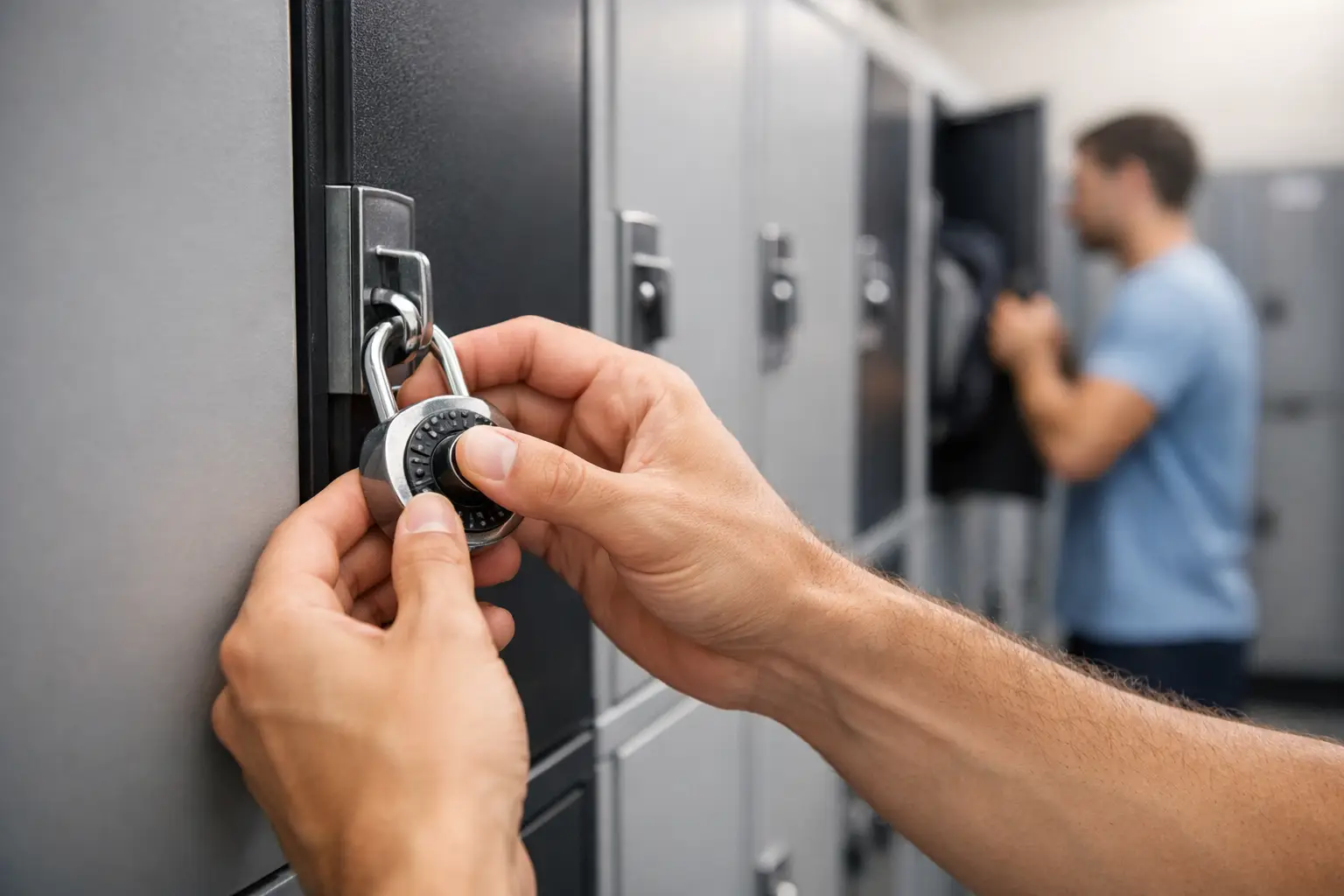
A locker that is closed but not properly secured creates an avoidable gap in workplace security. For facility teams asking, “how to lock a locker safely?”, the answer begins before the user turns a key or enters a code. The locker body, door alignment, lock type, access rules, and inspection routine must work together. This matters in employee changing rooms, schools, gyms, industrial sites, healthcare facilities, and offices where personal items, PPE, documents, or devices need controlled storage.
Start With a Locker Built for the Intended Lock
A lock is only as reliable as the surface and fixing points around it. Light-duty doors can flex under force, allowing a latch to disengage even when the lock itself remains intact. For commercial settings, specify steel lockers with reinforced doors, secure hinge construction, and a lock preparation designed for the selected mechanism.
Check how the locking point engages with the frame. A latch should enter the locker body fully when the door closes, without requiring the user to lift, push, or force the door into position. If the door is misaligned, users may assume it is locked when the latch has not properly engaged. This is a common issue in high-traffic locker rooms and can usually be corrected by adjusting the door, hinges, or leveling of the locker bank.
Match the Lock to the Operating Model
There is no single best lock for every facility. The right choice depends on who uses the lockers, how often occupants change, what is being stored, and who must regain access when a user leaves or forgets a credential.
Key locks suit assigned employee lockers and low-turnover environments where a supervisor can maintain a controlled key register. They are familiar, economical, and effective when key duplication is managed. Their limitation is administrative: lost keys, unreturned keys, and poorly documented master keys can weaken security.
Combination locks avoid physical keys and are useful for temporary or shared use. Mechanical combination options do not require batteries, but users may forget their codes. Digital keypad and RFID locks offer more control for larger facilities, especially where lockers are assigned by shift, day, or user credential. They require a clear plan for battery replacement, emergency access, and administrator permissions.
For lockers holding laptops, tablets, tools, or other higher-value assets, select a lock designed for that risk level and pair it with a locker construction that resists prying. If devices charge inside the locker, the electrical system must also be specified for safe charging operation. A strong lock does not compensate for unsuitable ventilation, cable management, or electrical protection.
How to Lock a Locker Safely: A Reliable Daily Routine
Safe locking should take only a few seconds, but each action has a purpose. Train employees, students, members, or visitors to use the same simple process every time.
- Place items fully inside the compartment. Bags, straps, clothing, and charging cables should not sit across the door opening. Obstructions can prevent the door from closing or place pressure on the latch.
- Close the door firmly without slamming it. Listen and feel for the latch engaging. Repeated slamming can damage hinges, loosen lock fixings, and gradually affect alignment.
- Operate the lock completely. Turn the key through its full travel, scramble a mechanical combination after closing, or confirm the digital lock has accepted the code or credential. Do not leave a key in the cylinder.
- Test the door once. Pull the handle or door edge lightly after locking. The door should remain secure without excessive movement. This check catches incomplete closure immediately.
- Keep access credentials separate from the locker. A key attached to a bag stored in the same locker does not provide meaningful protection. Codes should not be written on labels attached to the door or shared casually between users.
This routine is particularly useful for facilities with changing shifts. A brief posted instruction at the locker area can reduce preventable lockouts, unsecured doors, and maintenance calls without adding burden to staff.
Control Keys, Codes, and Administrator Access
Security is often lost through poor access management rather than lock failure. Every key lock system should have a documented issue process. Record which key number is assigned to each locker, who holds it, when it was issued, and when it was returned. Master keys need stricter control than user keys because they can open multiple compartments.
Keep master keys in a restricted location and limit access to authorized facility personnel. Avoid leaving them in general office drawers, reception areas, or openly accessible maintenance spaces. If a master key is lost, assess the number of lockers affected and consider rekeying cylinders rather than accepting an ongoing risk.
For electronic lockers, assign administrator roles carefully. The person who manages user enrollment should not automatically have unrestricted authority to change audit settings, delete access records, or override every compartment. Larger sites benefit from separating everyday support access from higher-level system administration.
Codes need similar discipline. Where users choose their own code, establish minimum rules, such as avoiding obvious personal numbers. Where a facility issues PINs, change default administrator codes before the lockers enter service. When an employee leaves, a contractor completes work, or a locker is reassigned, reset the credential before the next user receives access.
Consider What the Locker Is Protecting
The locking method should reflect the contents and the operational environment. Personal belongings in a staff changing room may need a straightforward keyed or combination lock. PPE lockers may require easy individual access while still preventing unauthorized use or removal of issued equipment. Office cabinets storing sensitive files may require tighter key control or access logging.
Chemical storage is different. A lock can restrict access, but it does not make an ordinary locker suitable for hazardous materials. Chemical cabinets must be selected for the substances stored, applicable safety requirements, ventilation needs, and fire-risk considerations. Similarly, a lockable charging locker must be engineered for device charging rather than adapted from a standard storage compartment.
Think about user behavior as well. In a gym or school, many users may be unfamiliar with the locking system and use lockers only briefly. Simple operation and clear instructions may provide better real-world security than a complex lock that users frequently leave unsecured. In a controlled industrial environment, assigned lockers and managed keys may be the more practical choice.
Inspect Lockers Before Small Faults Become Security Issues
A scheduled inspection protects the locker investment and reduces disruption for users. In busy environments, facility staff should check doors, hinges, locks, and frames at regular intervals. The frequency depends on traffic, but lockers used across multiple shifts need more attention than lockers in a low-use office area.
Look for loose lock nuts, bent latch parts, missing fasteners, worn keys, damaged keypad covers, sticking cylinders, and doors that no longer sit square in the frame. A lock that requires excessive force is not a minor inconvenience. Users may force the mechanism, bend the key, or stop locking the door altogether.
Cleaning also affects performance. Dust, residue, and moisture can build up around moving parts, especially in industrial or changing-room settings. Use cleaning methods appropriate for the locker finish and lock manufacturer guidance. Do not apply unsuitable lubricants to electronic locks or spray products into keypad openings.
When a lock fails, avoid improvised forced entry unless there is a documented emergency reason and authorized personnel are involved. Forced opening can damage the door, frame, and neighboring compartments, increasing repair costs. Maintain a defined procedure for verified access requests, lost credentials, and emergency overrides.
Specify Safety Into the Locker Project
For procurement teams, safe locking should be part of the locker specification rather than a late accessory decision. Define the user group, expected occupancy, contents, credential method, override process, and maintenance responsibility before ordering. Also confirm whether lockers will be floor-fixed, wall-fixed, or installed in banks, since stable installation helps preserve door alignment over time.
Custom configurations can be valuable where standard compartments do not match the workflow. For example, a manufacturing site may need reinforced lockers for workwear and PPE, while an office project may need compact personal storage with RFID access. Loxmet supports commercial locker projects with durable metal construction and configurable solutions suited to operating requirements.
A safe locker system is not defined by the lock alone. When the compartment is properly built, the lock fits the use case, credentials are controlled, and users perform a quick closure check, security becomes a dependable part of the daily routine rather than a recurring facility problem.