


Highlights
How to Clean a Dirty Locker Properly

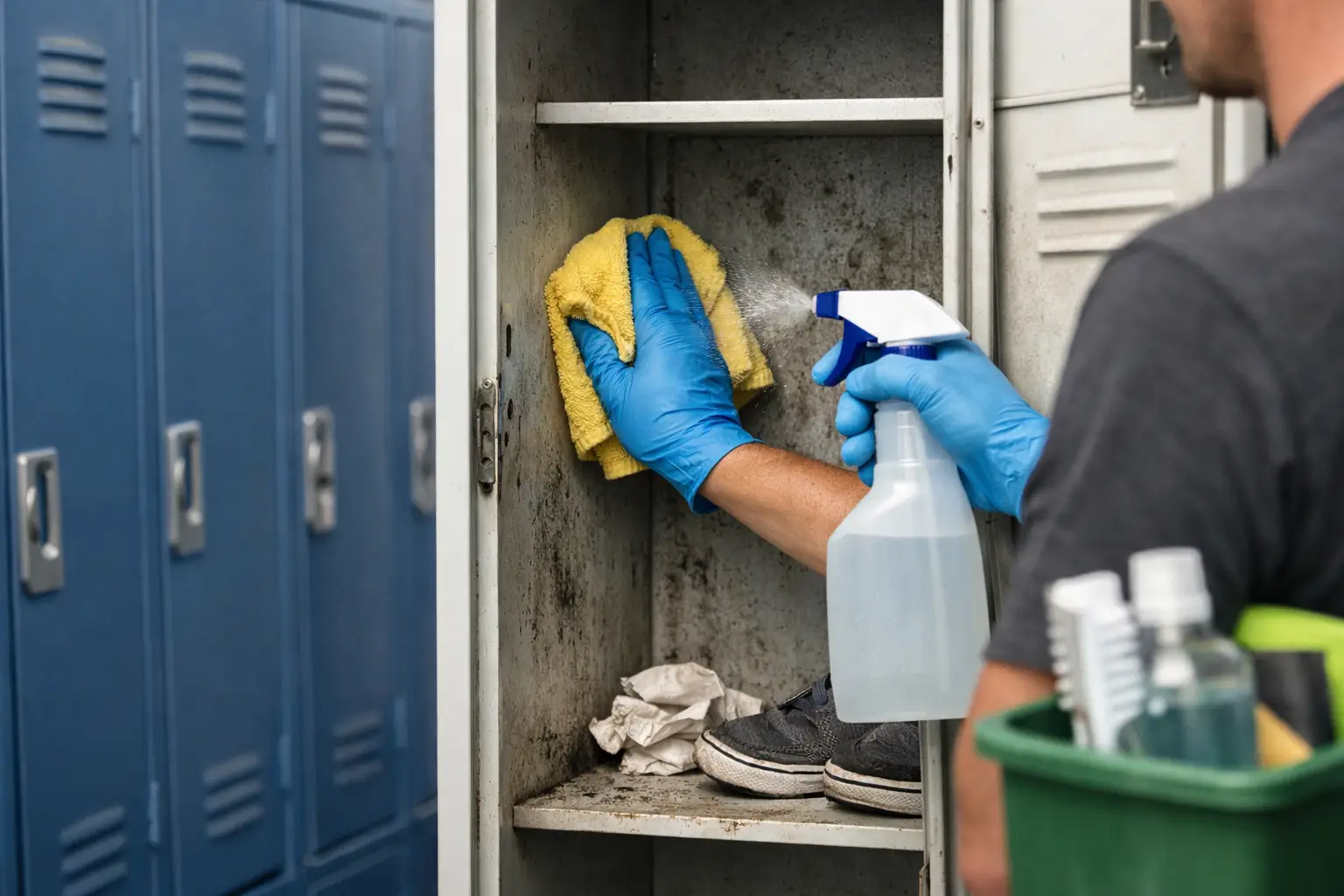
A dirty locker usually becomes a maintenance issue long before it becomes a replacement issue. In workplaces, schools, gyms, and industrial sites, lockers collect dust, moisture, spills, and daily wear in ways that are easy to ignore until odor, corrosion, or hygiene complaints start affecting operations. Cleaning them properly is less about appearance and more about extending service life, supporting hygiene standards, and keeping storage usable for the people who depend on it.
For business buyers and facility teams, the real question is not whether a locker can be cleaned. It is how to clean it without damaging finishes, missing problem areas, or creating a repeat problem a few weeks later. The right method depends on the locker material, the environment, and what caused the buildup in the first place.
Why a clean dirty locker needs more than a quick wipe
Many lockers look manageable from the outside while the interior tells a different story. Dust settles into corners and vents. Damp clothing creates odor. Food residue leaves stains and attracts pests. In industrial settings, grease, fine particles, or PPE-related residue can build up faster than general janitorial routines can handle.
A quick wipe may improve the surface appearance, but it often leaves behind the source of the problem. That matters because moisture trapped under debris can accelerate finish breakdown. Harsh chemicals used without checking compatibility can also shorten the life of painted metal surfaces. The result is a locker that looks clean for a day but deteriorates faster over time.
A practical cleaning approach should do three things at once. It should remove visible dirt, address hygiene and odor at the source, and protect the locker finish so the unit stays in service longer.
Start with the locker type and environment
Not every cleaning routine should be identical. A staff locker in an office break area needs a different approach than a PPE locker on a factory floor or a changing room locker in a fitness facility. That difference affects cleaning frequency, product choice, and the level of disinfection required.
Powder-coated metal lockers are generally straightforward to maintain, but they still need care. Abrasive pads, overly aggressive solvents, and excessive water can all create avoidable problems. If lockers include perforations, vents, sloping tops, benches, or compartment dividers, those features also affect how dirt accumulates and how long cleaning takes.
This is where procurement decisions matter. Lockers designed for commercial use are easier to clean consistently because they have durable finishes, stable construction, and layouts that support routine maintenance. In high-traffic environments, that is not a minor detail. It directly affects labor time and product lifespan.
How to clean dirty locker surfaces step by step
The safest method starts simple. Empty the locker completely. Remove loose debris first with a dry cloth or vacuum so dust and particles do not turn into muddy residue once liquid is added. Pay attention to shelf corners, door edges, hinges, and ventilation openings.
Next, clean the surfaces with a soft cloth or sponge and a mild detergent diluted in warm water. For most powder-coated metal lockers, this is enough for routine grime, fingerprints, and light residue. Wipe all interior and exterior panels, then go back over the area with a clean damp cloth to remove soap residue.
Drying matters more than many teams expect. Water left around seams, base edges, and door frames can contribute to odor and long-term finish damage. Use a dry cloth to remove remaining moisture, and leave the locker door open until the unit is fully dry.
If the buildup includes sticky residue or heavier soil, test a stronger cleaner on a small hidden area first. This helps avoid finish discoloration. In most cases, the better option is repeating a mild cleaning cycle rather than using an aggressive product once.
Odor, mold, and moisture need a separate response
A locker can look clean and still smell bad. That usually points to moisture retention, poor airflow, or residue left in corners and seams. In employee changing areas, sports facilities, and humid climates, this is common.
When odor is the main issue, cleaning should be paired with drying and ventilation. Remove any absorbent contents, clean all contact surfaces, and allow the compartment to air out fully before it goes back into use. If mold or mildew is visible, isolate the affected locker and use an appropriate disinfecting process that matches your site hygiene policy and surface compatibility requirements.
The trade-off is straightforward. Stronger disinfection may be necessary in some settings, but repeated use of unsuitable chemicals can damage coatings. Facility managers should align cleaning products with both hygiene standards and locker material specifications. That is especially relevant in healthcare, education, food-related workplaces, and PPE storage areas.
Common mistakes when cleaning a dirty locker
The most common mistake is using too much water. Metal lockers are durable, but they are not designed to stay wet inside seams and enclosed joints. Saturating the interior may seem efficient, yet it increases the chance of trapped moisture.
Another mistake is using abrasive brushes or pads to remove marks quickly. This may scratch the finish and make the surface harder to clean later. Once the protective coating is compromised, dirt can cling more easily and corrosion risk may increase.
Teams also tend to ignore the hardware. Handles, locks, hinges, and door frames collect heavy touchpoint contamination. These areas should be cleaned carefully during every full locker service, especially in shared-use environments.
Finally, many sites clean reactively instead of on a schedule. That approach usually costs more in labor because heavily soiled lockers take longer to restore. A simple planned routine is more efficient than repeated deep cleaning under pressure.
Set a cleaning schedule based on use, not guesswork
The best cleaning interval depends on how the locker is used. An office locker with light personal storage may only need periodic interior cleaning plus routine exterior wipe-downs. A gym locker, school locker, or industrial changing room locker may need much more frequent attention.
Rather than applying one standard across an entire facility, group lockers by environment. High-humidity zones, shared-user areas, and contamination-prone departments should be serviced more often. Low-use administrative areas can follow a lighter schedule. This saves maintenance time while keeping standards consistent where they matter most.
If users are assigned permanent lockers, it also helps to define responsibility. Daily housekeeping may cover exterior touchpoints, while periodic internal cleaning can be scheduled during inspections, department resets, or occupancy changes. Clear ownership reduces neglect.
Cleaning is easier when the locker is built for long-term use
There is a direct connection between product quality and maintenance effort. Thin materials, weak finishes, and poorly designed interiors are harder to keep clean and harder to keep in service. By contrast, commercial-grade metal lockers with durable coatings and practical internal layouts support faster cleaning and better long-term hygiene control.
That is one reason institutional buyers often standardize around industrial-grade units rather than low-spec alternatives. The purchase price is only one part of the calculation. Cleaning time, repair frequency, and replacement cycles matter just as much over the life of the product.
For project buyers, this should be part of the specification process. If lockers will be installed in a wet area, heavy-duty workplace, school, or high-turnover facility, ask how the finish performs under repeated cleaning. Ask whether the configuration creates dust traps or cleaning obstacles. A locker that saves minutes on every cleaning cycle can save substantial cost across a large installation.
Manufacturers such as Loxmet focus on this practical side of locker performance because commercial buyers do not just purchase storage capacity. They purchase durability, maintainability, and predictable service life.
When cleaning is not enough
Sometimes the issue is no longer dirt. Deep rust, structural damage, persistent odor from long-term contamination, or finish failure may indicate that the locker has reached the end of its useful life or was never suitable for the environment in the first place.
At that stage, continued cleaning may only delay a more practical decision. Replacement becomes the better option when hygiene cannot be restored reliably, when corrosion affects safety, or when maintenance time is disproportionate to the value of keeping the unit. For facilities managing multiple lockers, replacing the wrong product with the same specification simply repeats the problem.
A better approach is to review usage conditions, cleaning frequency, ventilation, and material demands before selecting the next locker range. In many cases, the most cost-effective answer is not more cleaning. It is a better locker designed for the environment.
A clean locker supports hygiene, appearance, and daily operations. A locker that stays clean with less effort supports the business even better.