


Highlights
Gym Lockers That Stand Up to Daily Facility Use

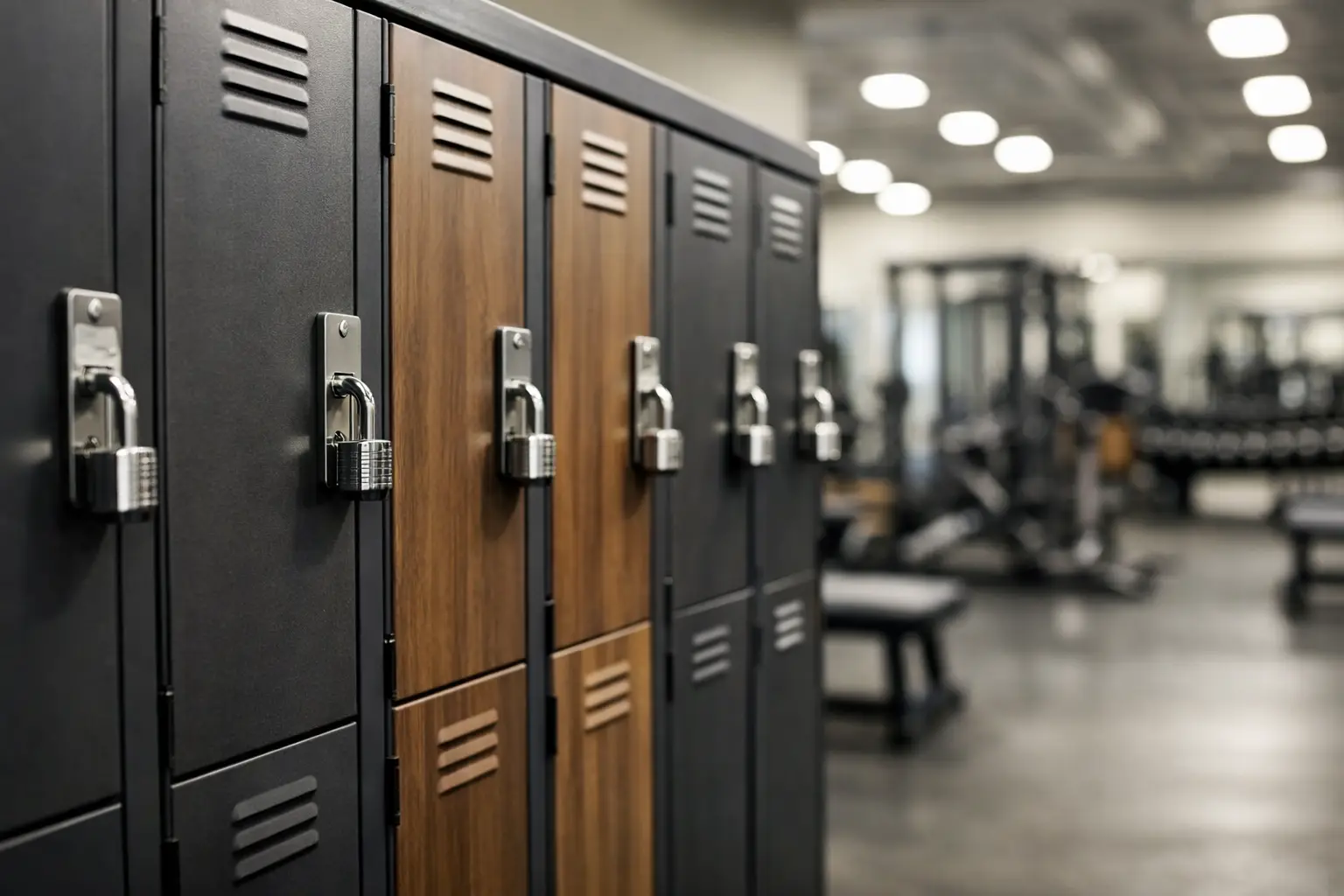
A busy locker room exposes weak storage quickly. Doors are opened hundreds of times a day, damp clothing is stored after workouts, and members expect their belongings to remain secure. Gym lockers must handle this routine without loose hinges, damaged finishes, unreliable locks, or wasted floor space.
For gym operators, school athletic departments, recreation centers, corporate wellness rooms, and fitness franchises, locker selection is an operational decision. The right system supports member experience, reduces maintenance calls, and gives the facility a clean, organized appearance for years of use.
What Gym Lockers Need to Handle
Locker rooms are demanding environments. High turnover means users may not treat every door, latch, or lock with care. Humidity, cleaning products, wet towels, and gym bags add further pressure on the material and finish. A locker that works in a low-traffic office may not be appropriate for a commercial fitness facility.
Metal construction is often the practical choice where durability, security, and long service life are priorities. Steel locker bodies resist impact better than many lightweight alternatives and provide a stable structure for doors, shelves, locks, and ventilation openings. The value is not only in the sheet metal itself. Reinforced doors, dependable hinges, formed edges, and a durable powder-coated finish determine how well a locker performs over time.
Ventilation also matters. Gym users commonly store shoes, towels, workout clothing, and personal items after exercise. Ventilated doors or body panels help promote airflow and reduce trapped moisture and odor. Ventilation is not a substitute for regular cleaning, but it supports a more hygienic locker room and protects stored contents from a persistently damp environment.
Select the Right Locker Configuration
The best configuration depends on how long users need storage, what they carry, and how much floor area is available. A facility offering short workout sessions may prioritize high-density lockers for wallets, phones, keys, and small bags. A sports club with changing rooms may need full-height compartments for coats, uniforms, helmets, and larger equipment bags.
Single-tier lockers provide maximum vertical space and are suitable for long garments or bulky items. Two-tier and three-tier lockers create more user compartments within the same wall length, making them a strong option for general member use. Multi-tier units are useful for short-term storage, but each compartment should still be large enough for the items users reasonably bring into the facility.
Do not select compartment quantity based on headcount alone. Consider peak attendance, shift overlap, locker turnover, and whether lockers are assigned or shared. A gym with 500 members does not necessarily need 500 lockers, while a school fitness room with scheduled classes may require enough compartments for an entire group at once. Planning for the real demand pattern prevents both overcrowding and unnecessary capital expense.
Full-Height, Multi-Tier, or Mixed Layouts
Many facilities benefit from a mixed locker layout rather than one uniform bank. Full-height lockers can serve staff, premium members, or athletes who need space for changing clothes and equipment. Smaller compartments can serve day visitors and users storing valuables during a workout.
This approach also improves space utilization. Place compact lockers in high-turnover zones close to the training floor, while larger lockers belong in changing areas where users need room to prepare before and after activity. If the facility serves different audiences, clear zoning reduces confusion and makes the locker room easier to manage.
Choose Locks for the Operating Model
A durable locker is only as effective as its locking method. The right choice depends on whether lockers are assigned, rented, or available for temporary daily use. It also depends on how much control the facility needs over lost keys, forgotten codes, and access administration.
Padlock hasps are simple and cost-effective when users bring their own padlocks. They work well for short-term use and require minimal management, but they place responsibility on the user. Coin-operated or token locks can support rental income or controlled temporary access, although they add mechanical components that need periodic service.
For managed facilities, key locks, combination locks, RFID locks, and digital locks can provide a more controlled system. Digital options may be appropriate for premium clubs, corporate wellness centers, or sites that want flexible access settings. They can simplify reassignment and reduce the issue of physical key distribution, but they require a clear process for battery management, user support, and emergency override.
Before choosing a lock, establish who administers it. Staff should have an approved procedure for opening a locker when a member forgets a code, loses a key, or leaves belongings after closing. Emergency access must be secure, documented, and limited to authorized personnel.
Build for Cleaning, Moisture, and Daily Wear
Locker rooms need frequent cleaning, so details that seem minor at purchase become significant in service. Smooth surfaces, protected edges, and quality powder coating make routine cleaning easier. A finish should resist scratches, moisture, and common cleaning agents when used according to their instructions.
Raised locker bases, plinths, or suitable legs can help cleaning teams reach the floor beneath the units. In wet areas, the installation should also account for drainage, wall conditions, and airflow. A poorly planned layout can leave inaccessible areas where moisture and debris collect.
Door design deserves close attention. Doors should close consistently and align properly after repeated use. Reinforced construction helps prevent bending and limits the damage caused by accidental impact. Hinges should be selected for commercial use, not occasional domestic traffic. If lockers will be placed in an unsupervised or high-use environment, invest in the components most likely to face misuse: doors, frames, locking points, and hinges.
Plan the Locker Room Layout Before Ordering
Locker dimensions are only one part of the planning process. The room must provide enough circulation for people to change, open doors, access benches, and move around without creating bottlenecks. A row of lockers may fit on a drawing but still create an uncomfortable room if opposing doors block the aisle when open.
Start with the room dimensions and identify fixed elements such as showers, toilets, sinks, columns, mechanical access points, and emergency exits. Then plan the locker banks, bench positions, and circulation routes around them. Benches are particularly useful in changing rooms, but their placement should not compromise access to lockers.
Wall-mounted or nested locker arrangements can improve use of limited space, while freestanding island layouts may suit larger rooms. For projects with unusual dimensions, custom metal fabrication can be more practical than forcing standard modules into an inefficient plan. Custom widths, compartment sizes, door configurations, colors, and lock preparations can help a facility achieve a cleaner fit without sacrificing durability.
Specify for Long-Term Procurement Value
The lowest initial price does not always create the lowest long-term cost. Replacing damaged doors, changing failed locks, repainting corroded surfaces, and responding to member complaints can quickly outweigh a modest saving at the start of a project.
Procurement teams should request clear information on steel construction, finish type, door reinforcement, lock compatibility, ventilation, assembly method, and warranty coverage. For multi-site operators and distributors, consistency is equally important. Standardized locker specifications make future expansions easier and create a consistent user experience across locations.
It is also worth considering delivery requirements early. Confirm whether lockers arrive assembled or require installation, how they will enter the building, and whether units need to be anchored. Large banks may require phased delivery to avoid disrupting an active facility. Manufacturers with both standard product capacity and custom production options can support this balance between speed and project-specific requirements.
Loxmet manufactures heavy-duty metal storage solutions for commercial projects where dependable construction, configurable layouts, and repeatable supply matter. For buyers, the most useful specification is the one that matches actual usage rather than an idealized locker room drawing.
A Better Locker Room Starts With Real Use Patterns
The strongest gym lockers are not simply the heaviest units or the ones with the most features. They are the lockers sized for the users, equipped with locks the staff can manage, finished for the conditions of the room, and arranged so people can move through the space comfortably.
Start with peak usage, identify the belongings users need to store, and plan for cleaning and maintenance from day one. That approach produces a locker room that stays secure, orderly, and ready for the next busy shift.